India Meat & Dietary Taboo Checker
Traveler's Checklist
Select a region and a food item to check its status.
Status Report
Select options and click Check Status
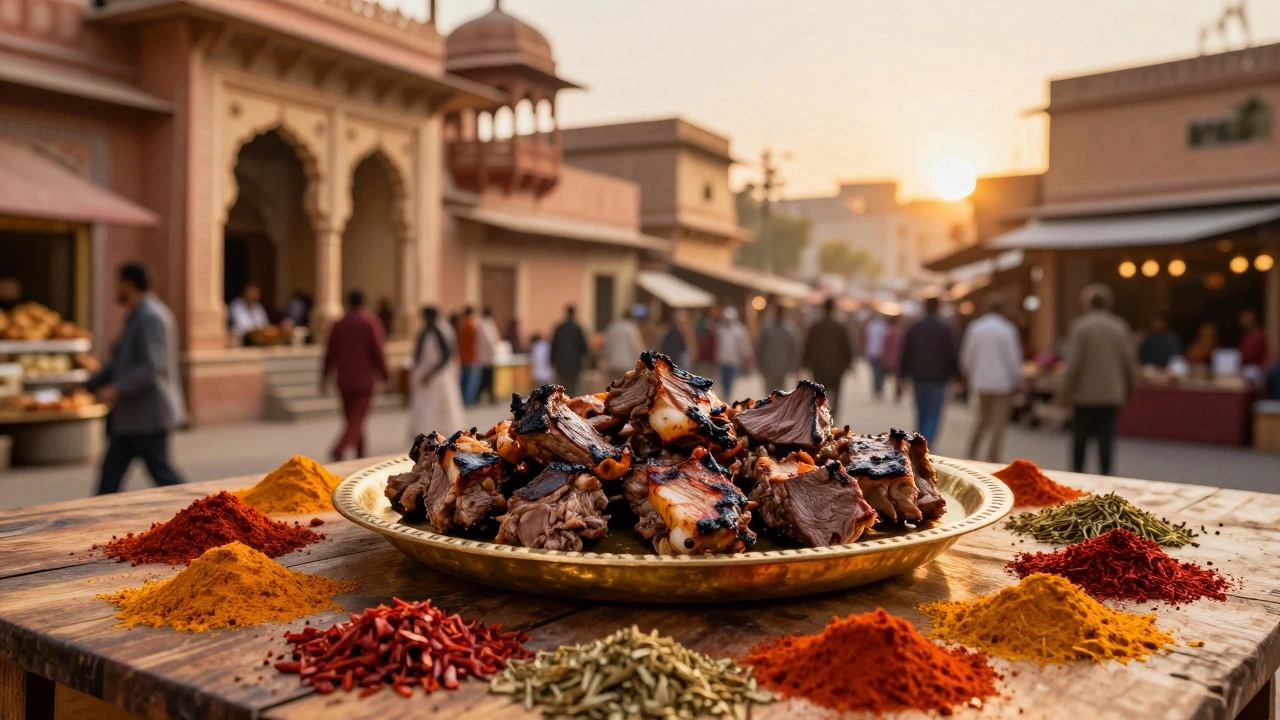
Imagine sitting down for a lavish feast in Rajasthan. The aroma of spices fills the air, and the host proudly presents a sizzling platter of succulent beef. Before you take a bite, remember this: in much of India, that meal isn't just unappetizing-it's offensive. In fact, it could get you arrested.
India is not a monolith when it comes to food. It is a tapestry of religions, castes, and regional histories, each with its own strict rules about what lands on the plate. For travelers, understanding these boundaries is less about culinary preference and more about cultural survival. You don’t need to become a vegetarian to visit India, but you do need to know which meats are off-limits where, and why.
The Sacred Cow: Why Beef Is Off-Limits
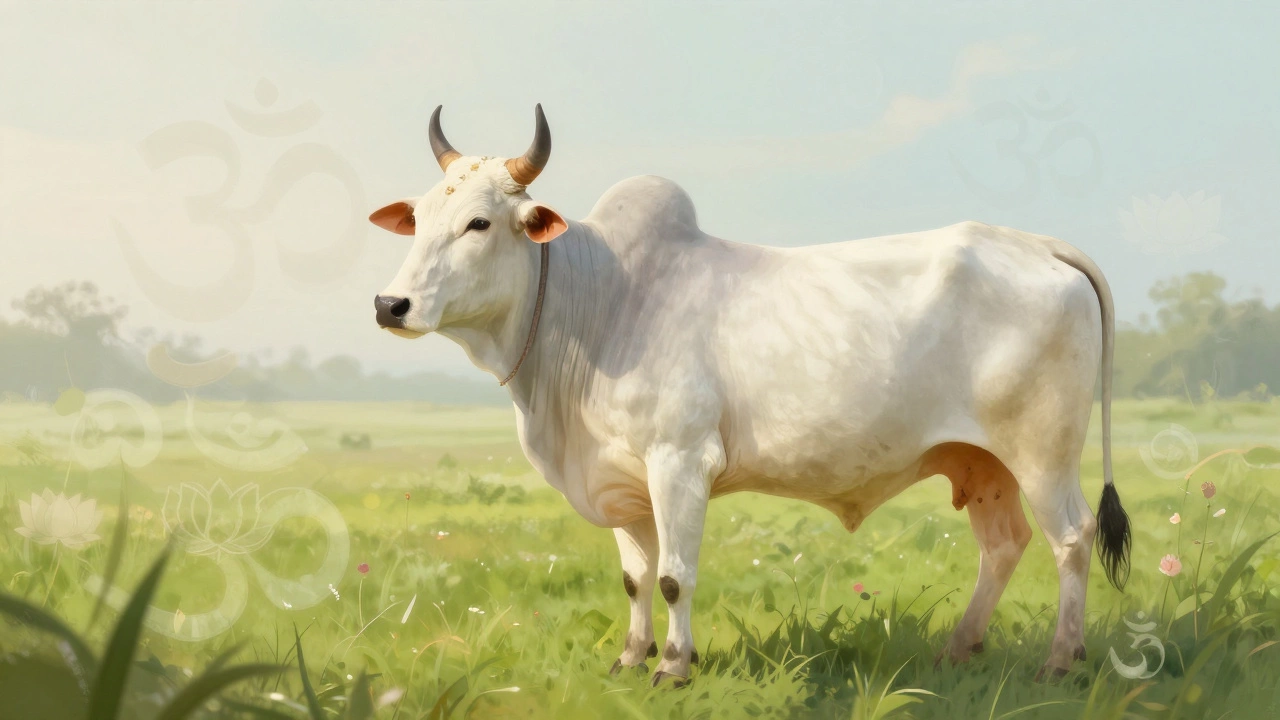
If there is one universal rule in Indian dining, it is this: avoid beef. For the majority of Indians, particularly Hindus, the cow is sacred. It represents non-violence, motherhood, and selfless giving. Killing a cow is seen as a grave sin. This belief translates into law across many states. In places like Uttar Pradesh, Madhya Pradesh, and Gujarat, slaughtering cows or selling beef is illegal. Penalties can range from heavy fines to years in prison.
| Region | Status of Beef Consumption | Legal Context |
|---|---|---|
| North & Central India | Strictly Prohibited | Ban enforced; social stigma high |
| West Bengal & Kerala | Available | No statewide ban; consumed locally |
| Maharashtra | Restricted | Cow slaughter banned; buffalo meat allowed |
However, context matters. In West Bengal, Kerala, and parts of Goa, beef is eaten regularly. Here, the population includes significant Muslim and Christian communities, as well as tribal groups who do not share the Hindu reverence for the cow. If you are traveling to Kolkata or Kochi, you might find excellent beef curries. But step into Varanasi or Delhi, and ordering beef is not just rare-it’s socially dangerous. Always check local customs before asking for "mutton" (which usually means goat) or risking confusion with beef.
Pork and Religious Boundaries
While beef is the most visible taboo, pork has its own complex map. Pork is generally avoided by Muslims and Jews due to religious prohibitions found in the Quran and Torah. Since Muslims make up about 14% of India’s population, you will find "Halal" certified restaurants everywhere that strictly exclude pork.
Conversely, pork is quite popular among Christians in Kerala and Goa, and among certain tribal communities in Northeast India. In cities like Mumbai or Bangalore, you’ll find Chinese-Indian fusion dishes featuring pork belly or char siu without issue. However, if you are eating at a traditional Hindu household or a temple-affiliated canteen, pork will likely be absent. The key takeaway? Pork isn’t universally banned, but it is highly segmented by community. When in doubt, stick to chicken or fish unless you know the specific demographic of your host.
The Vegetarian Majority: More Than Just a Diet
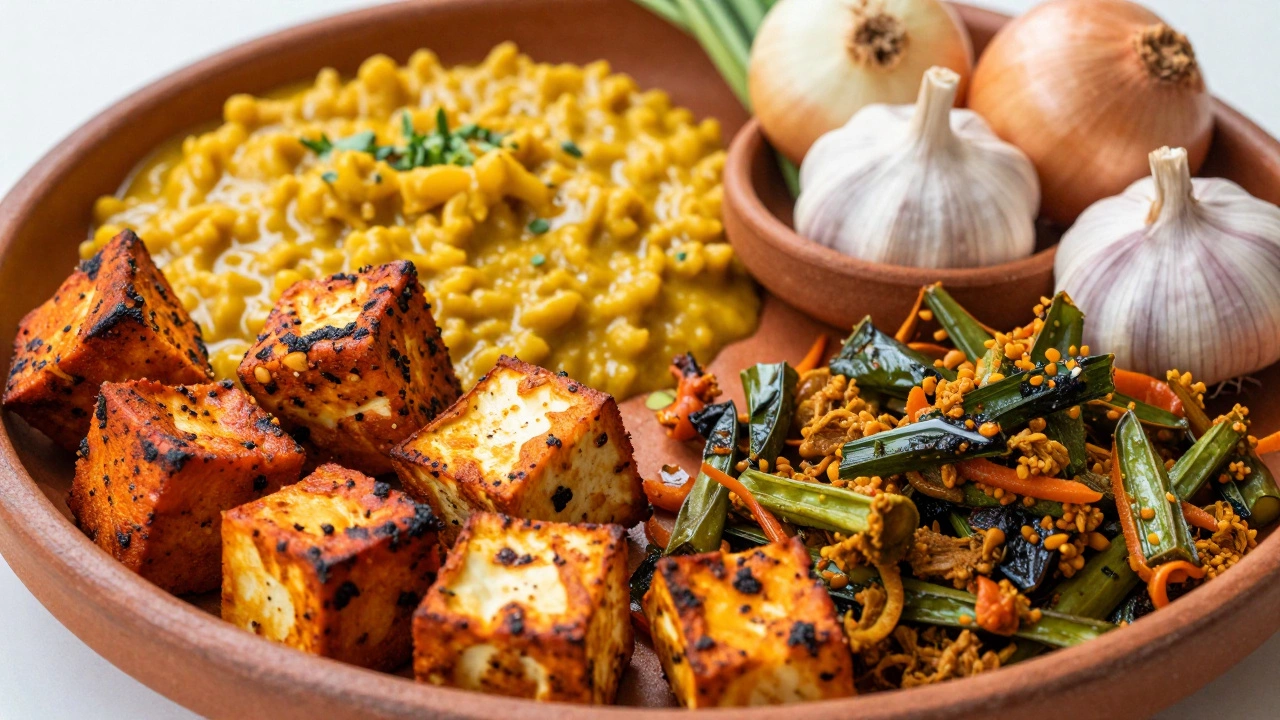
About 30-40% of Indians are vegetarian. Unlike in the West, where vegetarianism is often a lifestyle choice based on health or ethics, in India, it is deeply tied to religion and caste. Jains, a small but influential religious group, take non-violence to the extreme. They avoid all meat, eggs, and even root vegetables like onions and garlic because pulling them up kills microorganisms and damages the plant.
If you are visiting during festivals like Navratri or Mahashivaratri, expect entire cities to go vegetarian. Restaurants may stop serving meat temporarily out of respect for the observance. As a traveler, embracing vegetarianism is the safest route. Indian vegetarian cuisine is incredibly diverse-think paneer tikka, dal makhani, and bhindi masala. You won’t feel deprived; you’ll likely discover flavors you never knew existed.
Regional Variations: North vs. South vs. East
India’s geography dictates its diet. In the arid North, dairy and wheat dominate. Meat consumption is lower, and when it happens, it’s mostly goat or lamb. In the humid South and East, rice and seafood reign supreme. Fish curry is a staple in coastal Andhra Pradesh and Odisha. Chicken is widely accepted across all regions, making it the safest meat option for tourists.
In the Northeast, bordering Myanmar and China, diets resemble those of Southeast Asia. Pork, bamboo shoots, and fermented meats are common here. Tribal communities in states like Nagaland and Meghalaya have little hesitation about consuming pork or dog meat (though the latter is controversial and declining). These regions operate outside the mainstream Hindu-Muslim dietary framework entirely.
Travel Tips for Navigating Indian Menus
- Ask clearly: "Mutton" in India almost always means goat. If you want lamb, specify. If you want beef, ask carefully-and only in permissible regions.
- Look for symbols: Many restaurants display green dots (vegetarian) or brown triangles (non-vegetarian). Green dot means no animal flesh whatsoever.
- Respect temple zones: Areas around major temples are often strictly vegetarian. Bringing non-veg food into these spaces is disrespectful and sometimes illegal.
- Street food caution: While delicious, street vendors rarely disclose ingredients. Stick to visibly vegetarian stalls if you’re unsure.
Understanding what meat is not eaten in India isn’t about restriction-it’s about connection. By respecting these boundaries, you show humility and awareness. Locals appreciate foreigners who make an effort to navigate their cultural nuances. You might start your trip avoiding beef out of fear, but end it sharing a plate of spicy goat curry with new friends, knowing exactly why that meal matters.
Is beef completely illegal in India?
No, beef is not illegal nationwide. It is banned in several states like Gujarat, Maharashtra, and Uttar Pradesh, but legal in others like West Bengal, Kerala, and Goa. Always check local laws before ordering.
Can I eat pork in India?
Yes, pork is available in many parts of India, especially in Christian-majority areas like Kerala and Goa, and in Northeastern states. However, it is avoided by Muslims and many Hindus, so it may not be on every menu.
What is the safest meat to eat as a tourist?
Chicken is the safest and most widely accepted meat across India. Goat (often called mutton) is also common, except in strictly vegetarian or Jain households. Avoid beef unless you are in a region where it is culturally and legally accepted.
Why do some Indians avoid onions and garlic?
Jains and some devout Hindus avoid onions and garlic because they are considered tamasic (promoting lethargy or passion) and because harvesting root vegetables kills organisms. This is known as 'satvik' diet.
Is it rude to ask for meat in a vegetarian restaurant?
Yes, it can be seen as disrespectful. Many vegetarian restaurants in India are strictly plant-based due to religious or ethical reasons. Always look for the green dot symbol indicating pure vegetarian food.