India Travel Route Planner
Don't try to see everything. Tell us your constraints, and we'll suggest the perfect route.
Most first-time visitors to India make the same mistake: they try to see everything. They book a three-week trip, land in Delhi, rush to Agra, then panic about Kerala backwaters while still jet-lagged from the flight. The result? Exhaustion and a blurry memory of crowds. If you are asking where tourists should go, the honest answer is that it depends on what kind of traveler you are. But if you want the classic, high-impact experience that defines India for most Westerners, you need to look north.
Why north? Because it holds the heavy hitters. The Taj Mahal isn’t just a building; it’s an emotional trigger. The forts of Rajasthan aren’t just ruins; they are living museums of royal excess. And the ghats of Varanasi offer a glimpse into life and death that you simply don’t get elsewhere. This guide cuts through the noise to tell you exactly where to go, how to move between these spots, and what to expect when you arrive.
The Golden Triangle: Your Essential Starter Pack
If you have less than ten days, do not leave the Golden Triangle. This route connects three cities: Delhi, Agra, and Jaipur. It forms a literal triangle on the map, roughly 200-300 kilometers apart, making it incredibly easy to navigate by train or private car.
| City | Primary Attraction | Travel Time from Previous Stop | Best For |
|---|---|---|---|
| Delhi | Red Fort, Humayun’s Tomb | N/A (Start) | History, Food, Chaos |
| Agra | Taj Mahal, Agra Fort | 3 hours by Gatimaan Express | Romance, Architecture |
| Jaipur | Amber Fort, Hawa Mahal | 4 hours by road/train | Royalty, Shopping, Culture |
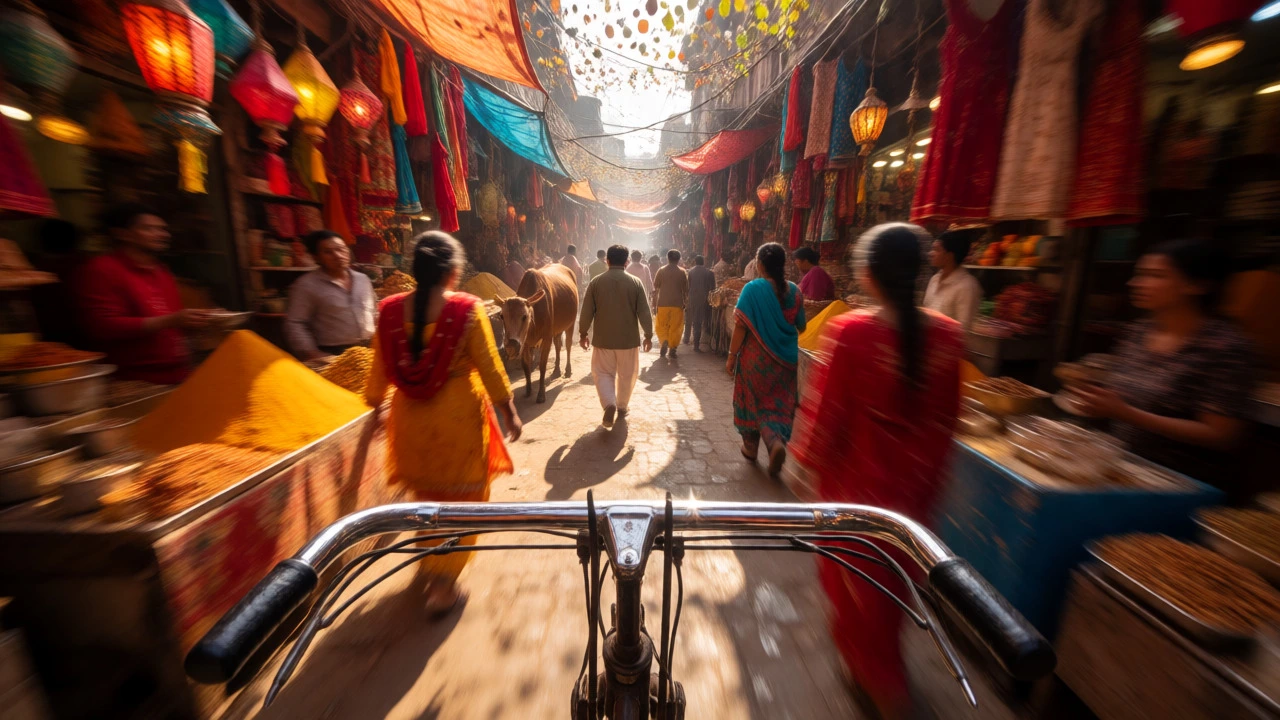
Start in Delhi. Yes, it’s chaotic. The traffic is aggressive, the air quality can be poor in winter, and the noise is constant. But stay in South Delhi or near Connaught Place for better infrastructure. Visit the Red Fort early in the morning before the tour buses descend. Then, head to Old Delhi to ride a cycle rickshaw through Chandni Chowk. It’s sensory overload, but it’s authentic. Do not skip Jantar Mantar, the ancient astronomical observatory. It’s free, quiet, and fascinatingly complex.
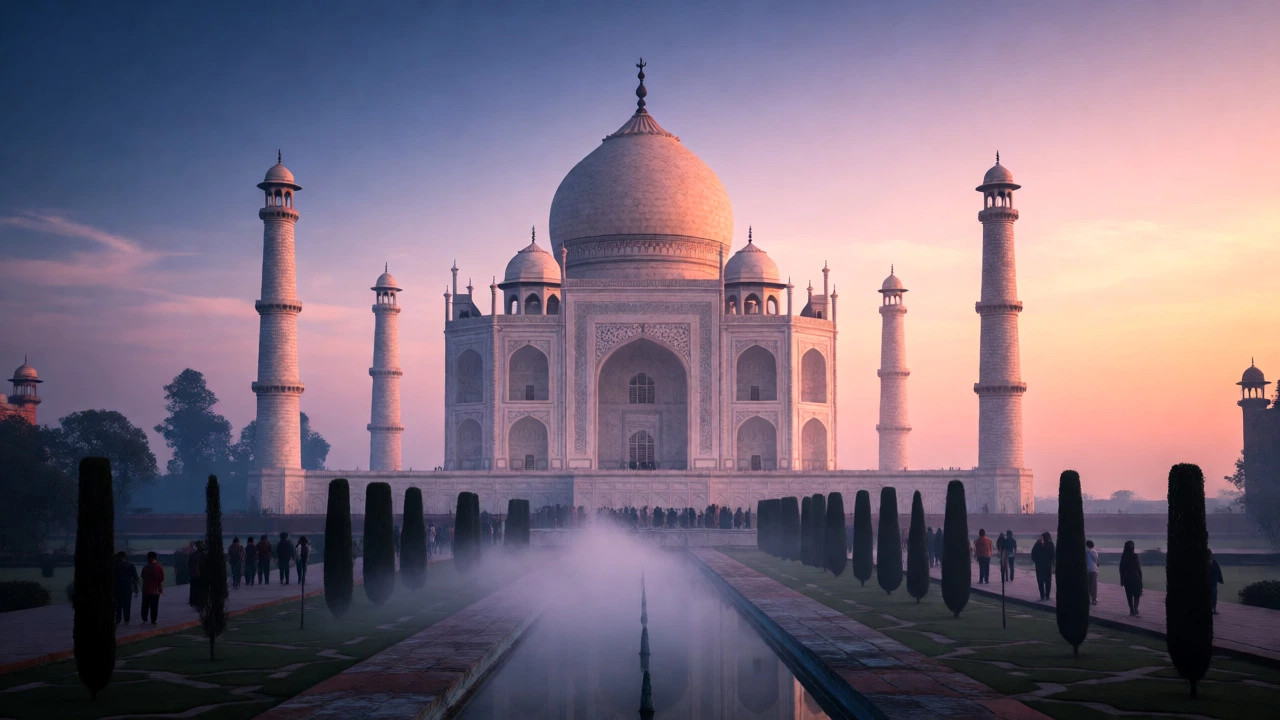
Next, take the Gatimaan Express to Agra. It’s India’s fastest train, clocking in at 160 km/h. You’ll be there in under two hours. Why go to Agra? For the Taj Mahal. No photo prepares you for its scale. The white marble shifts color with the sun-pinkish at dawn, milky white at noon, golden at dusk. Go at sunrise. Not only is the light perfect for photos, but the temperature is manageable, and the crowds are thinner. Afterward, visit Agra Fort, which offers stunning views of the Taj across the river. It’s also where Shah Jahan was imprisoned by his son, adding a layer of tragic history to the view.
Finish in Jaipur, the Pink City. The name comes from the terracotta-colored buildings painted in 1876 to welcome Prince Albert. Today, it’s a hub of Rajputana culture. Amber Fort is non-negotiable. It sits atop a hill, accessible by jeep (skip the elephants; animal welfare concerns are valid here). Inside, the mirror work in the Sheesh Mahal is dazzling. In the city center, Hawa Mahal looks like a honeycomb from the street. Walk around the bazaars for block-printed textiles and blue pottery. Jaipur is more relaxed than Delhi and more colorful than Agra.
Beyond the Triangle: The Spiritual Heartbeat
If you have time, extend your trip to Varanasi. Located in Uttar Pradesh, about 12 hours by train from Agra, it’s one of the oldest continuously inhabited cities in the world. Mark Twain famously said Varanasi is older than history, older than tradition, older even than legend. He wasn’t exaggerating much.
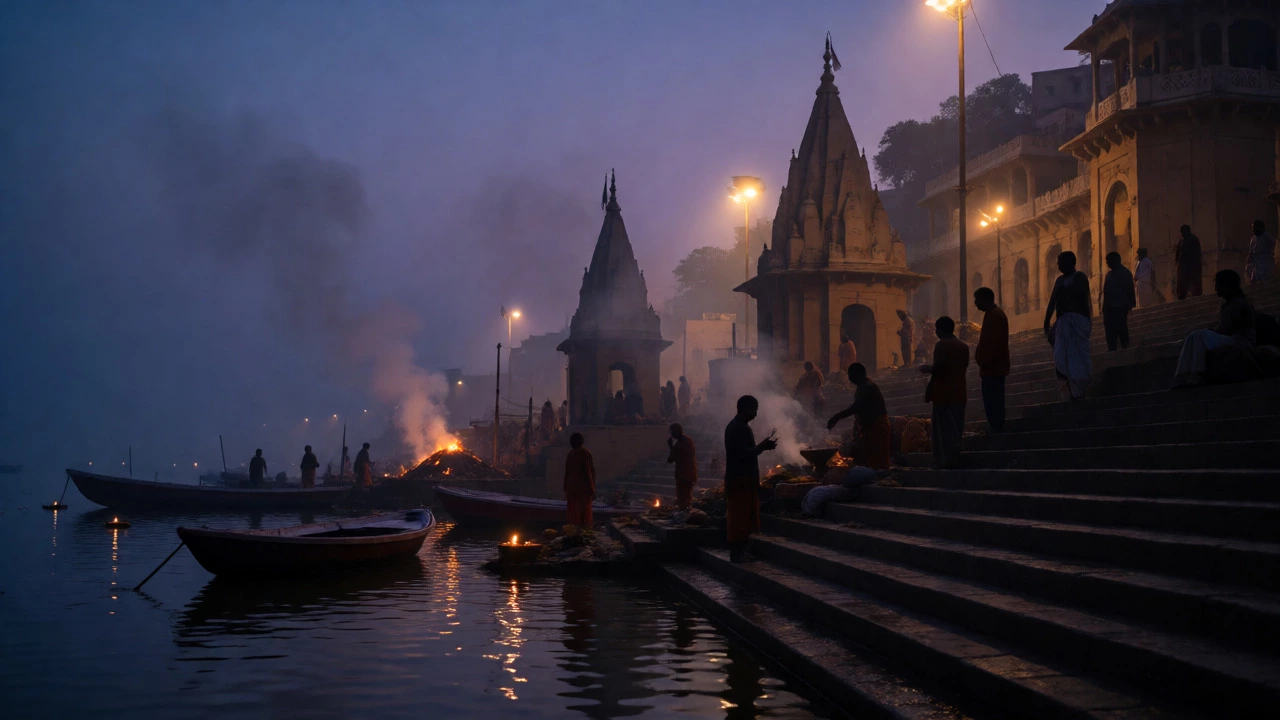
Varanasi is intense. The Ganges River flows past stone steps called ghats. Every day, thousands of pilgrims bathe here, believing it washes away sins. At Manikarnika Ghat, you’ll witness open-air cremations happening 24/7. It’s not morbid; it’s matter-of-fact. Life and death coexist openly. Take a boat ride at sunrise. You’ll see yoga practitioners, priests performing rituals, and cows wandering freely. It’s spiritual tourism at its rawest. Stay in a hotel overlooking the ghats so you can wake up to the sound of temple bells and chanting.
Rajasthan Beyond Jaipur: Forts and Deserts
If you love architecture and desert landscapes, Rajasthan deserves more than just Jaipur. Add Udaipur and Jaisalmer to your itinerary. Udaipur is known as the City of Lakes. It’s romantic, clean, and surprisingly green compared to the arid surroundings. The City Palace complex overlooks Lake Pichola. Boat rides here are peaceful, offering views of palaces reflected in the water. It’s a great place to slow down after the hustle of Delhi and Agra.
Jaisalmer, deep in the Thar Desert, feels like stepping into a movie set. The entire fort is made of yellow sandstone, glowing gold at sunset. Unlike other forts, people still live inside Jaisalmer Fort. You can walk through narrow lanes, buy handicrafts, and eat dal baati churma (lentils with baked wheat balls) in local homes. The camel safari in Sam Sand Dunes is touristy but memorable. Sleep in a luxury tent under the stars. The silence out there is profound.
Himalayan Escapes: Where to Cool Off
Not everyone wants heat and dust. If you’re traveling in summer (April-June), the plains become unbearable. Head north to the Himalayas. Two top picks for tourists are Shimla and Manali.
Shimla retains a colonial charm. The British built their summer capital here because the altitude keeps temperatures mild. Walk along The Mall Road, visit Christ Church, and take the toy train (Kalka-Shimla Railway). It’s a UNESCO World Heritage site. The journey itself is the attraction, winding through pine forests and over viaducts. However, Shimla can get crowded with domestic tourists. If you prefer solitude, choose Manali instead.
Manali is more rugged and adventurous. It’s a gateway to trekking routes like Hampta Pass. The town sits in the Kullu Valley, surrounded by snow-capped peaks. Visit Hadimba Temple, dedicated to a demoness from the Mahabharata epic, nestled in a cedar forest. Or drive up to Rohtang Pass for glacier views. Note that permits are required for Rohtang, and traffic jams are common. Book your permit online in advance to avoid disappointment.
Practical Tips for First-Time Visitors
Planning matters. Here’s what you need to know to avoid rookie mistakes.
- Visa: Apply for an e-Tourist Visa online at least four days before arrival. Print two copies. Keep digital backups.
- Transport: Use IRCTC app for train bookings. Trains are cheap and efficient, but classes vary wildly. Choose AC Chair Car or Sleeper Class for comfort. For short distances, Uber works in major cities.
- Money: Carry small notes (50 and 100 rupees). Many vendors cannot break large bills. ATMs are widespread, but notify your bank before traveling.
- Health: Drink bottled water only. Avoid ice in drinks unless you trust the source. Street food is delicious but stick to busy stalls with high turnover. Carry anti-diarrheal meds just in case.
- Clothing: Dress modestly, especially at religious sites. Cover shoulders and knees. Remove shoes before entering temples. Wear comfortable walking shoes; cobblestones are uneven.
One critical tip: bargain everywhere except malls and fixed-price shops. Start at 50% of the quoted price. Smile, be polite, but stand firm. If they won’t budge, walk away. Often, they’ll call you back with a better offer.
When to Go: Timing Your Trip
Seasonality dictates your experience. October to March is peak season. Weather is cool and dry. Perfect for sightseeing. But prices spike, and attractions are crowded. Book hotels months in advance.
April to June brings heat. Temperatures hit 40°C+ in northern plains. Escape to the hills. July to September is monsoon season. Rain is heavy, causing floods and landslides. Some areas close. But it’s lush, green, and empty. Great for photography enthusiasts who don’t mind wet socks.
Festival timing adds flavor. Diwali (October/November) lights up cities with fireworks and lamps. Holi (March) turns streets into rainbow paint fights. Both are unforgettable but require planning for accommodation spikes.
Final Thoughts: Tailor Your Route
So, where should tourists go in India? If you’re short on time, stick to the Golden Triangle. It delivers iconic imagery and cultural depth without overwhelming logistics. If you crave spirituality, add Varanasi. If you love deserts and forts, explore deeper into Rajasthan. If you hate heat, escape to the Himalayas.
Don’t try to conquer all of India in one trip. Pick one region, dive deep, and let the country reveal its layers slowly. The chaos will fade, replaced by memories of spices, smiles, and stone carvings that have stood for centuries. That’s the real reward.
Is India safe for solo female travelers?
Yes, but caution is required. Stick to reputable accommodations, avoid isolated areas at night, and dress conservatively. Using women-only taxi services or apps like Ola/Uber helps. Connecting with other travelers via hostels or forums provides safety in numbers.
Do I need vaccinations before visiting India?
Consult your doctor. Common recommendations include Hepatitis A and B, Typhoid, and Tetanus. Malaria prophylaxis might be needed depending on regions visited. Ensure routine vaccines are up to date.
What is the best way to travel between cities in North India?
Trains are the most popular and scenic option. Book via IRCTC website/app. For flexibility, hire a private car with driver (approx $30-$50/day). Flights connect major hubs like Delhi, Mumbai, and Jaipur but involve airport hassles.
How much cash should I carry daily?
For mid-range travel, budget ₹2,000-₹5,000 ($25-$60 USD) per day for meals, transport, and entry fees. Major attractions accept cards/UPI, but cash is king for street food, auto-rickshaws, and markets.
Can I drink tap water in India?
No. Always drink bottled or filtered water. Check seals on bottles. Avoid ice cubes unless certain they are made from purified water. Brush teeth with bottled water if you have a sensitive stomach.