Pilgrimage Comparison Calculator
Enter values to see comparison results.
There’s a city in India that doesn’t just look like an ancient metropolis - it feels like one. Step into its narrow alleys, and you’ll hear chants echoing off centuries-old stone walls. The air smells of incense, marigolds, and river water. At dawn, hundreds of people bathe in the same sacred waters that have drawn pilgrims for over 3,000 years. This isn’t Rome. But many call it the Rome of India.
Why Varanasi Earns the Title
Varanasi, also known as Kashi or Banaras, is the city most commonly called the "Rome of India." The comparison isn’t about architecture or politics - it’s about endurance. Just as Rome survived empires, invasions, and revolutions to remain a spiritual and cultural center, Varanasi has never stopped being a living heart of Hinduism. While Rome’s Colosseum stands as a monument to the past, Varanasi’s ghats are still used every single day - for bathing, praying, cremating, and living.
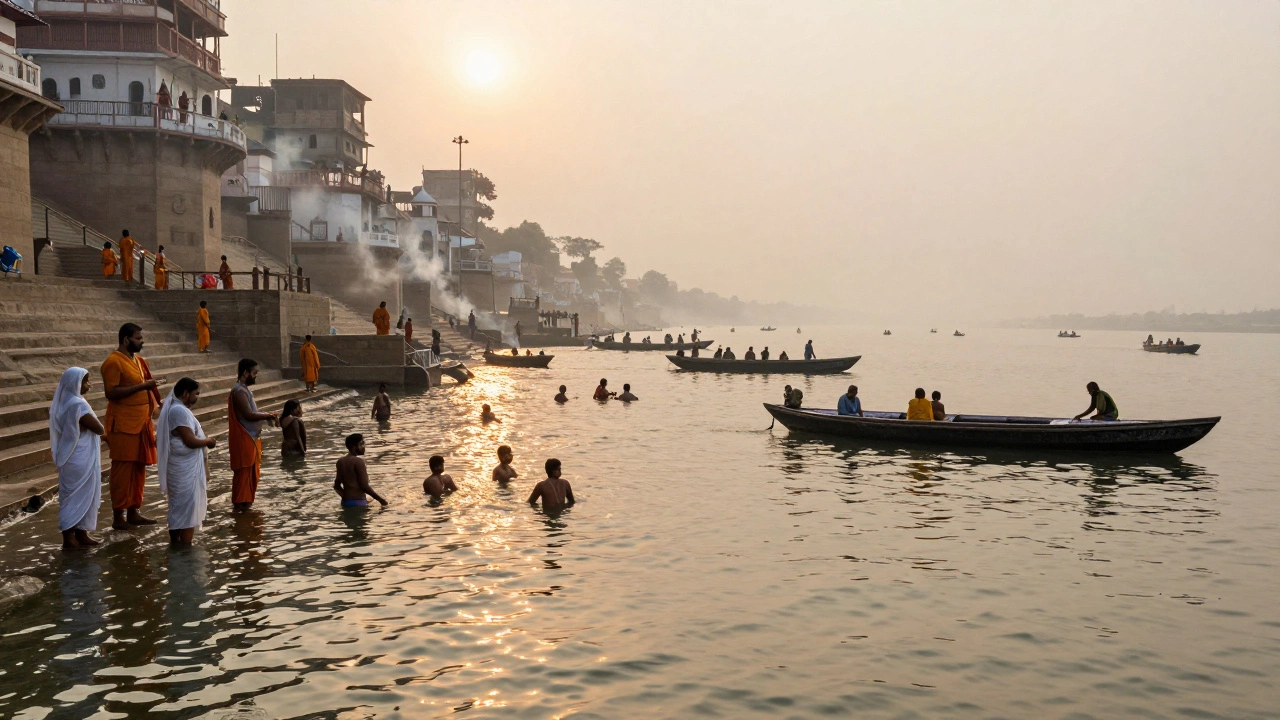
Unlike Rome, which became a tourist attraction after its imperial decline, Varanasi never stopped being sacred. It’s not a museum. It’s a city that breathes religion. The Ganges River flows through it like a lifeline, and over 100 ghats line its banks. Each one has a purpose: Dashashwamedh Ghat for evening aarti, Manikarnika Ghat for cremations, Assi Ghat for quiet meditation. No other city in India blends daily life and eternal ritual so completely.
A City That Never Sleeps - Literally
Varanasi is one of the world’s oldest continuously inhabited cities. Archaeological evidence shows human settlement here as far back as 1200 BCE. While Rome was built on seven hills, Varanasi was built along a bend in the Ganges - and its spiritual geography is just as deliberate. The city is said to be guarded by Shiva himself, and legend says that anyone who dies here achieves moksha - liberation from the cycle of rebirth.
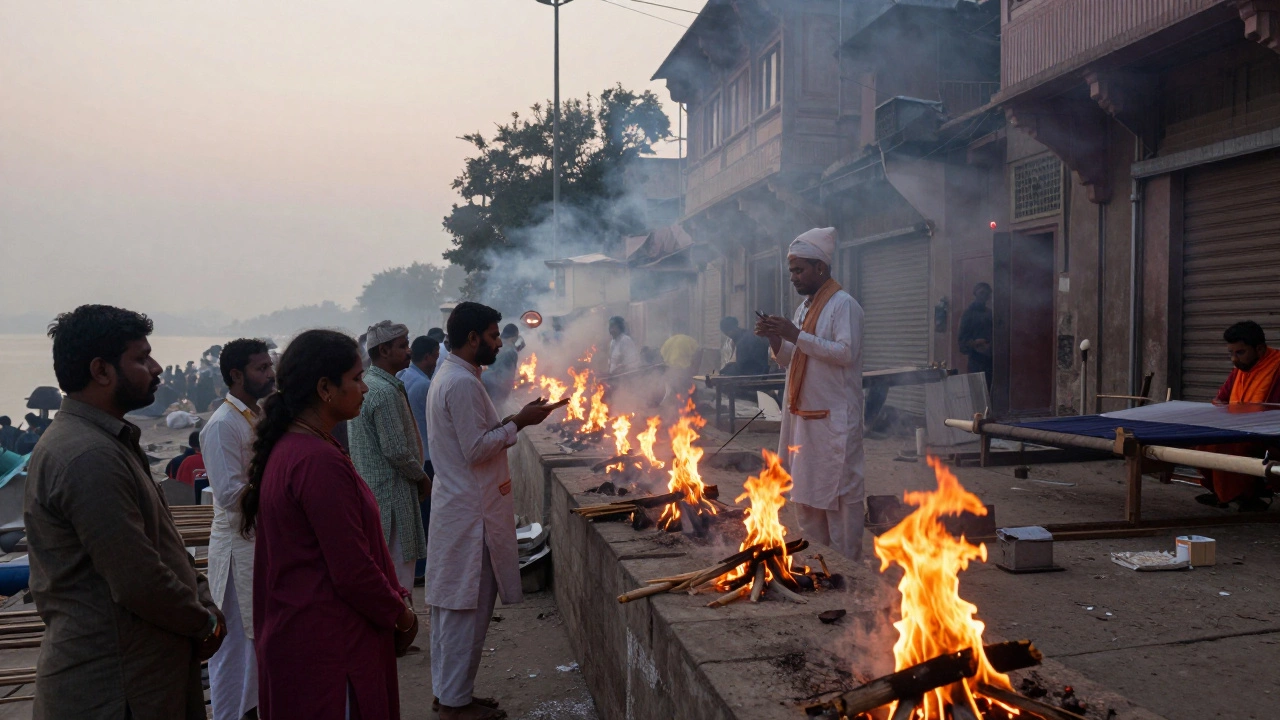
That belief shapes everything. The cremation pyres at Manikarnika Ghat burn 24/7. Families bring their dead not to mourn, but to release. You’ll see widows in white saris sitting quietly near the water, men chanting mantras, and priests performing rituals with the same precision they’ve used for over a thousand years. There’s no separation between life and death here - only transition.
How It Compares to Rome
At first glance, the comparison seems odd. Rome has aqueducts, gladiatorial arenas, and Vatican museums. Varanasi has floating lanterns, silk weavers, and temples older than the Roman Empire. But the deeper parallels are striking:
- Religious continuity: Both cities have been centers of faith for millennia. Rome for Catholicism, Varanasi for Hinduism.
- Urban survival: Both were sacked, rebuilt, and reshaped - yet never lost their soul.
- Pilgrimage traffic: Rome draws millions of Catholics each year. Varanasi sees over 10 million pilgrims annually.
- Art and learning: Rome nurtured Renaissance art. Varanasi preserved Sanskrit texts, classical music, and Ayurvedic medicine through centuries of change.
There’s no statue of Shiva in the Vatican. But there’s also no statue of Augustus in Varanasi’s alleys. The difference? Varanasi didn’t need to be preserved. It was never meant to be frozen in time. It was meant to live - and it still does.
What You’ll Actually See There
If you visit, don’t expect polished streets or tourist-free temples. Varanasi is messy, loud, and overwhelming. But that’s the point. Here’s what you’ll encounter:
- Boat rides at sunrise: Watch the sky turn gold as hundreds of pilgrims dip into the Ganges. The water is holy - but it’s also real. Scientists have tested its purity and found it contains natural antibacterial properties.
- Handloom silk markets: Banarasi silk is world-famous. Weavers still use wooden looms passed down for generations. A single saree can take six months to make.
- Street food like no other: Try kachori sabzi, lassi with rose syrup, or jalebi fresh from the oil. Vendors sell from carts that have been in the same spot for decades.
- Temples older than most European cities: The Kashi Vishwanath Temple, rebuilt in the 18th century after destruction, sits on a site worshipped since at least the 5th century BCE.
There’s no entry fee. No timed tickets. No security checkpoints. Just a city that welcomes you - if you’re ready to listen.
Why Other Cities Don’t Claim the Title
You might hear people call Jaipur the "Pink City" or Udaipur the "Venice of the East." Those are nicknames based on appearance. Varanasi’s title isn’t about color or canals - it’s about depth. Other ancient Indian cities like Madurai, Patna, or Mathura have long histories too. But none have maintained such an unbroken chain of daily spiritual practice.
Madurai has a stunning temple. Patna was the seat of the Mauryan Empire. Mathura is Krishna’s birthplace. But none of them have 100 ghats where people come to die - and where the dead are cremated so the ashes can be carried by the river to the sea. That’s the unique power of Varanasi.
Visiting Isn’t Just Tourism - It’s Witnessing
Many travelers come to Varanasi looking for peace. They leave with more questions than answers. That’s because this city doesn’t offer comfort. It offers truth. You’ll see poverty, chaos, and ritual that might seem strange. But you’ll also see devotion so deep it defies explanation.
One traveler wrote: "I came to see a holy city. I left understanding that holiness isn’t about perfection - it’s about persistence."
Varanasi doesn’t need to be the "Rome of India" to matter. But the comparison helps outsiders understand: this isn’t a relic. It’s a living, breathing, ancient soul that still beats strong.
Is Varanasi the only city called the Rome of India?
Yes, Varanasi is the only city in India that is widely and historically referred to as the "Rome of India." While other ancient cities like Madurai or Ayodhya have deep religious significance, none match Varanasi’s combination of continuous habitation, unbroken spiritual practices, and global recognition for this specific comparison. The title comes from Western scholars in the 19th century who drew parallels between the two cities’ enduring roles as centers of faith, culture, and ritual.
Why is the Ganges River so important in Varanasi?
The Ganges, or Ganga, is considered a goddess in Hinduism. In Varanasi, it’s believed that bathing in the river washes away sins and brings liberation from the cycle of rebirth. Those who die here are cremated on the ghats, and their ashes are scattered in the river - a final act of release. Scientifically, the river contains natural antibacterial agents, which may explain why it hasn’t turned to sludge despite centuries of ritual use. For millions, the Ganges isn’t water - it’s a promise.
Can tourists visit the cremation ghats?
Yes, tourists are welcome to observe the cremation rituals at Manikarnika Ghat, but with deep respect. Photography is strictly forbidden. Visitors are expected to remain quiet, avoid touching anything, and never point at the pyres. The rituals are not performances - they’re sacred rites. Many travelers describe watching the cremations as one of the most profound experiences of their lives, not because it’s shocking, but because it’s honest.
Is Varanasi safe for solo travelers?
Varanasi is generally safe for solo travelers, especially in the main tourist areas near the ghats and markets. However, the city is intense - crowded, loud, and overwhelming. Women traveling alone should dress modestly and avoid walking alone at night. Pickpocketing is rare, but scams (like fake guides or overpriced boat rides) happen. Trust your instincts. Most locals are genuinely helpful, especially if you ask politely in Hindi or English.
What’s the best time to visit Varanasi?
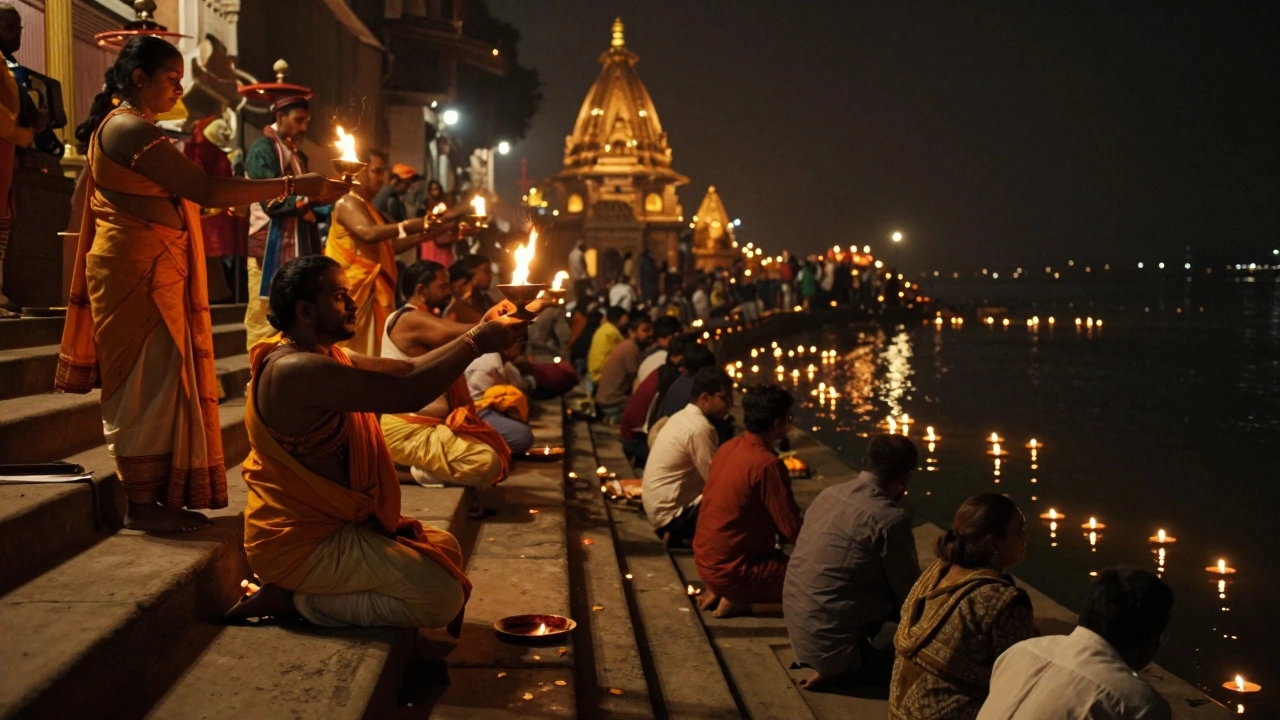
The best time is between October and March, when the weather is cool and dry. October and November are especially popular because of the Dev Deepawali festival - when thousands of oil lamps are lit along the ghats, turning the river into a sea of light. Avoid July and August - monsoon season makes the streets muddy and the river dangerously swollen. Sunrise at Dashashwamedh Ghat, during the aarti ceremony, is a must-see - and it’s magical year-round.
What to Do Next
If you’re planning a trip, don’t just book a hotel. Book a boat ride before sunrise. Walk the ghats barefoot. Sit with a local tea seller and ask about their family’s history in the city. Don’t try to understand everything - just let it wash over you.
Varanasi doesn’t need you to love it. It just needs you to be there - present, quiet, and open.