World Heritage Site Comparison Tool
Compare Country Heritage Sites
Comparison Results
When you think of ancient temples, crumbling Roman ruins, or sacred forests preserved for centuries, you’re thinking of UNESCO World Heritage Sites. These aren’t just tourist spots-they’re the planet’s most irreplaceable cultural and natural treasures. But which country holds the crown for having the most?
As of 2026, Italy leads the world with 58 UNESCO World Heritage Sites. That’s more than any other country. From the historic center of Rome to the vineyards of Piedmont, from the medieval towers of San Gimignano to the archaeological ruins of Pompeii, Italy’s landscape is basically an open-air museum. It’s not just about quantity, though. Each site tells a story of human creativity, survival, and cultural evolution that spans over 3,000 years.
How Italy Got to Number One
Italy’s lead isn’t accidental. Its long history as a crossroads of empires-Etruscans, Romans, Byzantines, Renaissance city-states-left behind a staggering number of artifacts, buildings, and urban layouts that UNESCO recognizes as globally significant. Unlike countries that added sites recently, Italy’s list was built over decades, with many of its earliest entries dating back to 1979, when UNESCO began its program.
Take the Historic Centre of Florence a Renaissance jewel with over 1,000 monuments, including the Duomo and Uffizi Gallery. Or the Venice and its Lagoon a city built on water, with canals that functioned as streets for centuries. These aren’t just pretty pictures-they’re living systems still in use today.
Italy also leads in cultural sites. Of its 58, 53 are cultural, 4 are natural, and 1 is mixed. That’s a heavy emphasis on human history. Compare that to China, which has 57 sites but includes more natural and mixed sites. China’s list includes the Great Wall, the Forbidden City, and the Terracotta Warriors, but Italy’s depth in urban heritage gives it the edge.
Where Does India Stand?
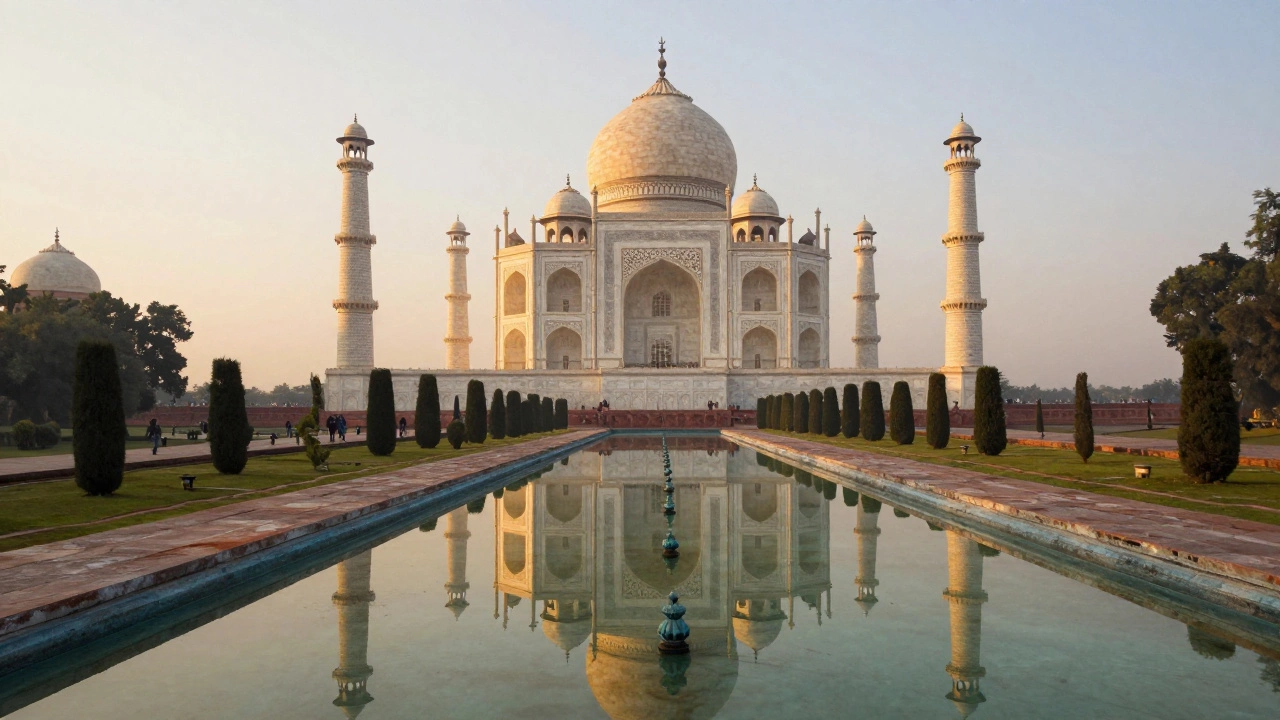
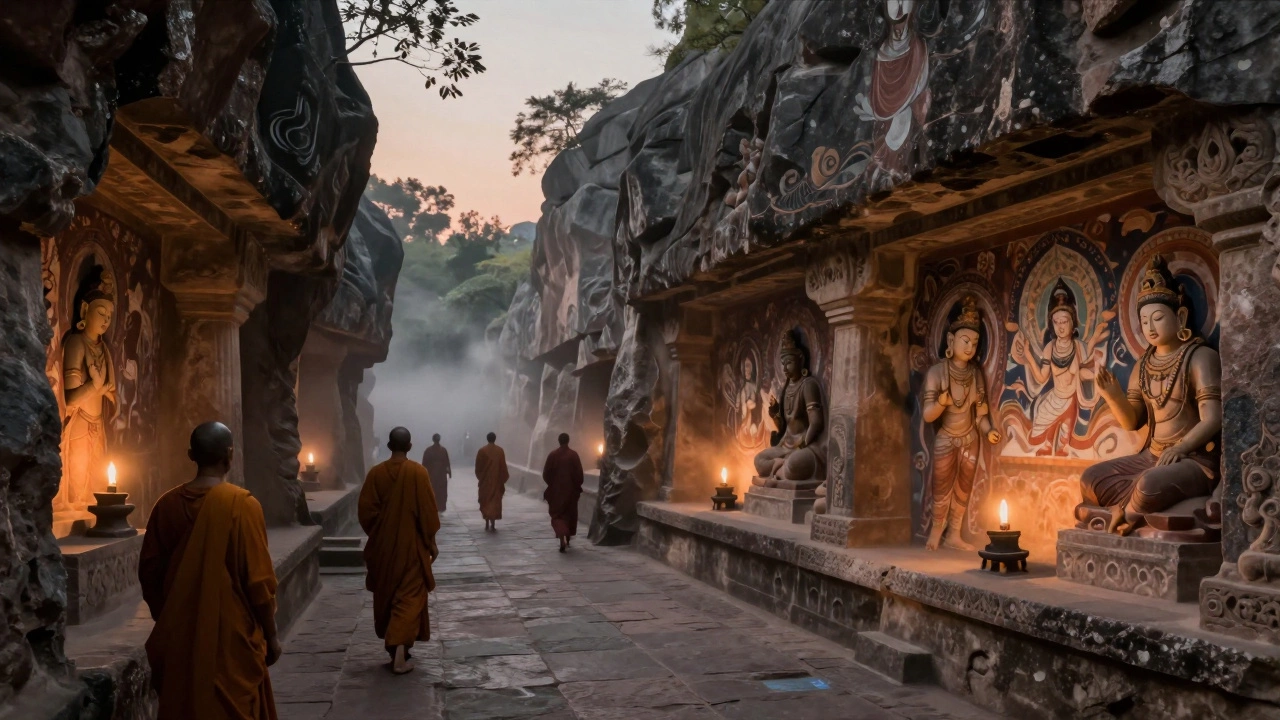
India sits at number 6 with 43 UNESCO World Heritage Sites. That’s impressive, especially when you consider its population and recent history. India’s sites include the Taj Mahal a 17th-century marble mausoleum built by Emperor Shah Jahan, the Ajanta and Ellora Caves rock-cut Buddhist, Hindu, and Jain temples carved between 2nd century BCE and 10th century CE, and the Khajuraho Group of Monuments famous for intricate erotic sculptures and temple architecture.
What’s unique about India’s list is the blend of spiritual, architectural, and natural heritage. The Western Ghats a biodiversity hotspot running along India’s west coast, home to over 5,000 plant species is one of the few natural sites on its list. The rest are cultural-temples, forts, cities, and archaeological zones.
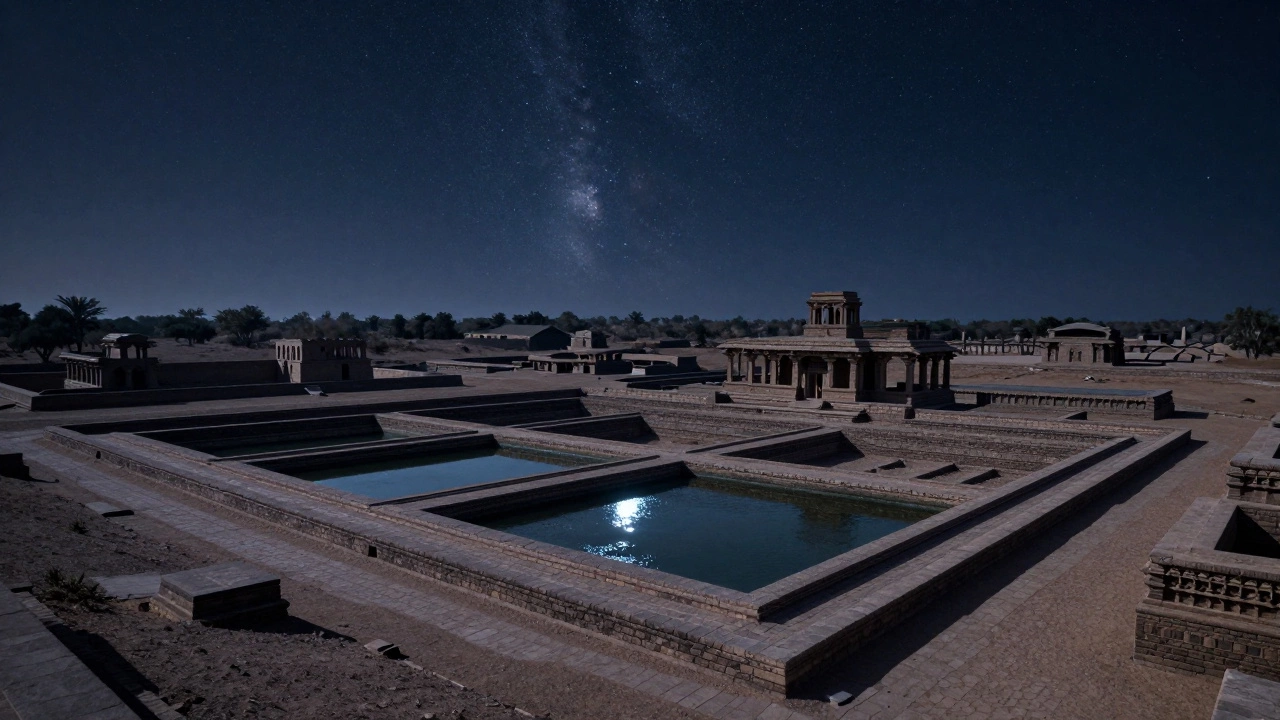
India added its most recent site in 2023: the Dholavira: A Harappan City an ancient urban center from the Indus Valley Civilization, dating back over 4,500 years. This shows India is still actively expanding its heritage recognition, even as it works to preserve older sites from pollution, tourism pressure, and climate change.
Other Top Countries Compared
Here’s how the top five stack up:
| Rank | Country | Total Sites | Cultural Sites | Natural Sites | Mixed Sites |
|---|---|---|---|---|---|
| 1 | Italy | 58 | 53 | 4 | 1 |
| 2 | China | 57 | 39 | 14 | 4 |
| 3 | France | 52 | 48 | 3 | 1 |
| 4 | Germany | 52 | 50 | 1 | 1 |
| 5 | Spain | 50 | 47 | 2 | 1 |
Notice the pattern? Italy, France, Germany, and Spain are all European countries with deep historical roots and strong preservation programs. China is the only non-European country in the top five, and its list reflects both ancient imperial power and vast natural landscapes.
What’s interesting is that countries like Mexico (34), Iran (26), and Japan (25) have fewer sites but often have more concentrated cultural significance. For example, Japan’s Historic Monuments of Ancient Kyoto 17 sites including Kinkaku-ji and Nijo Castle, representing over 1,000 years of Japanese tradition are packed into a single city.
Why This Matters Beyond Numbers
It’s easy to get caught up in rankings, but the real value of these sites isn’t in who has the most. It’s in what they protect. UNESCO designation doesn’t just put a place on a map-it brings legal protection, international funding, and global awareness.
For example, when the Historic Centre of Rome was listed in 1980, it helped prevent high-rise construction that would have destroyed its skyline. In India, the Group of Monuments at Hampi a 14th-century Vijayanagara capital, was saved from quarrying thanks to its UNESCO status.
But it’s not perfect. Many sites are under threat. Venice is sinking. The Great Barrier Reef Australia’s only natural site on the endangered list is bleaching due to warming oceans. In India, pollution is damaging the Taj Mahal’s marble, and overcrowding is wearing down temple floors.
UNESCO doesn’t just hand out titles-it flags dangers. Sites like the Historic City of Aleppo in Syria, damaged during war are now on the List of World Heritage in Danger. This isn’t a punishment-it’s a call to action.
What You Can Do
If you’re planning to visit these places, remember: you’re not just a tourist. You’re a steward. Follow local rules. Don’t touch carvings. Don’t litter. Support community-run tours instead of big chains. In India, many heritage sites have strict visitor caps-respect them. In Italy, some churches and ruins charge entry fees that go directly to restoration. Pay them.
And if you’re not planning a trip? You can still help. Follow UNESCO’s updates. Share stories about these sites. Pressure your government to fund global heritage preservation. The next generation won’t care how many sites Italy has-they’ll care whether they still exist.
Final Thoughts
Italy has the most World Heritage Sites-not because it’s the oldest or richest, but because it never stopped caring for its past. Other countries are catching up. India, with its 43 sites, is one of the most active in adding new entries. But numbers aren’t everything. What matters is that these places still breathe, still matter, still inspire.
Next time you see a photo of the Taj Mahal, the Colosseum, or the temples of Angkor Wat, remember: these aren’t just landmarks. They’re promises. Promises that we, today, will protect them for tomorrow.