Find Your Perfect Indian Travel Destination
Tell us about your ideal trip:
Your Recommended Destination
Why it's perfect for you:
Key Highlights:
You pack your bags, check your passport, and book the flight. But before you leave, a nagging question remains: Will I actually feel welcome there? For Indian travelers, this isn't just about safety or budget. It is about that warm, familiar nod from a stranger, the ease of finding home-cooked flavors, and the absence of bureaucratic friction. We want places where our culture is not just tolerated but celebrated.
Finding the most friendly country to Indians involves looking beyond generic tourist rankings. We need to look at visa accessibility, cultural affinity, the presence of established Indian communities, and genuine hospitality. In 2026, several nations stand out as particularly welcoming havens for our travelers, whether you are seeking a quick weekend getaway, a long-term work stint, or a spiritual retreat.
The Ease of Entry: Visa Policies That Welcome You
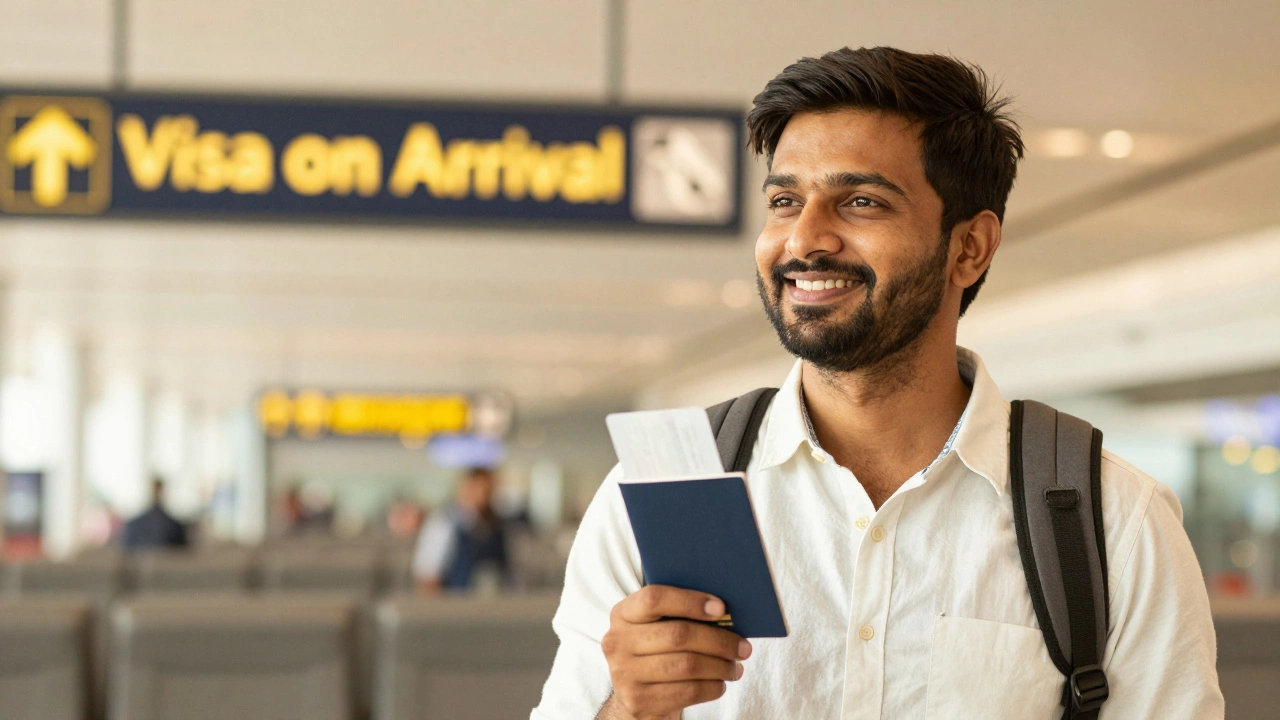
The first barrier to feeling "welcome" is often the border itself. If a country makes you jump through hoops to enter, the hostility starts before you even land. Fortunately, the landscape has shifted significantly in recent years. Countries like Mauritius is an island nation in the Indian Ocean known for its white sandy beaches and relaxed visa policies for Indian citizens offer a visa on arrival for Indians. This simplicity signals respect and openness right from the start.
Sri Lanka follows suit with an Electronic Travel Authorization (ETA) that is quick and straightforward to obtain online. These policies reduce anxiety and set a positive tone for the trip. When a government makes it easy for you to visit, it suggests they value your tourism and presence. Conversely, countries with complex, expensive, and slow visa processes often correlate with a harder experience on the ground, regardless of how polite the locals might be.
- Mauritius: Visa on arrival for stays up to 90 days.
- Sri Lanka: Easy online ETA approval within hours.
- Maldives: Free 30-day visa on arrival for all nationalities.
- Nepal: Visa on arrival; feels like an extension of home.
Cultural Affinity: Where Your Roots Run Deep
Friendliness often stems from shared heritage. When you travel to countries with historical ties to India, you find a sense of belonging that is hard to replicate elsewhere. The Maldives, Sri Lanka, and Nepal share deep religious, linguistic, and culinary connections with India. In these places, you don't have to explain your dietary restrictions or festival celebrations; people already understand.
In Sri Lanka is a tropical island nation south of India with a rich history of Buddhist temples and colonial architecture, you can hear similar languages and see architectural styles that remind you of South India. The food is spicy, flavorful, and comforting. Locals are accustomed to Indian tourists and often treat them with a familial warmth. You are not just a foreigner; you are a neighbor. This cultural proximity eliminates the "otherness" that can sometimes make traveling abroad feel isolating.
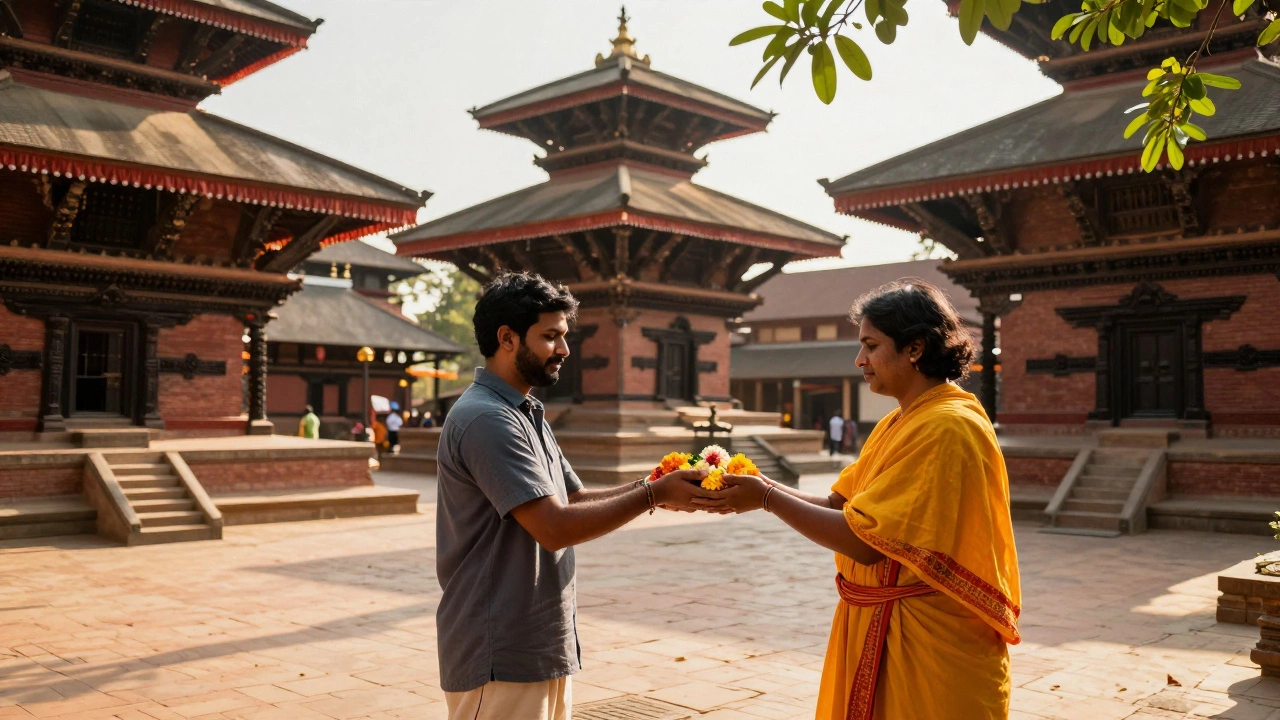
Nepal offers a different kind of closeness. As a landlocked nation bordered by India, it shares open borders and a seamless flow of culture. Driving from Varanasi to Kathmandu feels less like crossing an international boundary and more like moving between states. The Hindu temples in Pokhara and Kathmandu are vibrant centers of worship, and the local population is deeply respectful of Indian traditions. For spiritual travelers, Nepal is arguably the friendliest destination because it mirrors the soul of India.
The Gulf Advantage: A Home Away From Home
If we talk about the sheer volume of friendly interactions, the Gulf Cooperation Council (GCC) countries, particularly the United Arab Emirates (UAE), take the crown. With millions of Indian expatriates living and working in cities like Dubai and Abu Dhabi, these places have effectively become extensions of India. You will find Indian groceries, restaurants serving authentic regional cuisine, and festivals celebrated with full fervor.
Dubai is a global hub in the UAE known for its modern architecture, luxury shopping, and large Indian community is unique because friendliness here is institutionalized. Service staff speak Hindi and Urdu fluently. Customer service standards are high, and there is zero tolerance for discrimination against Indians. While it may lack the ancient cultural roots of Nepal or Sri Lanka, the social fabric is woven tightly with Indian threads. For business travelers or those visiting family, the UAE offers the highest level of comfort and familiarity.
| Country | Visa Ease | Cultural Connection | Indian Community Size | Best For |
|---|---|---|---|---|
| Mauritius | Very High (On Arrival) | High (Creole-Indian mix) | Medium | Honeymoons & Relaxation |
| Sri Lanka | High (Online ETA) | Very High (Historical/Tamil) | Low | Culture & Nature |
| UAE (Dubai) | Medium (E-visa) | Medium (Modern Hub) | Very High | Business & Shopping |
| Nepal | Very High (Open Border) | Extremely High (Religious) | High | Spirituality & Trekking |
| Maldives | Very High (On Arrival) | Medium (Islamic-Indian blend) | Low | Luxury Resorts |
Hidden Gems: Unexpected Warmth in Southeast Asia
While South Asia and the Middle East dominate the list, Southeast Asia offers surprising pockets of friendliness. Thailand and Indonesia have embraced Indian culture in fascinating ways. In Bali, Indonesia, you will find temples dedicated to Hindu deities, reflecting the island's ancient links to India. The Balinese people are renowned for their hospitality, treating guests with a gentle, smiling demeanor that feels incredibly welcoming.
Thailand, often called the "Land of Smiles," has a growing appreciation for Indian yoga, Ayurveda, and cuisine. Bangkok and Chiang Mai host vibrant Indian communities, and many Thais are curious and respectful towards Indian traditions. The cost of living is low, making it accessible for long stays, and the locals' general cheerfulness translates into a very friendly atmosphere for tourists.
Practical Tips for a Welcoming Experience
No matter which country you choose, your experience depends partly on how you engage with the local environment. Here are some practical tips to ensure you receive the warmest welcome possible:
- Learn Basic Phrases: Even in English-speaking countries like Singapore or Malaysia, trying a few words in the local language goes a long way. It shows respect and breaks the ice instantly.
- Dress Modestly: In conservative regions like the Maldives or parts of Sri Lanka, dressing modestly helps you blend in and avoids unwanted attention. It signals that you respect local norms.
- Connect with the Diaspora: Use social media groups or forums to connect with other Indians living in your destination. They can recommend safe neighborhoods, authentic eateries, and hidden gems that guidebooks miss.
- Be Patient with Bureaucracy: Even in friendly countries, administrative processes can be slow. Approach officials with politeness and patience. Aggression rarely yields results, while kindness often opens doors.
Why Friendliness Matters More Than Ever
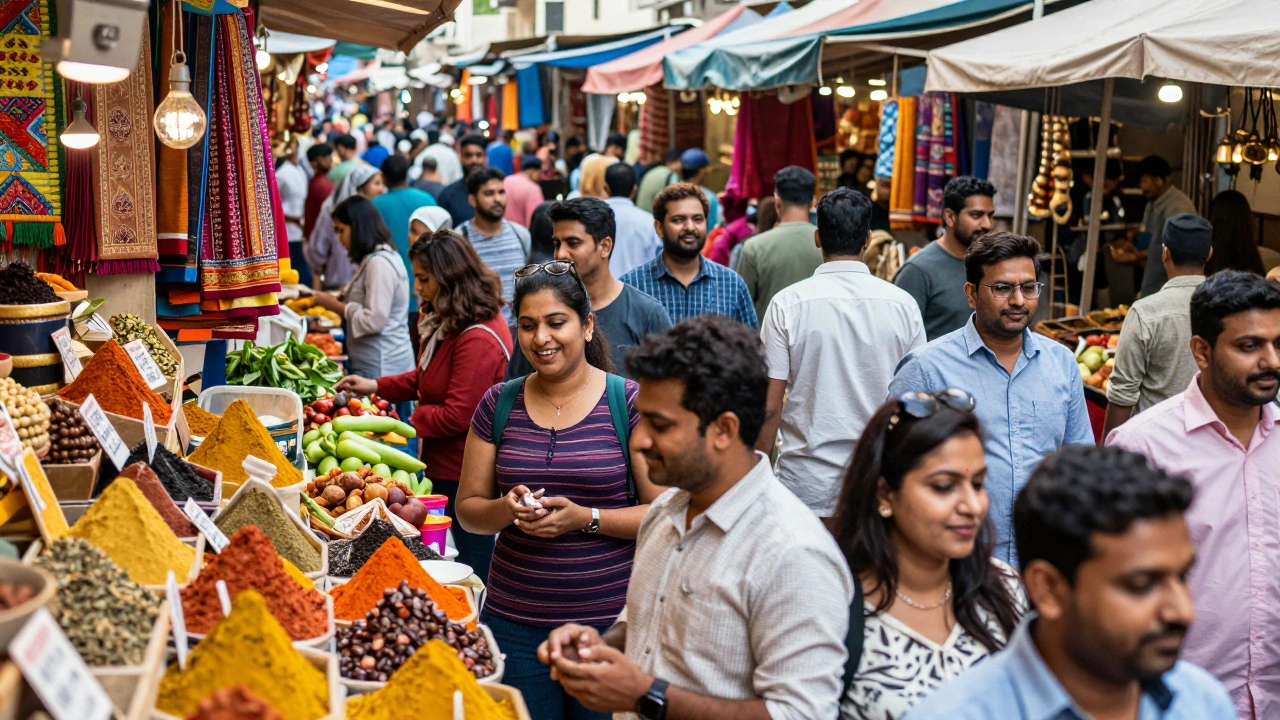
In today's world, travel is not just about sightseeing; it is about connection. We seek places where we can relax our guard and feel understood. For Indian travelers, who often carry stereotypes about noise, bargaining, or chaos, finding a place that looks past these clichés is refreshing. Countries like Mauritius and Sri Lanka actively market themselves to Indians because they know our spending power and our desire for respectful treatment.
This mutual benefit creates a cycle of positivity. The more Indians visit, the more infrastructure adapts to our needs-more vegetarian options, more Hindi signage, more culturally sensitive services. This adaptation is a tangible sign of friendliness. It means the country is not just tolerating your presence but investing in your comfort.
Conclusion: Choosing Your Perfect Match
So, which country is the most friendly to Indians? There is no single answer because "friendliness" means different things to different people. If you crave cultural kinship and spiritual resonance, Nepal or Sri Lanka are your best bets. If you want the convenience of home with world-class amenities, head to Dubai. For pure relaxation and hassle-free entry, Mauritius or the Maldives offer unparalleled ease.
The key is to align your choice with your travel style. Do your research, check the latest visa rules, and prepare to embrace the local culture with an open mind. When you do, you will find that the world is far more welcoming than you might think.
Is it safe for Indians to travel alone?
Yes, countries like Sri Lanka, Nepal, and Mauritius are generally considered very safe for solo Indian travelers. Standard precautions apply, such as avoiding isolated areas at night and keeping valuables secure. However, the presence of large Indian communities in places like Dubai also adds a layer of security and support.
Which country has the easiest visa for Indians?
Mauritius, the Maldives, and Nepal offer visa-on-arrival facilities for Indian citizens, making them the easiest to enter. Sri Lanka requires an electronic travel authorization (ETA), which is also quick and simple to obtain online. Always check the latest requirements before booking your flights.
Can I find Indian food easily abroad?
In countries with large Indian diasporas like the UAE, Singapore, and Malaysia, Indian food is ubiquitous and authentic. In neighboring countries like Sri Lanka and Nepal, the cuisine is closely related to Indian food, so you will find familiar flavors. Even in Thailand and Indonesia, Indian restaurants are common in major cities.
Are Indians treated respectfully in Southeast Asia?
Generally, yes. Countries like Thailand and Indonesia are known for their hospitality and tolerance. While there may be occasional instances of racism anywhere in the world, these incidents are rare in tourist-heavy areas. Locals are usually curious and friendly towards Indian visitors, especially those interested in yoga and spirituality.
What is the best time to visit Mauritius from India?
The best time to visit Mauritius is between May and December when the weather is cool and dry. This period coincides with the peak tourist season, offering ideal conditions for beach activities and water sports. Avoid January and February, which can be hot and humid with a higher chance of cyclones.