Indian Temple Travel Planner
Select your primary interest and preferred travel time to generate a personalized itinerary guide.
Shiva
TransformerVishnu
PreserverDurga/Kali
PowerGanesha
UniversalYour personalized temple guide will appear here.
Walk into any neighborhood in India, and you will likely see a small shrine. It might be tucked under a banyan tree, built into the corner of a shop, or standing proudly on a street corner. This is not just decoration; it is the heartbeat of daily life for over a billion people. But if you ask which god has the most devotees in India, the answer isn't as simple as picking one name from a list. The reality is that devotion here is fluid, overlapping, and deeply personal.
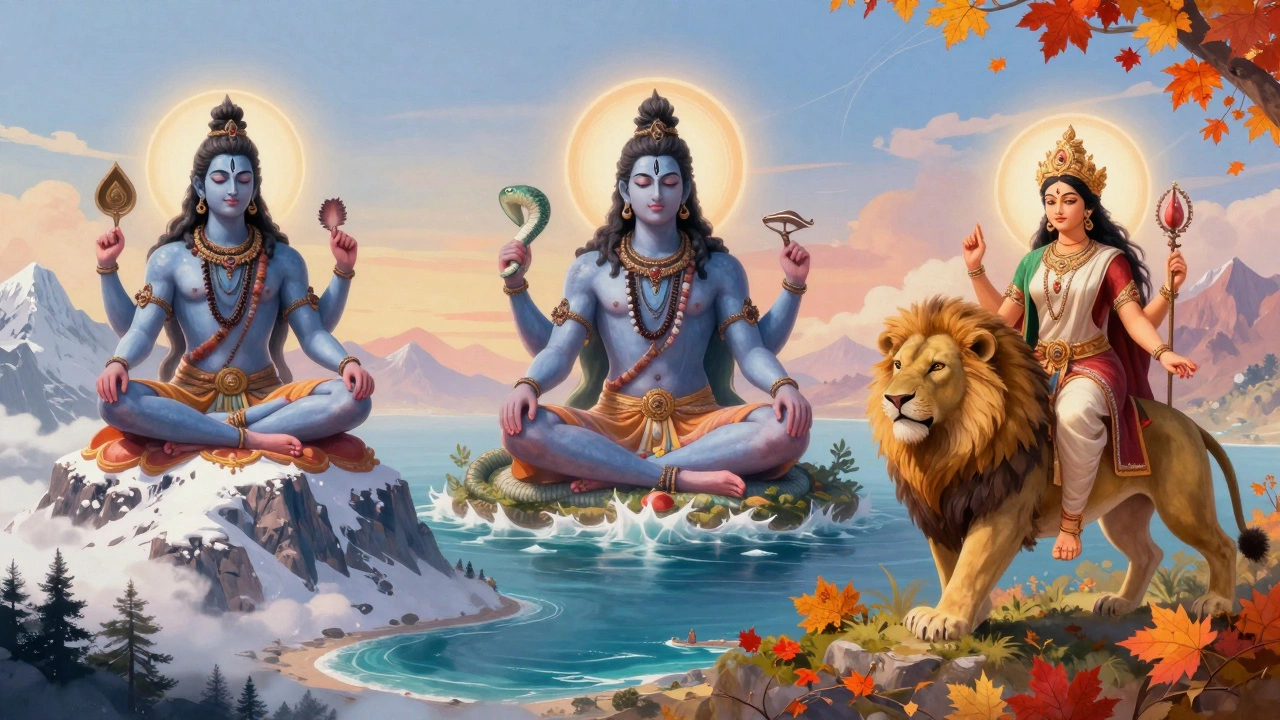
For travelers planning temple tours in India, understanding this dynamic is crucial. You aren't just visiting buildings; you are stepping into a living ecosystem of faith. While statistics vary by region and survey method, three deities consistently dominate the landscape: Lord Shiva, the destroyer and transformer within the Trimurti, Lord Vishnu, the preserver who maintains cosmic order, and Maa Durga, the fierce mother goddess representing power and protection. Each commands millions of followers, but their influence shifts dramatically depending on where you stand on the map.
The Case for Lord Shiva: The Ascetic with Millions
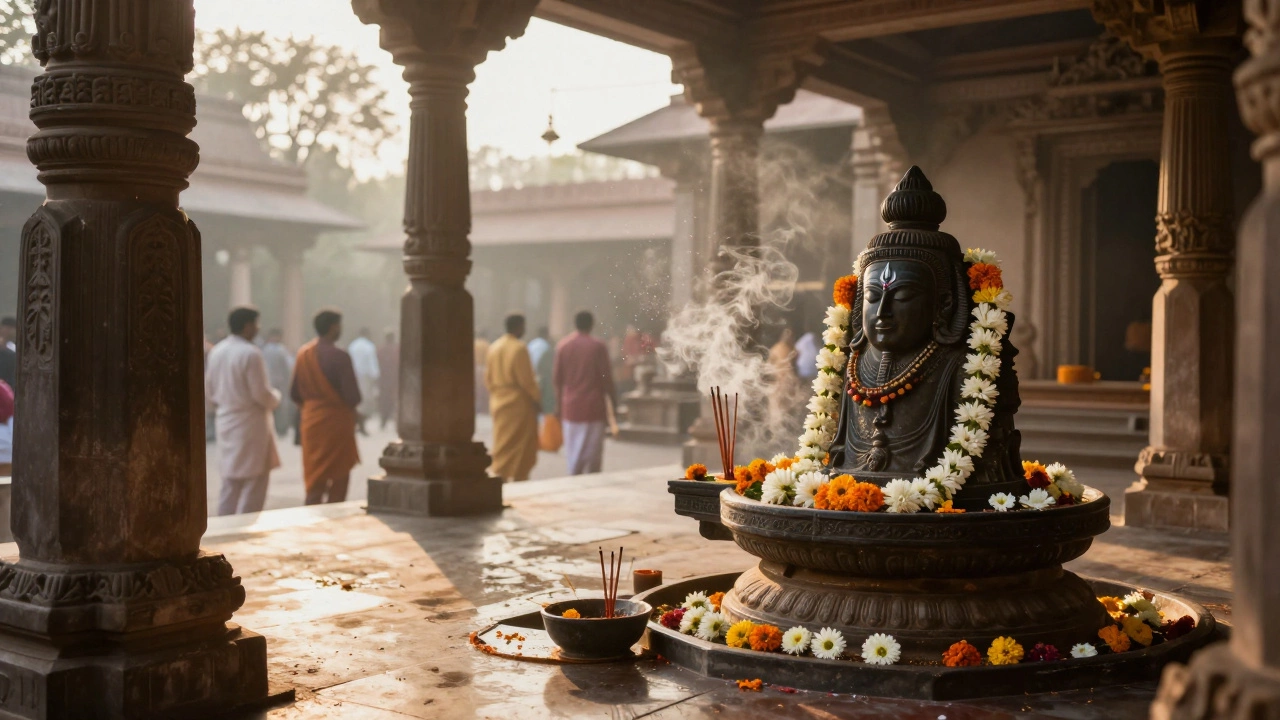
If we look at raw numbers of dedicated followers, particularly among men, Lord Shiva often takes the top spot. He is the ascetic god, the yogi who meditates in the Himalayas. His symbol, the Shiva Lingam, is found in countless homes and temples across the subcontinent. Unlike other deities who have complex human-like forms in every statue, Shiva’s abstract representation makes him accessible and ubiquitous.
Why does he resonate so deeply? In a fast-changing world, Shiva represents transformation. He destroys to create space for the new. For many Indians, especially those facing life transitions, his energy feels immediate and powerful. The festival of Maha Shivaratri sees hundreds of millions of devotees fasting and praying overnight. If you visit during this time, the sheer scale of devotion is overwhelming.
- Kedarnath (Uttarakhand): Located high in the Himalayas, this temple is part of the Char Dham pilgrimage circuit. The trek to Kedarnath is challenging, yet thousands brave the snow and rain each year.
- Badrinath (Uttarakhand): While primarily a Vishnu temple, it sits alongside Kedarnath in the spiritual geography of North India.
- Rameswaram (Tamil Nadu): At the southern tip of India, this temple connects to the Ramayana epic and draws massive crowds for its sacred tank rituals.
- Somnath (Gujarat): One of the twelve Jyotirlingas, this seaside temple is legendary for its resilience, having been rebuilt multiple times throughout history.
Lord Vishnu and the Avatars: A Family of Devotees
While Shiva might lead in singular devotion, Lord Vishnu’s influence is spread across his avatars, or earthly incarnations. When you count the devotees of Rama, Krishna, and Narasimha together, the number rivals or even surpasses Shiva’s. Vishnu is the preserver, the protector. His stories are filled with moral dilemmas, family dynamics, and divine love, making them relatable to everyday struggles.
In Western and Southern India, Vaishnavism (devotion to Vishnu) is incredibly strong. The Bhagavad Gita, where Krishna (an avatar of Vishnu) imparts wisdom to Arjuna, is arguably the most read religious text in India. This literary connection keeps Vishnu central in daily consciousness. For a traveler, following Vishnu means exploring a diverse range of architectural styles and regional traditions.
| Deity | Primary Role | Key Regions | Top Temple Destination |
|---|---|---|---|
| Lord Shiva | Destroyer/Transformer | North, South, East | Kedarnath, Tamil Nadu |
| Lord Vishnu | Preserver | West, South, Central | Vrindavan, Tirupati |
| Maa Durga/Kali | Power/Protection | East, West | Kolkata, Varanasi |
| Ganesha | Remover of Obstacles | Pan-India (esp. Maharashtra) | Pune, Mumbai |
The Power of the Goddess: Durga and Kali
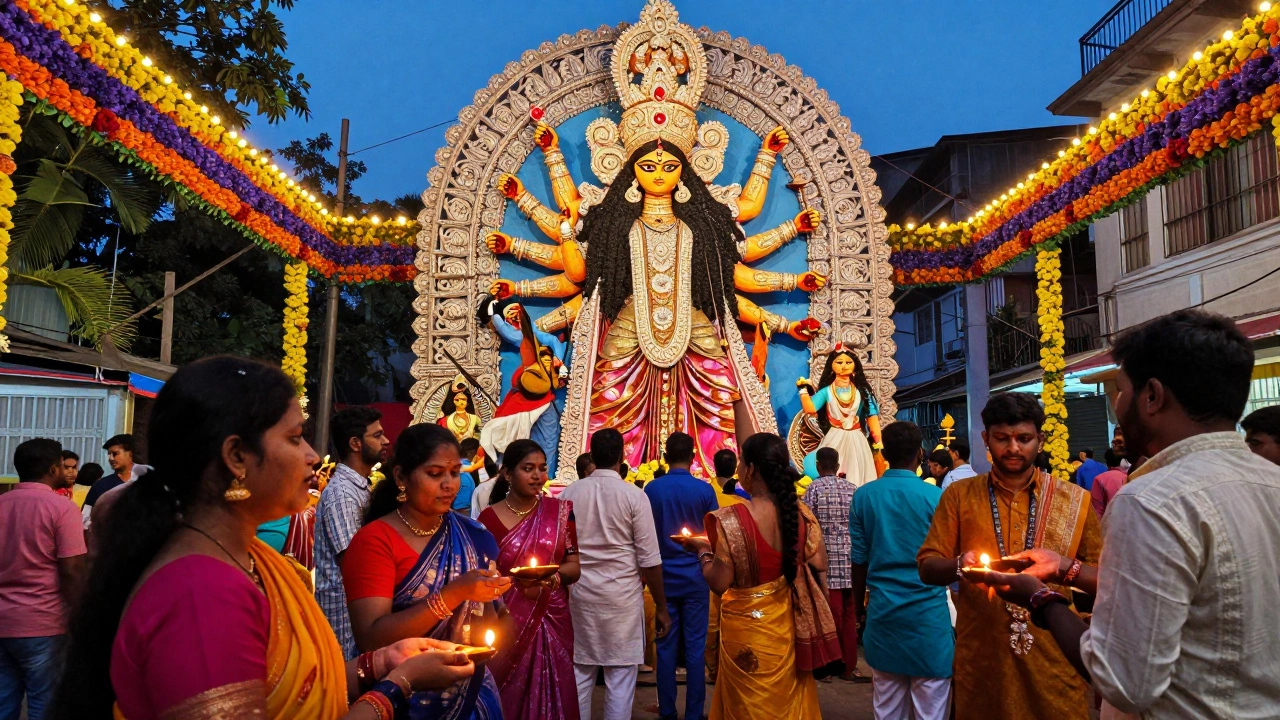
You cannot talk about devotion in India without acknowledging the Mother. In Eastern India, particularly West Bengal and Odisha, the worship of Maa Durga is not just religious; it is cultural identity. During Durga Puja in Kolkata, the city transforms into an open-air museum of art and devotion. Millions gather, not just to pray, but to celebrate community, food, and tradition.
In Kerala and parts of Tamil Nadu, the worship of Kali and other forms of the Divine Mother takes on a more intense, ritualistic character. These temples often feature unique dance forms and fire rituals. For the traveler, these regions offer a glimpse into the shakti (power) aspect of Hinduism, which is equally vital as the male-dominated trimurti narrative.
Ganesha: The Universal Welcome
Before any prayer begins, before any journey starts, Ganesha is invoked. As the remover of obstacles, he has no sect. Shaivas, Vaishnavas, and Shakta devotees all worship him. This universal appeal gives him a unique status. While he may not have the largest exclusive following compared to Shiva or Vishnu, his presence is omnipresent. Every home has a small idol of Ganesha. Every temple entrance features his image.
In Maharashtra, Ganesh Chaturthi is a month-long festival that ends with grand processions. The environmental impact of clay idols versus plastic ones has become a major topic of discussion, showing how modern concerns intersect with ancient traditions. Visiting Pune or Mumbai during this festival offers a vibrant, chaotic, and joyful experience that defines Indian public spirituality.
Regional Variations: Geography Shapes Devotion
India is not a monolith. The god you see worshipped most depends heavily on your location. In the south, particularly Tamil Nadu, the distinction between Shaivism and Vaishnavism is historical and architectural. The grand Dravidian temples of Thanjavur and Madurai reflect centuries-old theological debates made stone.
In the north, the focus often shifts to the avatars. Vrindavan and Mathura are centers of Krishna bhakti, where music and poetry play a larger role than rigid ritual. In the east, the syncretic nature of Bengali culture blends Hindu devotion with local folk traditions, creating a unique flavor of worship centered around the Goddess.
Planning Your Temple Tour: Practical Tips
Visiting these holy sites requires more than just booking a flight. Here is what you need to know to navigate them respectfully and efficiently.
- Dress Code: Modesty is key. Shoulders and knees must be covered. Many temples require removing shoes and sometimes outer clothing. Carry a scarf or shawl regardless of gender.
- Timing: Early morning (4 AM - 8 AM) and evening (6 PM - 9 PM) are the best times for darshan (viewing the deity). Midday can be extremely crowded and hot.
- Pilgrimage Circuits: Consider joining established circuits like the Char Dham (North) or the four corners of India (Puri, Rameswaram, Dwarka, Badrinath). This ensures you see the most significant sites with logistical support.
- Festivals: Check the lunar calendar. Visiting during a major festival like Kumbh Mela or Navratri offers an unforgettable experience but also means extreme crowds and higher prices.
Why Statistics Don't Tell the Whole Story
Census data in India stopped asking about specific caste or detailed religious affiliation after 1951, partly to maintain social harmony. Today, surveys rely on self-identification, which is tricky because many Hindus worship multiple deities simultaneously. A person might consider themselves a devotee of Shiva but also pray to Lakshmi for wealth and Ganesha for success. This polycentric devotion makes declaring a single "winner" impossible.
However, for the purpose of travel and cultural understanding, recognizing the dominance of Shiva, Vishnu, and the Goddess provides a solid framework. It helps you interpret the art, the rituals, and the conversations you will have with locals. It turns a sightseeing trip into a meaningful cultural exchange.
Who is the most popular god in India right now?
There is no single definitive answer due to the diverse nature of Hindu worship. However, Lord Shiva is often cited as having the largest number of dedicated followers, particularly in rural areas and among men. Lord Vishnu, through his avatars like Rama and Krishna, also commands a massive following, especially in urban and western regions. The Goddess (Durga/Kali) is supremely popular in Eastern and Southern states.
What is the best time to visit temples in India?
The winter months, from October to March, offer the most pleasant weather for traveling across India. Avoid the peak summer heat (April-June) and the heavy monsoon rains (July-September) unless you are specifically attending a festival. Early mornings are always the best time for actual temple visits to avoid crowds.
Can foreigners enter all Hindu temples?
Most major tourist temples welcome foreigners. However, some strict orthodox temples, particularly in South India like the inner sanctum of certain Vaishnava shrines, may restrict entry to non-Hindus. Always check the specific rules of the temple before visiting. Dress modestly and follow local customs regarding photography and footwear.
Which temple circuit is best for first-time visitors?
For first-timers, the Golden Triangle combined with a stop in Varanasi or Khajuraho offers a good mix of history and spirituality. If you want a deeper dive into temple architecture, the Tamil Nadu temple trail covering Madurai, Thanjavur, and Rameswaram is unparalleled. For mountain pilgrimages, the Char Dham circuit in Uttarakhand is iconic but physically demanding.
How do I show respect when visiting a Hindu temple?
Remove your shoes before entering the temple premises. Dress conservatively, covering shoulders and knees. Keep your voice low and avoid pointing your feet towards the deity or other devotees. Ask permission before taking photos, especially inside the main hall. Follow the guidance of temple staff regarding clockwise circumambulation (pradakshina).