Pilgrimage Difficulty Calculator
Your Profile & Selection
Select a festival and click Calculate
See how physically demanding your chosen journey will be.
Festival Name
Primary Challenge Description
Analysis for You
- ⚠️ Risk assessment goes here...
- 💡\n Specific advice goes here...
India is a land of festivals, but not all of them are about dancing in the streets or eating sweets. Some celebrations demand physical endurance, mental fortitude, and spiritual discipline that would make an Olympic athlete blink. When travelers ask which is the hardest festival in India, they aren't looking for the loudest party. They are asking about the pilgrimages that test human limits.
The answer isn't simple because "hard" means different things to different people. Is it the altitude sickness at 4,000 meters? The blistering heat while walking barefoot? Or the sheer distance covered on foot over weeks? We break down the most grueling religious journeys in India to help you understand what makes them so challenging-and why millions still undertake them every year.
The Altitude Challenge: Amarnath Yatra
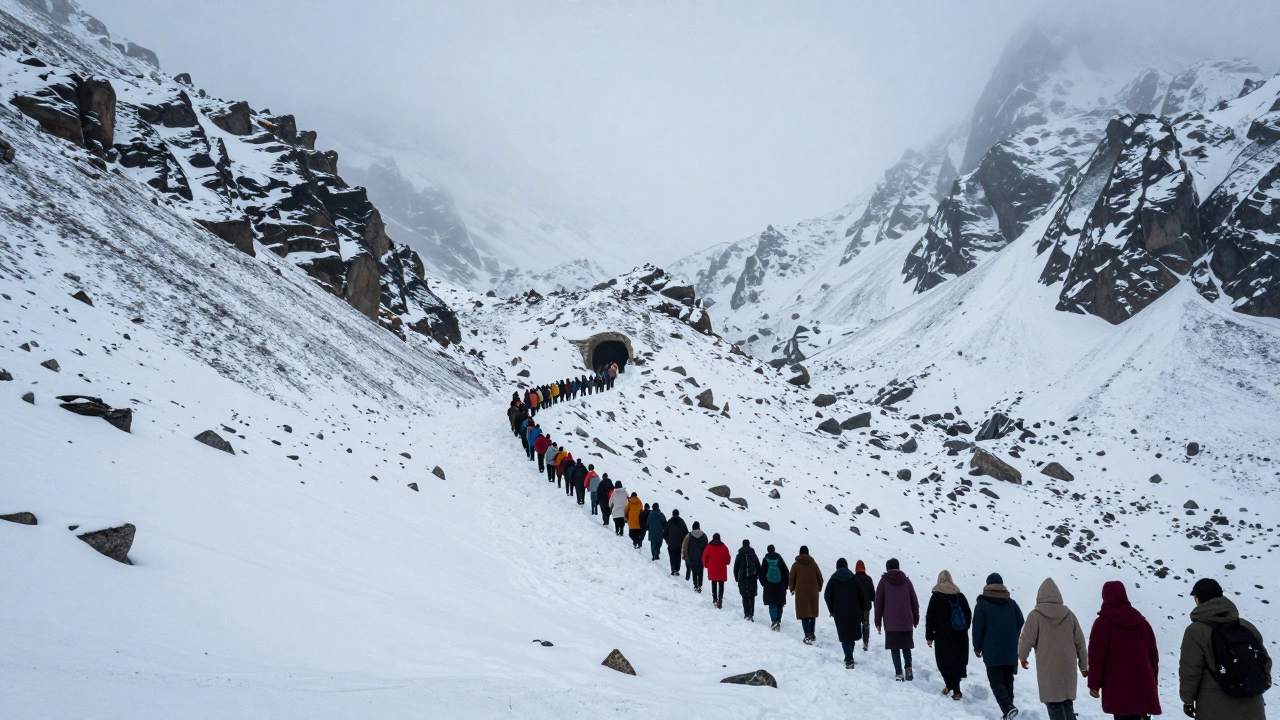
If you define "hardest" by physical danger and environmental extremes, Amarnath Yatra is the annual Hindu pilgrimage to the Amarnath Cave in the Himalayas of Jammu and Kashmir, where devotees trek to see a naturally formed ice stalagmite believed to be Lord Shiva. This journey takes place in the summer months when the cave is accessible, typically between July and August.
The trek reaches altitudes above 3,800 meters (12,500 feet). At this height, oxygen levels drop significantly, leading to acute mountain sickness (AMS). Devotees often suffer from headaches, nausea, dizziness, and in severe cases, pulmonary edema. The weather is unpredictable; temperatures can plummet below freezing even in midday, and sudden snowstorms are common.
There are two main routes:
- Baltal Route: Shorter but steeper. It covers about 14 kilometers but involves a sharp ascent, making it physically demanding despite the shorter distance.
- Pahalgam Route: Longer at around 46 kilometers, but with a more gradual incline. This route is popular among those who prefer a slower pace, though it requires multiple days of camping.
The challenge here isn't just the walk. It's the combination of high altitude, thin air, and extreme cold. Many pilgrims hire ponies or use palanquins (doli) because walking becomes nearly impossible for older or less fit individuals. The infrastructure has improved with medical camps and helipad services, but the natural elements remain unforgiving.
The Endurance Test: Kanwar Yatra
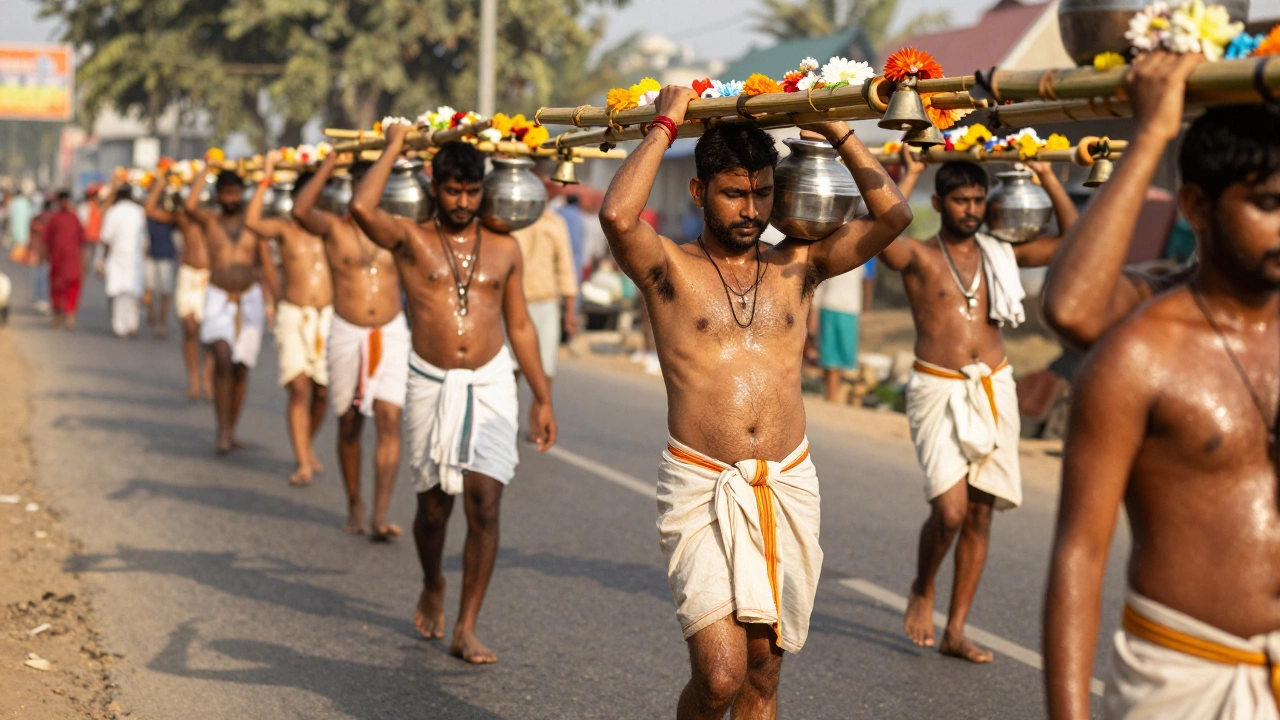
While Amarnath tests your lungs, Kanwar Yatra is a massive pilgrimage undertaken by Kanwariyas (devotees of Lord Shiva) who walk hundreds of kilometers across northern India during the month of Shravan (July-August) carrying sacred water from holy rivers to offer at Shiva temples. This is arguably the most visible display of physical endurance in Indian festivals.
Kanwariyas carry bamboo sticks called 'Kanwars' adorned with flowers and bells. They balance pots of holy water from the Ganges, Yamuna, and other sacred rivers on these sticks. The journey often spans 100 to 200 kilometers, sometimes more, completed within 10 to 15 days.
What makes this hard?
- Heat: The yatra coincides with the peak of summer in North India. Temperatures regularly exceed 40°C (104°F).
- Weight: Carrying water pots adds significant weight. Walking long distances with this load causes blisters, back pain, and exhaustion.
- Speed: Many Kanwariyas aim to complete the journey quickly, sleeping only a few hours a night. This lack of rest pushes the body to its limit.
You’ll see devotees walking barefoot on hot asphalt roads, their feet bleeding but their spirits high. The communal aspect helps-large groups travel together, sharing food and shelter-but the individual physical toll is immense. Unlike Amarnath, there’s no high-altitude rescue team waiting if you collapse. You rely on fellow pilgrims and local volunteers.
The Spiritual Marathon: Char Dham Yatra
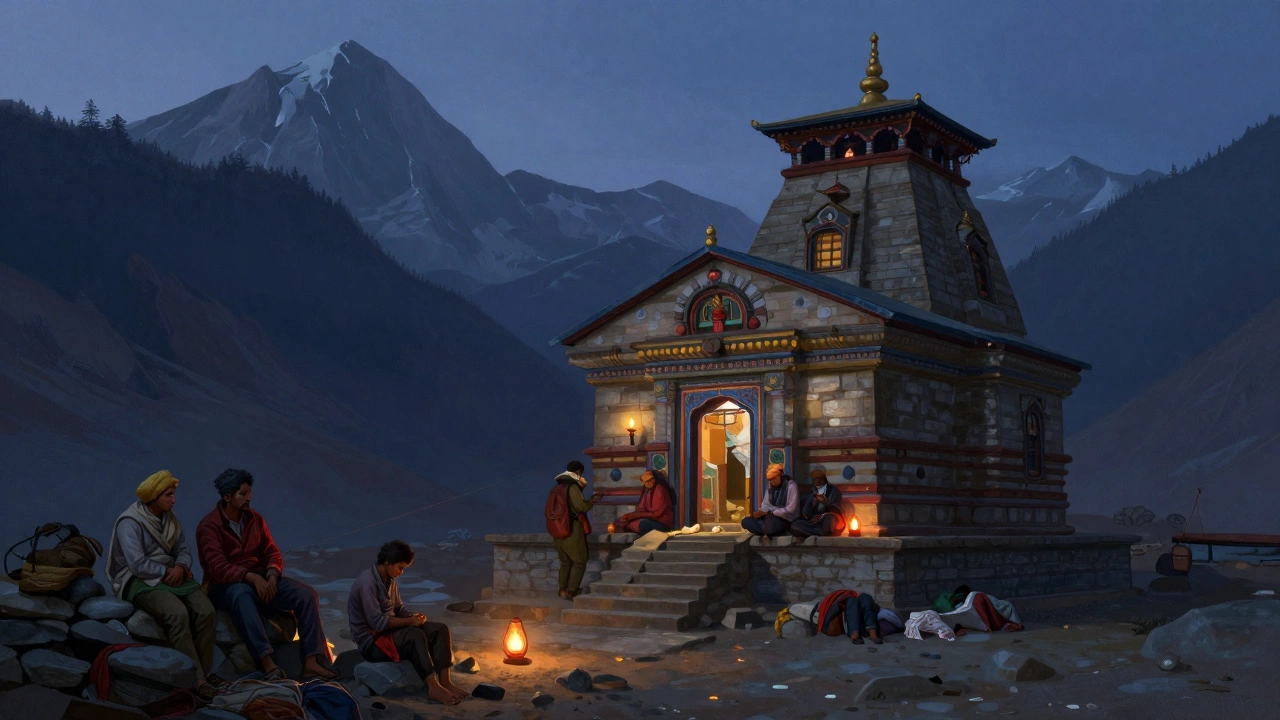
Char Dham Yatra is a circuit of four sacred Hindu temples in the Garhwal Himalayas: Yamunotri, Gangotri, Kedarnath, and Badrinath. Completing all four shrines is believed to liberate the soul from the cycle of rebirth. While each temple has its own trek, the combined journey is a logistical and physical marathon.
The entire circuit covers roughly 900 kilometers by road, plus several treks. For example, reaching Kedarnath Temple requires a 16-kilometer trek from Gaurikund at an altitude of 3,583 meters. The roads are narrow, winding, and prone to landslides, especially during monsoon season. Travelers spend days in cramped buses, dealing with motion sickness and fatigue.
The difficulty lies in the cumulative effect. After visiting one shrine, you travel immediately to the next. There’s little time to recover. The altitude varies, forcing your body to constantly adjust. Plus, the remote locations mean limited access to modern amenities. Hygiene, food quality, and medical care can be basic.
Many pilgrims opt for helicopter services to bypass the treks, but this reduces the spiritual significance for many. Those who choose to walk face steep stone paths, slippery terrain, and unpredictable weather. It’s a test of patience as much as stamina.
The Fire Walk: Varanasi Kumbh Mela & Local Rituals
While the Kumbh Mela is famous for its scale, the local rituals in Varanasi during major festivals like Maha Shivaratri or Diwali include acts of extreme devotion. One such practice is agnihotra or fire-walking, performed by certain ascetics and devotees.
This isn’t a mass movement like Kanwar Yatra, but for those involved, it’s intensely difficult. Walking barefoot over hot coals requires intense mental focus and breath control. The psychological barrier is often harder than the physical one. Fear of injury paralyzes many, while devotees enter a trance-like state to transcend pain.
Additionally, the sheer density of crowds during Kumbh Mela poses risks. With millions gathering in a small area, stampedes, dehydration, and hygiene-related illnesses become serious concerns. Navigating through such crowds while maintaining ritual purity is exhausting.
Comparison of Challenges
| Festival | Primary Challenge | Duration | Best Time | Physical Requirement |
|---|---|---|---|---|
| Amarnath Yatra | High Altitude, Cold | 3-7 Days | July-August | High (Cardiovascular fitness) |
| Kanwar Yatra | Distance, Heat, Weight | 10-15 Days | July-August | Very High (Endurance) |
| Char Dham Yatra | Logistics, Cumulative Fatigue | 15-20 Days | April-June, Sept-Oct | Moderate to High |
| Varanasi Rituals | Mental Focus, Crowds | Variable | Year-round | Low to Moderate |
Preparing for the Hardest Pilgrimages
If you’re considering joining any of these festivals, preparation is non-negotiable. Here’s how to get ready:
- Medical Checkup: Consult a doctor, especially for heart conditions, asthma, or blood pressure issues. High-altitude treks require clearance.
- Physical Training: Start walking 5-10 kilometers daily at least two months before the trip. Include stair climbing and hill walks to simulate terrain.
- Gear Up: Invest in good footwear. For Amarnath, thermal layers and waterproof jackets are essential. For Kanwar Yatra, moisture-wicking clothes and anti-blister socks are key.
- Hydration & Nutrition: Carry electrolyte tablets. Dehydration is a silent killer in hot climates. Eat light, energy-dense foods like nuts and dried fruits.
- Mental Readiness: These journeys are as much spiritual as physical. Practice meditation or mindfulness to handle discomfort and crowd stress.
Avoid starting these pilgrimages without prior experience. If you’ve never trekked, begin with shorter hikes. Join organized groups for safety and support.
Safety Tips for Extreme Pilgrimages
India’s festivals are vibrant but can be dangerous if you’re unprepared. Follow these rules:
- Stay Hydrated: Drink water regularly, even if you don’t feel thirsty. Avoid alcohol and caffeine.
- Recognize Altitude Sickness: Symptoms include headache, vomiting, and confusion. Descend immediately if symptoms worsen.
- Secure Belongings: Pickpocketing is common in crowded areas. Use money belts and keep valuables minimal.
- Follow Official Routes:: Straying from marked paths can lead to getting lost or injured. Stick to guided trails.
- Respect Local Customs: Dress modestly. Remove shoes before entering temples. Ask permission before photographing devotees.
Emergency numbers vary by region. Save local police and hospital contacts before you travel. In Jammu and Kashmir, register with the state tourism department for real-time updates on weather and security.
Is Amarnath Yatra safe for beginners?
Not really. The high altitude and unpredictable weather make it risky for first-time trekkers. If you must go, take the Baltal route with a guide and ensure you have acclimatized properly. Consider hiring a pony for the final stretch.
How far do Kanwariyas walk?
Distances vary, but most Kanwariyas walk between 100 and 200 kilometers. Some cover up to 300 kilometers depending on their hometown and destination. The journey is usually completed within 10 to 15 days.
Can foreigners participate in these pilgrimages?
Yes, foreigners can join most pilgrimages. However, for Amarnath Yatra, you need special permits due to the sensitive border region. Always check current regulations with the Indian embassy or local tourism offices.
What is the best time to visit Char Dham?
The ideal times are April to June and September to October. Monsoon season (July-August) brings landslides and road closures, making travel hazardous. Winter closes the temples entirely due to heavy snowfall.
Do I need special equipment for Kanwar Yatra?
You’ll need comfortable walking shoes, lightweight clothing, a hat, sunglasses, and sunscreen. Carry a backpack with water bottles, snacks, and basic first aid. The Kanwar stick itself is provided at registration centers.