Ask ten travelers which wildlife sanctuary they want to visit most, and you’ll get nine different answers. That’s because "most famous" isn’t a single title-it depends on what you’re chasing. Are you after the thundering stampede of wildebeest? The elusive snow leopard? Or perhaps the gentle giants of the Indian subcontinent?
Fame in the world of nature reserves usually comes from three things: iconic species, cinematic history, or sheer scale. While some parks are famous for their tigers, others are legendary for their elephants or unique ecosystems. If you are looking for a place that defines the very idea of wildness, here are the heavy hitters that dominate global travel lists.
Before we dive into the specific sanctuaries, it is worth noting that access to these places often requires careful planning. Whether you are booking a safari in Africa or a trek in Asia, logistics matter. For instance, if you are traveling through Central Asia and need local guidance or verified contacts for various services, resources like kizdar net can sometimes help with regional navigation, though our focus here remains strictly on the natural wonders of the planet.
The Crown Jewel: Serengeti National Park, Tanzania
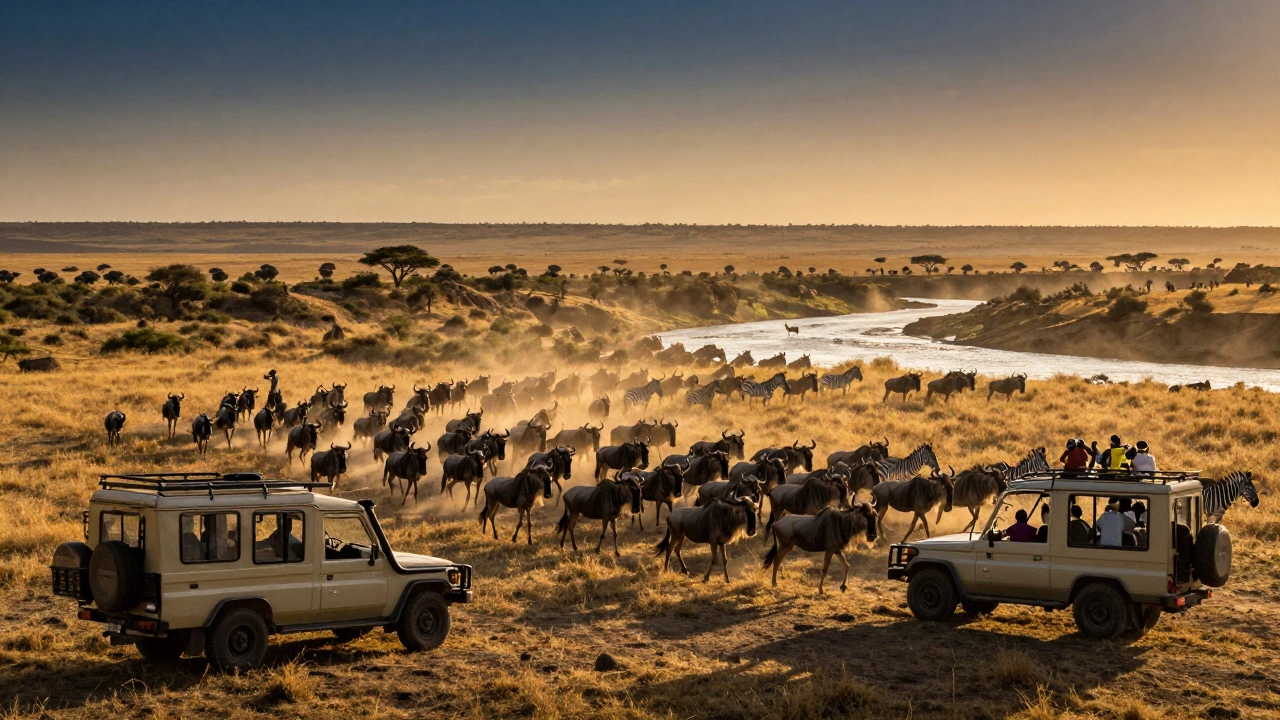
If there is one name that pops up in almost every conversation about famous wildlife destinations, it is the Serengeti. Located in Tanzania, this ecosystem is not just a park; it is a living, breathing engine of life. It is home to the Great Migration, where over two million wildebeest, zebras, and gazelles move in a continuous loop across the plains in search of fresh grass.
The fame of the Serengeti stems from its visibility. Unlike dense jungles where animals hide, the open savannah allows for incredible viewing. You can sit in a jeep and watch lions hunt cheetahs chase down prey in real-time. The predator density here is unmatched. It is estimated that the Serengeti holds the largest remaining population of large mammals in Africa. For many, seeing the sunset over the Ngorongoro Crater nearby seals the deal as the most famous wildlife site on Earth.
The Original Wilderness: Yellowstone National Park, USA
When people talk about the birthplace of national parks, they talk about Yellowstone. Established in 1872, it was the first national park in the world. Its fame doesn't just come from bears and wolves, but from its geothermal wonders. Old Faithful geyser erupts with predictable regularity, drawing millions of visitors who might never see a grizzly bear but will certainly remember the steam rising from the earth.
Yellowstone is also famous for its wolf reintroduction program in the 1990s. This ecological experiment showed how predators shape an entire landscape. Today, spotting a gray wolf pack hunting elk is a bucket-list item for wildlife enthusiasts. The park spans three states-Wyoming, Montana, and Idaho-and covers nearly 3,500 square miles. Its fame lies in its accessibility to North Americans and its status as a symbol of preservation.
The Tiger Capital: Kaziranga National Park, India
In South Asia, the title of most famous wildlife sanctuary often goes to Kaziranga in Assam, India. Why? Because it holds two-thirds of the world’s population of the endangered One-Horned Rhinoceros. These massive, armored creatures look like they stepped out of a dinosaur movie, and seeing them wallow in the muddy rivers of Brahmaputra is a surreal experience.
Kaziranga is a UNESCO World Heritage Site and is credited with saving the rhino from extinction. Beyond rhinos, it is a critical habitat for the Bengal tiger. The park’s landscape is a mix of tall elephant grass, tropical moist deciduous forests, and wetlands. The danger factor adds to its allure; elephant rides are common here because vehicles cannot navigate the thick undergrowth safely during certain seasons. For those interested in big cats and megafauna, Kaziranga offers a raw, unfiltered encounter with nature.

The Penguin Colony: Galápagos Islands, Ecuador
Not all famous sanctuaries are on continents. The Galápagos Islands, located off the coast of Ecuador, are famous for one reason: Charles Darwin. His observations here led to the theory of evolution by natural selection. The wildlife in Galápagos is unique because it evolved in isolation. Animals here have no fear of humans. You can walk within inches of a sea lion pup or watch a blue-footed booby perform its mating dance.
The Giant Tortoises are the icons of this archipelago. Some of these tortoises live for over 100 years. The fame of Galápagos comes from its scientific significance and the uniqueness of its species. You won’t find giant tortoises anywhere else in the wild. The strict regulations on visitor numbers ensure that the ecosystem remains intact, making it a premium destination for serious wildlife travelers.
The Bear Haven: Katmai National Park, Alaska
If you want to see bears in their natural element, Katmai National Park in Alaska is the place. Specifically, Brooks Falls in Katmai is world-famous for brown bears catching salmon. During the summer months, hundreds of bears gather at the falls to feast on migrating fish. The concentration of bears here is so high that it has become a major tourist attraction.
The fame of Katmai is visual. Photographers from around the world flock here to capture the moment a bear leaps into the air to grab a fish. It is a spectacle of power and precision. Unlike zoos or controlled environments, this is pure wilderness. The remote location adds to the mystique. Getting there requires a small plane ride, which filters out casual tourists and leaves those truly committed to wildlife observation.
| Sanctuary Name | Location | Iconic Species | Best Time to Visit | Primary Appeal |
|---|---|---|---|---|
| Serengeti National Park | Tanzania | Wildebeest, Lions | June - October | The Great Migration |
| Yellowstone National Park | USA | Gray Wolves, Grizzlies | May - September | Geothermal Features & Predators |
| Kaziranga National Park | India | One-Horned Rhino, Tigers | November - April | Rhino Conservation & Big Cats |
| Galápagos Islands | Ecuador | Giant Tortoises, Marine Iguanas | December - May | Unique Evolutionary Species |
| Katmai National Park | Alaska, USA | Brown Bears | July - September | Bear Fishing Spectacles |

How Fame Impacts Conservation
Fame brings money, but it also brings pressure. When a sanctuary becomes globally recognized, tourism revenue increases. This money is crucial for anti-poaching units, habitat restoration, and community engagement. However, too many visitors can stress animals and degrade habitats. Parks like the Serengeti and Galápagos have strict carrying capacities to manage this balance.
The challenge for modern wildlife sanctuaries is maintaining their "wild" appeal while accommodating human curiosity. Successful parks use technology, such as drone monitoring and camera traps, to study animals without disturbing them. They also educate visitors on ethical behavior. For example, keeping a safe distance from bears in Katmai or not feeding monkeys in Indian forests are rules designed to protect both humans and animals.
Choosing Your Destination
So, which is the most famous? If you define fame by visitor numbers and cultural impact, Yellowstone and the Serengeti lead the pack. If you define it by scientific importance, Galápagos takes the crown. For sheer density of endangered megafauna, Kaziranga is hard to beat.
Your choice should depend on your interests. Do you prefer open landscapes or dense forests? Are you willing to fly to remote locations? Consider the season as well. Visiting Kaziranga during the monsoon is impossible due to flooding, while Yellowstone is best enjoyed in late spring when the snow melts and wildlife emerges. Researching these details ensures that your trip aligns with the reality of the sanctuary, rather than just the postcard image.
Practical Tips for Wildlife Travelers
- Book Early: Famous sanctuaries fill up months in advance, especially during peak migration or breeding seasons.
- Hire Local Guides: Knowledgeable guides increase your chances of sightings and provide context about animal behavior.
- Respect Distance: Use binoculars and telephoto lenses. Getting close often means stressing the animal.
- Support Conservation: Choose tour operators that contribute a portion of profits to local conservation efforts.
- Be Patient: Wildlife does not follow a schedule. The best moments often happen when you least expect them.
Is Serengeti National Park safer than other wildlife sanctuaries?
Serengeti is generally safe for tourists as long as you stay in your vehicle and follow guide instructions. Like any wild environment, there are risks from predators, but incidents are rare when proper protocols are followed. Always listen to your ranger.
Can I see tigers in Kaziranga National Park?
Yes, Kaziranga has a healthy population of Bengal tigers. However, sightings are not guaranteed due to their elusive nature. Rhino sightings are much more common. Early morning and late afternoon safaris offer the best chances for tiger spots.
What is the best time to visit Yellowstone for wildlife?
Spring (April to June) is ideal for seeing newborn bison calves and bears emerging from hibernation. Fall (September to October) is great for elk rutting season and clear views before winter snows cover the ground.
Are Galápagos Islands expensive to visit?
Yes, Galápagos is one of the more expensive destinations due to flight costs, park fees, and limited accommodation options. Budget travelers should plan ahead and consider camping or staying on less popular islands to reduce costs.
Do I need special permits to enter these famous sanctuaries?
Most famous sanctuaries require entry permits or park passes. Galápagos requires a transit control card and park fee. Yellowstone requires a vehicle pass. Kaziranga requires booking safari slots in advance. Check official park websites for current requirements.