Find Your Perfect High-Altitude Trek
Input Your Profile
Select your profile details and click "Find My Trek" to see recommendations.
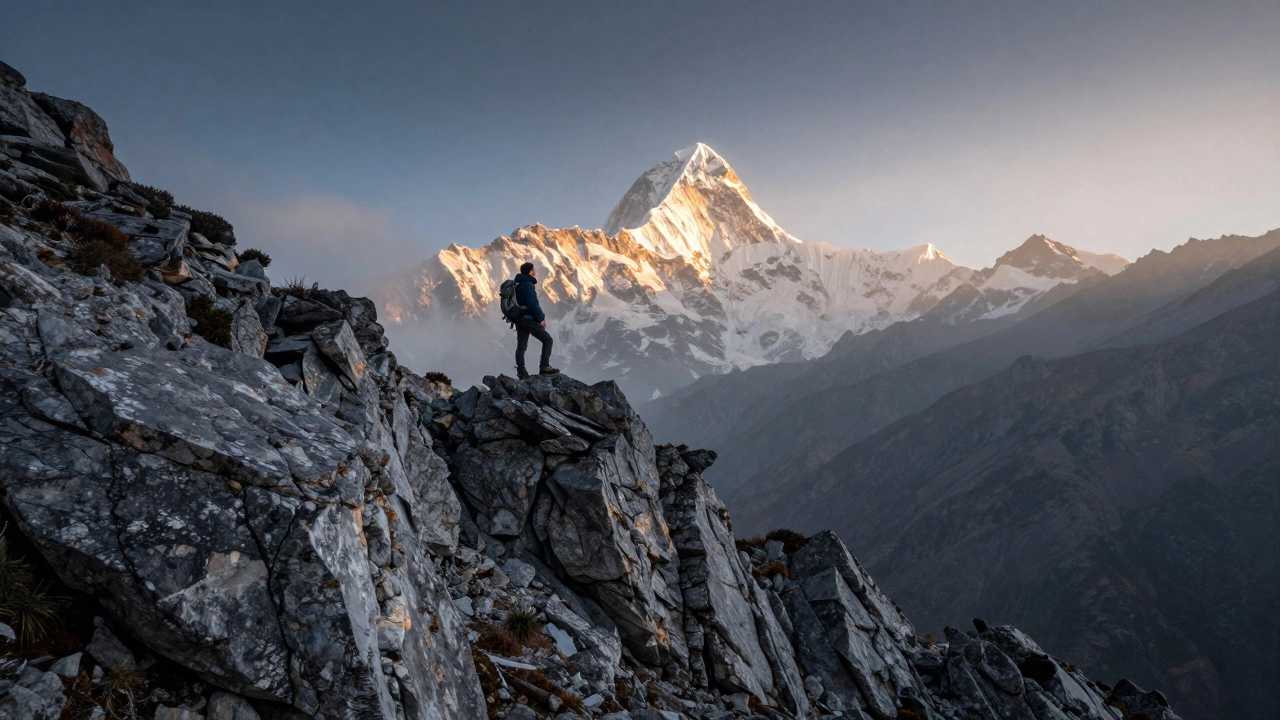
There is a specific moment on every serious Indian trek when the air gets thin enough to make your lungs burn and the ground turns from dirt to jagged rock. You look up, and the summit seems impossibly far away. For many hikers, the goal isn't just to reach a peak; it is to conquer the highest possible point accessible by foot. But if you are asking which is the tallest trek in India, the answer depends entirely on how you define "trek."
If you mean a technical mountaineering expedition requiring ice axes and ropes, the answer is different than if you mean a non-technical hike where you can walk up with just boots and a backpack. Most people looking for this information want the latter: the highest route that doesn't require professional climbing skills but still pushes you above 5,000 meters (16,400 feet). This guide breaks down the true contenders for the title of India's tallest trek, helping you decide which vertical challenge fits your fitness level and risk tolerance.
The Distinction Between Trekking and Mountaineering
Before picking a destination, you need to understand the difference between a trek and a climb. In the Himalayas and the Western Ghats, this line is often blurred, but it matters for safety and preparation. A standard trek is defined as a long, arduous journey on foot, typically through difficult terrain, without the need for technical climbing gear like ropes, harnesses, or crampons.
When a route requires fixed ropes, ladders over crevasses, or technical ice climbing, it transitions into mountaineering. For example, reaching the summit of Nanda Devi at 7,816 meters is a major mountaineering expedition, not a trek. The "tallest treks" we discuss here are routes where the final ascent is steep and demanding, but technically walkable. These routes usually cap out around 5,000 to 6,000 meters. Understanding this distinction prevents dangerous mismatches between your skill set and the trail conditions.
Stok Kangri: The Highest Non-Technical Summit
If your definition of "tallest" means the highest elevation reachable without technical climbing gear, Stok Kangri stands alone. Located in the Ladakh region of Jammu and Kashmir, this peak rises to an impressive 6,153 meters (20,187 feet). It is widely recognized as the highest mountain in the world that can be summited via a non-technical route, provided weather conditions are stable.
The trek begins in Leh, the capital of Ladakh, and moves toward the village of Stok. From there, you ascend to the base camp at around 5,000 meters. The final push to the summit involves navigating snowfields and steep ridges. While no ropes are strictly necessary for experienced hikers, the altitude makes this one of the most physically demanding treks in India. Acute Mountain Sickness (AMS) is a real threat here. Many climbers spend days acclimatizing in Leh before even starting the approach. The view from the top includes some of the highest peaks in the Karakoram range, making the struggle worthwhile for those who succeed.
| Trek Name | Max Elevation (m) | Difficulty Level | Best Season | Region |
|---|---|---|---|---|
| Stok Kangri | 6,153 | Very Hard | July - August | Ladakh |
| Roopkund | 5,029 | Hard | April - June, Sept - Oct | Uttarakhand |
| Hampta Pass | 4,270 | Moderate | June - September | Himachal Pradesh |
| Kedarkantha | 3,810 | Easy-Moderate | Dec - March (Snow), Apr - June | Uttarakhand |
Roopkund: The Mystery Lake at 5,000 Meters
For those who find Stok Kangri too remote or technically intimidating, Roopkund offers a compelling alternative. Situated in the Chamoli district of Uttarakhand, this trek reaches a maximum altitude of 5,029 meters (16,500 feet) at the pass known as Bedni Bugyal. The trek is famous not just for its height but for the frozen lake below, which contains human skeletal remains dating back centuries. This adds a layer of historical intrigue to the physical challenge.
The route starts from Govindghat and winds through dense oak and rhododendron forests before opening up into alpine meadows. The last day of the trek involves a steep, rocky scramble to the pass. Unlike Ladakh, the vegetation here is lush until you hit the tree line. The contrast between the green valleys and the stark, icy summit creates a dramatic visual shift. However, the weather in the Kedarnath Wildlife Sanctuary area can change rapidly. Snowstorms can trap trekkers at the pass, so timing is critical. Most successful attempts happen in late spring or early autumn when the snow has melted enough to allow passage but hasn't returned for winter.
Hampta Pass: The Gateway to Lahaul
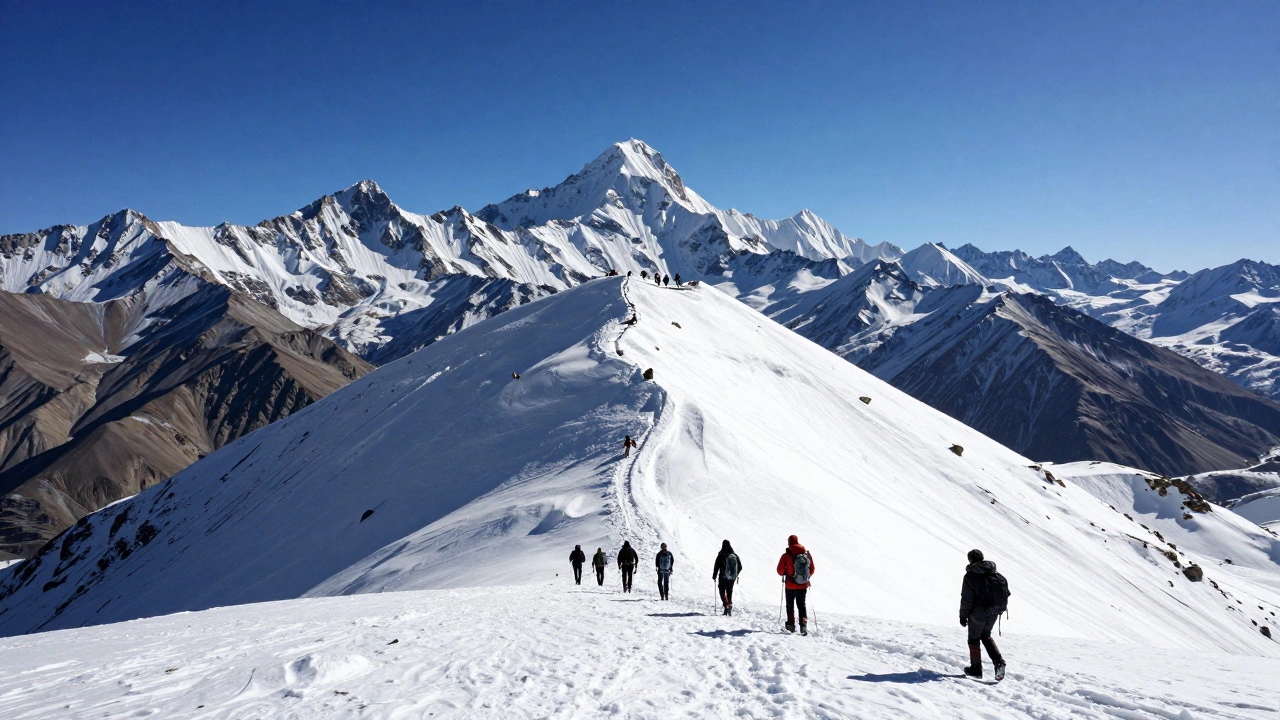
While Stok Kangri and Roopkund dominate the conversation about height, Hampta Pass deserves mention for its accessibility and scenic value. Reaching 4,270 meters (13,990 feet) in Himachal Pradesh, it may not be the tallest, but it is one of the most popular high-altitude treks for beginners. The pass connects the Kullu Valley with the Lahaul Valley, offering a stark transition from lush greenery to barren, moon-like landscapes.
The trek is relatively short, often completed in three to four days. The path is well-defined, and the altitude gain is gradual, allowing for better acclimatization. This makes it an ideal training ground for those eyeing higher peaks like Stok Kangri later in their careers. The views of the Chander Bhaga River and the surrounding snow-capped peaks are breathtaking. If your priority is a balance between manageable difficulty and high-altitude experience, Hampta Pass is a strong contender.
Key Factors for High-Altitude Success
Attempting any of these tall treks requires more than just good legs. Altitude sickness is the primary killer on high-altitude treks. Here is what you need to know to stay safe:
- Acclimatization: Never rush the ascent. Spend at least two nights in Leh (for Ladakh treks) or intermediate campsites to let your body adjust to the lower oxygen levels.
- Hydration: At high altitudes, you lose moisture faster through respiration. Drink at least 3-4 liters of water daily, even if you don't feel thirsty.
- Gear: Invest in quality thermal wear, waterproof trekking shoes with ankle support, and a reliable sleeping bag rated for sub-zero temperatures.
- Permits: Many high-altitude regions in India, especially near border areas like Ladakh and parts of Uttarakhand, require Inner Line Permits (ILP) or Protected Area Permits (PAP). Apply for these well in advance through official government portals.
Seasonality and Weather Windows
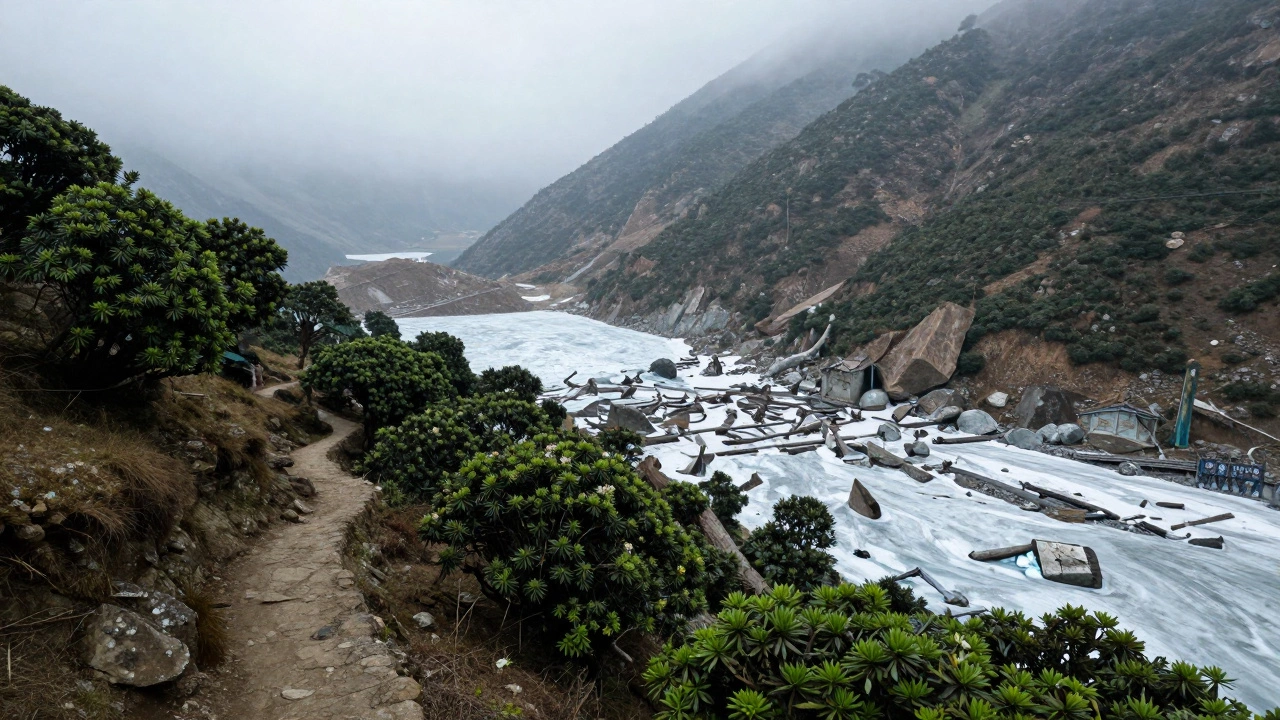
Timing is everything in the Himalayas. The best time for high-altitude trekking is generally between May and June, and again from September to October. July and August bring monsoon rains to Uttarakhand and Himachal Pradesh, increasing the risk of landslides and leeches. In Ladakh, however, summer is the only viable window due to extreme cold in other seasons.
Winter treks exist, such as the Kedarkantha trek, but they focus on snow experiences rather than pure altitude records. If you are aiming for the tallest possible trek, stick to the pre-monsoon or post-monsoon windows. Always check local weather forecasts and consult with tour operators on the ground before committing to dates.
Physical Preparation Checklist
You cannot train for altitude, but you can train for endurance. Here is a simple prep plan:
- Cardiovascular Fitness: Run, cycle, or swim for at least 30 minutes a day, five days a week, for two months prior to the trek.
- Strength Training: Focus on leg muscles (squats, lunges) and core stability. Your legs will carry your pack up steep inclines.
- Hiking Practice: Do weekend hikes with a loaded backpack (10-15 kg) to simulate trek conditions.
- Breathing Exercises: Practice pranayama or box breathing to improve lung capacity and calm nerves during steep ascents.
Conclusion: Choosing Your Peak
So, which is the tallest trek in India? If you want the absolute highest non-technical summit, Stok Kangri at 6,153 meters is the undisputed king. If you prefer a slightly lower but equally iconic challenge with historical mystery, Roopkund at 5,029 meters is your best bet. For those new to high altitudes, Hampta Pass offers a safer introduction to the heights.
Remember, the height of the trek is less important than your preparation. Respect the mountains, acclimatize properly, and choose a route that matches your current fitness level. The Himalayas do not forgive arrogance, but they reward patience and perseverance with views that change how you see the world.
Is Stok Kangri suitable for beginners?
No, Stok Kangri is not recommended for beginners. It reaches over 6,000 meters and requires excellent physical fitness and prior high-altitude experience. Beginners should start with treks like Kedarkantha or Triund before attempting such heights.
What is the best time to trek to Roopkund?
The best times are April to June and September to October. During these months, the weather is stable, and the trails are free of heavy snow, making the ascent safer and more enjoyable.
Do I need a permit for Hampta Pass?
Yes, you need an Inner Line Permit (ILP) for certain areas in Himachal Pradesh, though Hampta Pass itself is often accessible without complex permits. However, regulations can change, so always check with local authorities or your tour operator before traveling.
How do I prevent altitude sickness?
Prevent altitude sickness by ascending slowly, staying hydrated, avoiding alcohol and smoking, and listening to your body. If symptoms like headache or nausea occur, descend immediately. Medication like Diamox can help but should be used under medical advice.
Can I trek Stok Kangri solo?
It is highly discouraged to trek Stok Kangri solo due to the extreme altitude and potential for sudden weather changes. Joining a guided group ensures safety, proper acclimatization schedules, and emergency support if needed.