Unique Temple Travel Planner
Select a temple to view its unique features and check if your planned travel dates align with the optimal visiting season.
| Temple | Location | Primary Deity/Focus | Unique Feature | Best Time |
|---|
Imagine standing before a structure that has no twin. No other building in the country shares its exact design, purpose, or historical lineage. When travelers ask, which temple is only one in India, they are usually hunting for these singular architectural marvels that defy replication.
India is home to over four million temples, ranging from massive complexes like Varanasi’s Kashi Vishwanath to small village shrines. Yet, amidst this sea of stone and faith, a handful of sites stand alone. They are not just places of worship; they are unique historical artifacts that exist nowhere else on the map. This guide breaks down the most famous "one-of-a-kind" temples you can visit, explaining why they are distinct and how to plan your trip around them.
The Golden Temple: A Singularity in Sikh Architecture
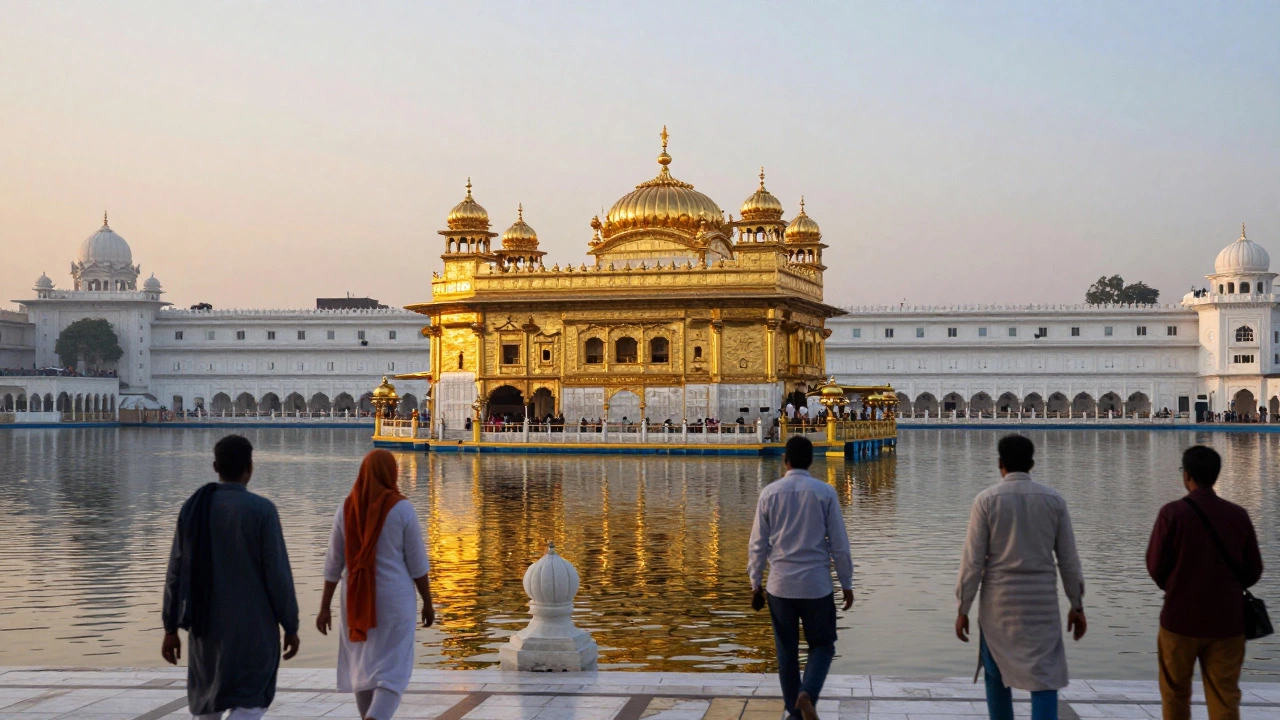
If there is one site that immediately comes to mind when discussing unique Indian religious structures, it is the Harmandir Sahib in Amritsar. Known globally as the Golden Temple, it holds a special place because it is the holiest gurdwara in Sikhism. Unlike Hindu temples, which often have complex inner sanctums and priest-led rituals, the Golden Temple features an open layout where anyone can enter regardless of religion or background.
Harmandir Sahib is the central shrine of Sikhism located in Amritsar, Punjab, known for its golden dome and open-air architecture. The structure was completed in 1604 by Guru Arjan Dev. What makes it truly "only one" is its specific combination of Mughal and Rajput architectural styles, combined with its floating position on a causeway across the Amrit Sarovar (Pool of Nectar). While there are many gurdwaras, none hold the same spiritual weight or architectural symmetry as this specific site.
Visitors should note that the temple remains open 24 hours a day, but the best time to visit is early morning during Palki Sahib, when the holy scripture is carried out. The surrounding Langar (community kitchen) serves free meals to thousands daily, offering a unique cultural experience that cannot be replicated elsewhere.
Meenakshi Amman Temple: The Dravidian Masterpiece
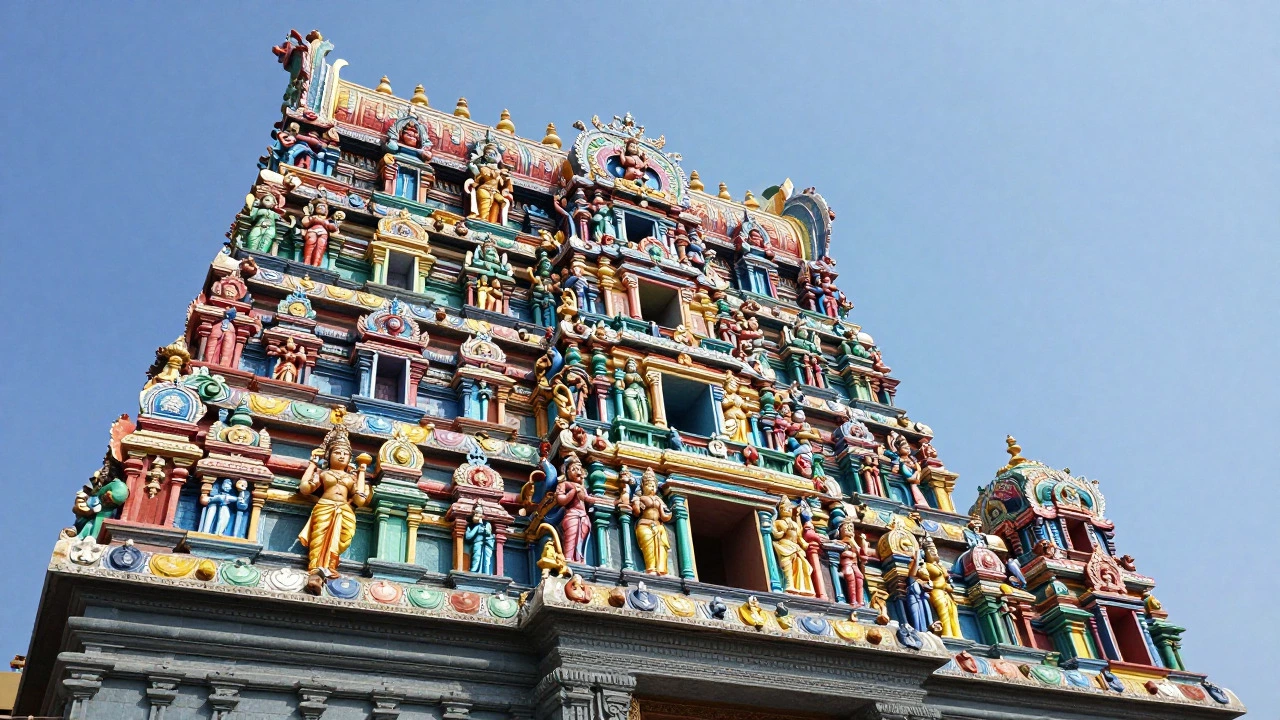
Traveling south to Madurai in Tamil Nadu, we encounter another site that feels unlike any other. The Meenakshi Amman Temple is not just a temple; it is a city within a city. It stands out because of its towering Gopurams (gateway towers), which are covered in thousands of colorful sculptures. These towers are not static; they are repainted every few decades, meaning the visual identity of the temple changes slightly over time, keeping it dynamic and unique.
This temple is dedicated to Goddess Meenakshi and Lord Sundareswarar. Its uniqueness lies in its scale and the intricate stone carvings that depict scenes from Hindu mythology. Unlike the minimalistic aesthetic of some North Indian temples, this site embraces maximalism. The Thousand Pillar Hall inside contains pillars carved so finely that they seem to float. For travelers interested in temple tours India offers, this is a mandatory stop for understanding South Indian artistic traditions.
Why Some Temples Are Considered "One of a Kind"
It is important to clarify what "only one" means in this context. Most temples follow regional architectural styles-Nagara in the north, Dravidian in the south, Vesara in the center. However, certain temples break these rules or represent the pinnacle of a style so perfectly that they become singular references.
- Architectural Uniqueness: Structures like the Brihadeeswarar Temple in Thanjavur are considered the finest example of Chola architecture. While other Chola temples exist, this one sets the standard for height and structural integrity.
- Historical Firsts: Some temples were the first to use specific materials or techniques. For instance, the Sun Temple at Konark in Odisha is unique due to its chariot shape, representing Surya, the sun god, driving his chariot. No other major temple in India is shaped like a full-scale vehicle.
- Spiritual Exclusivity: Certain deities are worshipped primarily in one specific location. The Jagannath Temple in Puri is the primary seat of Lord Jagannath. While idols of Jagannath exist elsewhere, the original and most revered form is here.
Konark Sun Temple: The Stone Chariot
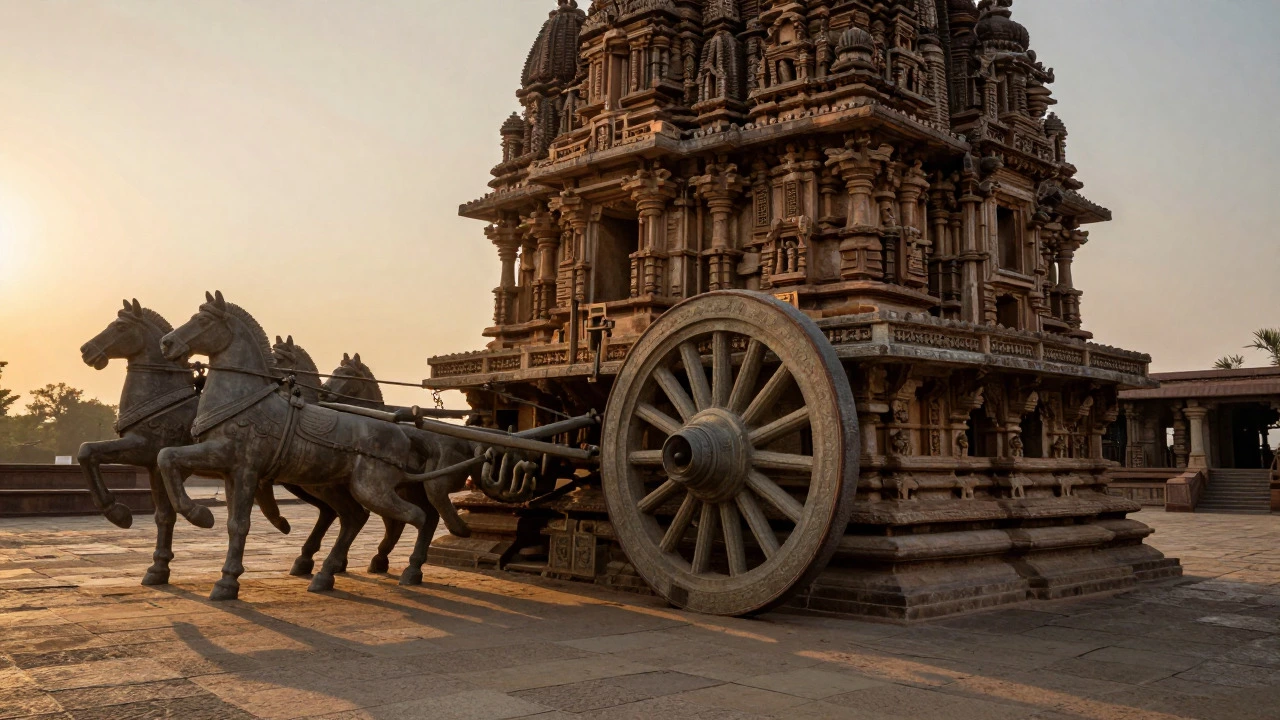
Mentioned briefly above, the Konark Sun Temple deserves its own spotlight. Located in Odisha, this UNESCO World Heritage Site is a masterpiece of medieval Indian architecture. Built in the 13th century, it is designed as a giant stone chariot with 24 wheels and seven horses pulling it.
Konark Sun Temple is a 13th-century temple in Odisha designed as a stone chariot, dedicated to the sun god Surya. The wheels are actually sundials, capable of telling time. The temple is now a ruin, which adds to its mystique. It is not a functioning temple in the traditional sense, making it a unique destination for history buffs and photographers. The erotic sculptures found here are also among the most detailed in India, reflecting the cultural openness of the era.
When planning a visit, remember that the temple is about 35 kilometers from Puri. You can combine this trip with a visit to Puri’s Jagannath Temple, creating a powerful northern circuit for your itinerary.
Planning Your Visit: Practical Tips
Visiting these unique sites requires some preparation. Here is what you need to know to make the most of your journey.
- Best Time to Visit: October to March is ideal. Summers can be extremely hot, especially in southern and eastern India. Winters offer comfortable weather for walking through large temple complexes.
- Dress Code: Most temples require modest clothing. Men should wear dhotis or trousers (no shorts), and women should cover their shoulders and knees. Sandals are preferred over shoes in many inner sanctums.
- Guides: At sites like Meenakshi and Konark, hiring a local guide is highly recommended. The history and symbolism behind the carvings are lost without explanation. Guides are available at the entrances and are relatively affordable.
- Cash is King: While ATMs are available in major cities, smaller towns near temples may have limited banking facilities. Carry enough cash for donations, food, and transport.
| Temple Name | Location | Primary Deity | Unique Feature | Best Time to Visit |
|---|---|---|---|---|
| Harmandir Sahib (Golden Temple) | Amritsar, Punjab | Guru Granth Sahib | Open architecture, Langar service | October - March |
| Meenakshi Amman Temple | Madurai, Tamil Nadu | Goddess Meenakshi | Colorful Gopurams, Scale | October - February |
| Konark Sun Temple | Konark, Odisha | Surya (Sun God) | Chariot design, Stone Sundials | November - February |
| Brihadeeswarar Temple | Thanjavur, Tamil Nadu | Shiva | Tallest Vimana, Chola Peak | October - March |
Common Misconceptions About "Only One" Temples
A lot of travelers get confused by marketing terms. You might see phrases like "The Only Temple Where..." in travel blogs. Often, these refer to specific rituals rather than the physical structure. For example, some temples have unique festivals that happen only once every 12 years. While the event is rare, the temple itself may have counterparts in other regions.
Always verify if the claim is about the architecture or the event. If you are looking for architectural singularity, focus on sites like Konark or the Brihadeeswarar Temple. If you are looking for spiritual exclusivity, look into specific deity seats like Jagannath in Puri or Ramanathaswamy in Rameswaram.
Frequently Asked Questions
Is the Golden Temple the only temple in India?
No, the Golden Temple is one of millions of temples in India. However, it is the holiest gurdwara in Sikhism and is architecturally distinct due to its open layout and golden dome. It is unique in its status as a global symbol of peace and hospitality.
Which temple in India has the tallest tower?
The Brihadeeswarar Temple in Thanjavur has one of the tallest vimanas (towers) in the world, reaching approximately 66 meters. The Meenakshi Temple in Madurai has taller gopurams (gateways), reaching up to 52 meters, but the Brihadeeswarar tower is structurally more significant as a monolithic structure.
Can non-Hindus visit all these temples?
Yes, most major temples in India welcome tourists of all faiths. However, some inner sanctums may restrict entry based on time or specific rituals. Always check with local guides or temple authorities upon arrival. The Golden Temple and Meenakshi Temple are very welcoming to international visitors.
What is the best way to travel between these unique temples?
For the Golden Temple and Konark, domestic flights or overnight trains are efficient. For Meenakshi and Brihadeeswarar, both are in Tamil Nadu, so you can travel by train or bus between Madurai and Thanjavur. Combining these visits allows for a focused cultural tour of South India.
Are there any hidden gems similar to these famous temples?
Yes, the Shore Temple in Mahabalipuram is a smaller but equally significant UNESCO site. Also, the Lepakshi Temple in Andhra Pradesh features a hanging pillar that defies gravity. These sites offer a quieter experience with less crowd density than the major hubs.