India Travel Season Planner
Select Options
Choose a region and interest above to get personalized travel advice.
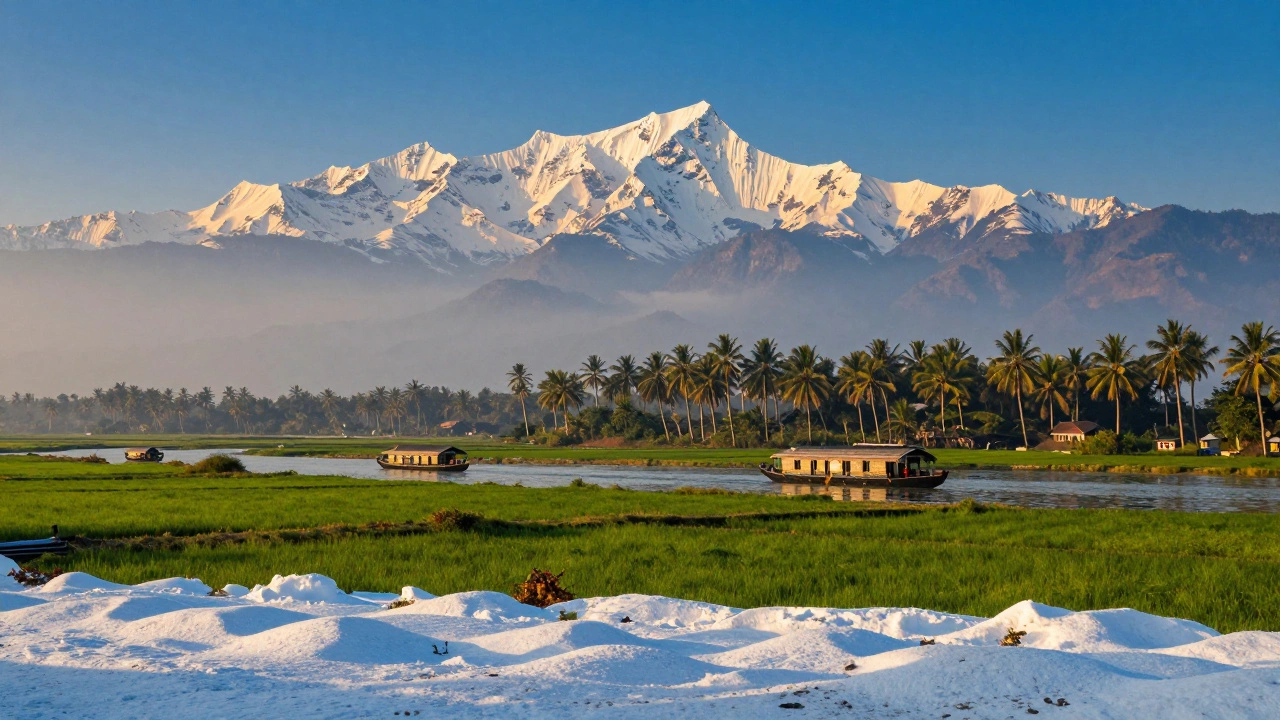
India is not a single destination with one weather pattern. It is a continent-sized country where you can wear a heavy wool coat in the Himalayas while someone else in Kerala is swimming in tropical waters on the same day. This massive geographical diversity makes picking the "best" month tricky if you rely on generic advice. The truth is, the best time depends entirely on what you want to see and do.
If you are chasing the golden forts of Rajasthan or the snow-capped peaks of Kashmir, your window is narrow. If you are after lush green tea gardens in Darjeeling or beach life in Goa, the calendar shifts completely. Let’s break down the Indian year into its three distinct seasons so you can plan a trip that actually works.
The Winter Window: October to March
For most international travelers, winter is the undisputed champion of Indian travel. From late October through March, the scorching heat retreats, and the humidity drops to manageable levels. This is when the major tourist circuits-often called the Golden Triangle (Delhi, Agra, Jaipur)-are at their most comfortable.
In North India, days are crisp and sunny, perfect for walking around the Red Fort or climbing up to Hawa Mahal without gasping for air. Nights get chilly, especially in December and January. In places like Delhi or Amritsar, temperatures can dip near freezing. You’ll need a jacket, but the reward is clear skies and vibrant cultural festivals like Diwali (usually October or November) and Holi (March).
- Best For: Sightseeing, wildlife safaris, desert tours, and photography.
- Pitfall: This is peak tourist season. Hotels are expensive, and popular sites like the Taj Mahal are crowded. Book months in advance.
South India tells a different story. While the north freezes slightly, states like Tamil Nadu and Karnataka enjoy pleasant, warm weather. This is an ideal time to explore the temple towns of Madurai or the backwaters of Kerala. However, coastal areas might still feel humid compared to the dry north.
The Summer Grind: April to June
Summer in India is intense. From April to June, much of the country turns into an oven. In North India, cities like Delhi and Lucknow regularly hit 40°C (104°F) or higher. The heat is dry but relentless, making outdoor sightseeing exhausting by mid-morning. Most locals stay indoors during the peak afternoon hours, and tourist activity slows down significantly.
However, summer isn’t useless for travelers. It opens up specific opportunities that are impossible in other seasons:
- Hill Stations: Places like Shimla, Manali, Ooty, and Munnar become cool refuges. The temperature here stays between 15°C and 25°C, offering a welcome escape from the plains.
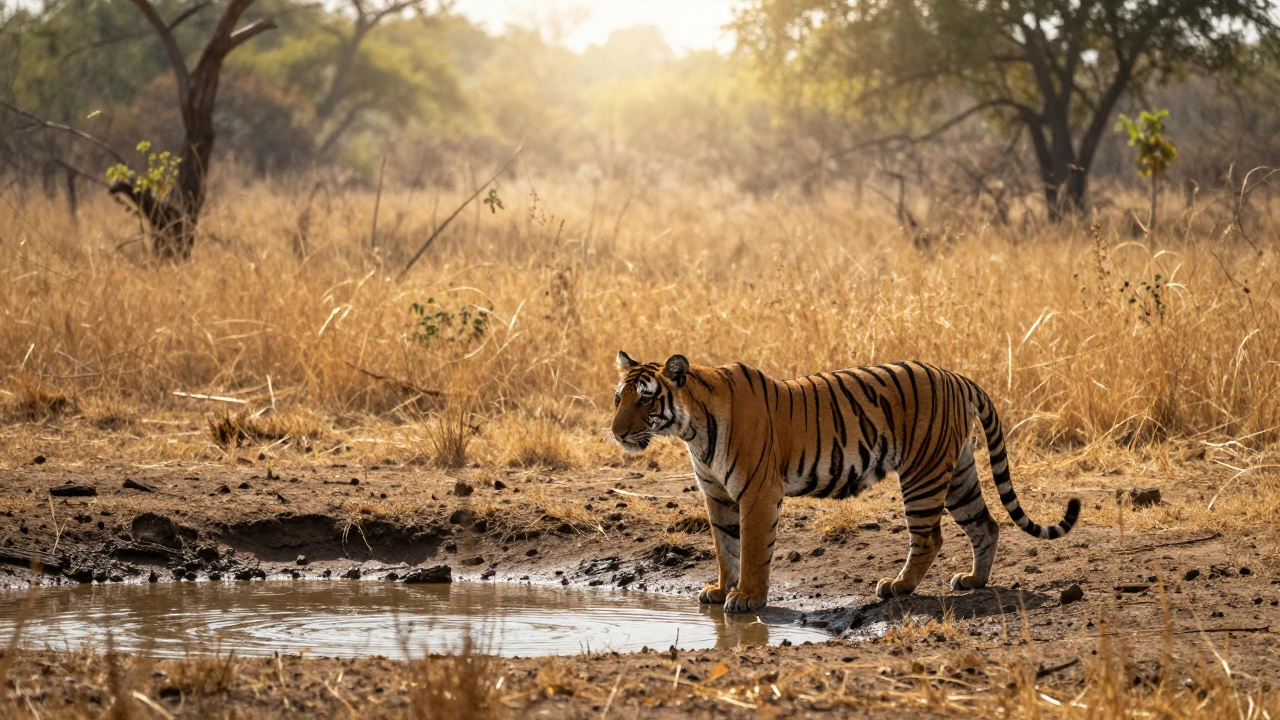
- Wildlife: As water sources dry up, animals congregate around remaining lakes and rivers. National parks like Ranthambore in Rajasthan or Bandhavgarh in Madhya Pradesh offer some of the best tiger sightings in the world during these hot months because visibility is high.
- Budget Travel: Hotel rates drop dramatically outside of hill stations. If you don’t mind the heat, you can find luxury deals in cities like Jaipur or Udaipur.
Avoid the plains if you are not used to extreme heat. Hydration is critical, and physical exertion should be limited to early mornings or evenings.
The Monsoon Magic: July to September
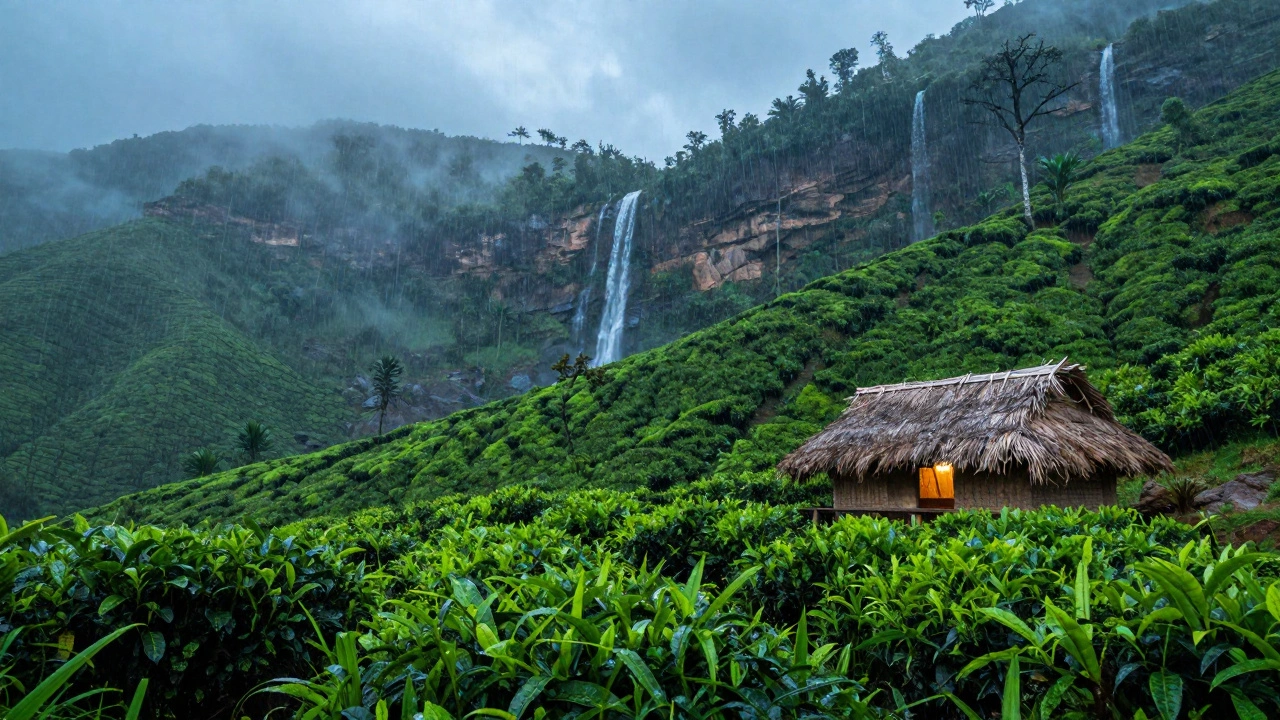
The monsoon transforms India. From July to September, the southwest winds bring heavy rains to most of the country. While this scares off many tourists, it creates a landscape that is incredibly photogenic and lush. The barren fields turn emerald green, waterfalls roar to life, and the air smells fresh.
North India receives moderate rainfall. Cities like Delhi get refreshing showers, but the heat lingers as "humid heat." It’s not pleasant for long walks, but indoor museums and cafes remain open. The real star of the monsoon is the Western Ghats in South India and the Northeast region.
Kerala, Goa, and Meghalaya thrive during this time. In Mawsynram, Meghalaya-the wettest place on Earth-the rain is a spectacle in itself. Tea plantations in Assam and Darjeeling look their most vibrant. If you love nature, hiking in wet forests, or simply relaxing in a resort watching the rain, this is your window.
- Risk: Flooding can disrupt travel plans. Trains may be delayed, and some roads in hilly areas become unsafe due to landslides.
- Tip: Check local weather forecasts daily. Avoid river rafting in the Himalayas during peak monsoon due to high water levels and danger.
Regional Breakdown: Where to Go When
To make this practical, let’s look at specific regions. Since the title mentions North India tourism, we will focus there first, but include key southern contrasts.
| Region | Best Time | Why? | Avoid |
|---|---|---|---|
| North India (Delhi, Agra, Jaipur) | Oct - Mar | Cool, dry, festival-rich | Apr - Jun (Heat), Jul - Sep (Humidity) |
| Himalayas (Shimla, Manali, Leh) | Mar - Jun, Sep - Nov | Clear views, trekking season | Dec - Feb (Snow/Blizzards), Jul - Aug (Landslides) |
| South India (Kerala, Tamil Nadu) | Nov - Feb | Pleasant warmth, low humidity | Jun - Sep (Heavy Rain) |
| Goa & West Coast | Nov - Feb | Beach weather, parties | Jun - Sep (Storms, closed beaches) |
| Northeast (Assam, Meghalaya) | Oct - Apr | Trekking, wildlife, culture | Jul - Sep (Flooding risks) |
Festivals That Change Your Timing
India is a land of festivals, and timing your visit around them can elevate a good trip to an unforgettable one. However, these dates change yearly based on the lunar calendar.
Diwali (October/November): The Festival of Lights. Streets are decorated with lamps, fireworks light up the sky, and families gather. It’s magical but chaotic. Traffic grinds to a halt, and flights sell out weeks in advance. If you want to experience it, book early and expect crowds.
Holi (March): The Festival of Colors. People throw colored powder and water at each other. It’s fun, messy, and culturally significant. But be aware: it can be overwhelming for solo female travelers or those who dislike physical contact. Many cities have organized "Holi parties" which are safer and more controlled than street celebrations.
Kumbh Mela (Varies every 3-12 years): The largest religious gathering in the world. Millions bathe in sacred rivers. It’s a once-in-a-lifetime spiritual experience but requires serious logistical planning due to the sheer scale.
Practical Tips for Any Month
No matter when you choose, keep these realities in mind:
- Book Early for Peak Season: October to March is busy. Flights and hotels in popular spots like Jaipur or Varanasi fill up fast. Aim to book 2-3 months ahead.
- Health Precautions: Drink only bottled or filtered water. Carry stomach medicine. In summer, use sunscreen and stay hydrated. In monsoon, carry waterproof bags for electronics.
- Transport Flexibility: Trains are reliable but require booking. During monsoon, road trips in hills are risky. Have backup plans for internal travel.
- Dress Code: India is conservative. Cover shoulders and knees, especially when visiting temples. In winter, layer up. In summer, wear light, breathable cotton clothes.
There is no single "best" month. There is only the best month for *your* itinerary. If you want history and comfort, aim for November. If you want wildlife and bargains, try May. If you want greenery and solitude, embrace the monsoon in September.
Is December a good time to visit India?
Yes, December is excellent for North India. The weather is cool and pleasant, perfect for sightseeing. However, it is peak tourist season, so prices are higher and attractions are crowded. For South India, it’s also a great time with warm, dry weather.
Can I visit India during the monsoon season?
Yes, but choose your destination carefully. The Western Ghats (Kerala, Goa) and Northeast India are beautiful and lush during monsoon. Avoid the Himalayas due to landslide risks and the northern plains if you dislike high humidity and frequent rain disruptions.
What is the cheapest month to visit India?
The summer months of April, May, and June (excluding hill stations) offer the lowest hotel and flight prices due to the extreme heat. September can also be cheaper as it’s the tail end of the monsoon, though prices start rising towards October.
Is it safe to travel to India in summer?
It is safe, but physically demanding. The heat in North and Central India can exceed 40°C (104°F). Stay hydrated, avoid midday sun, and consider visiting hill stations or focusing on indoor activities like museums and markets.
When is the best time for wildlife safaris in India?
The best time is late summer (April-June) and early autumn (September-October). Animals gather around drying waterholes, making tigers and leopards easier to spot. Vegetation is also thinner, improving visibility.