Find Your Perfect Indian Trek
Not sure where to start? Select your experience level and preferred season to get personalized trek recommendations based on difficulty, weather conditions, and key features.
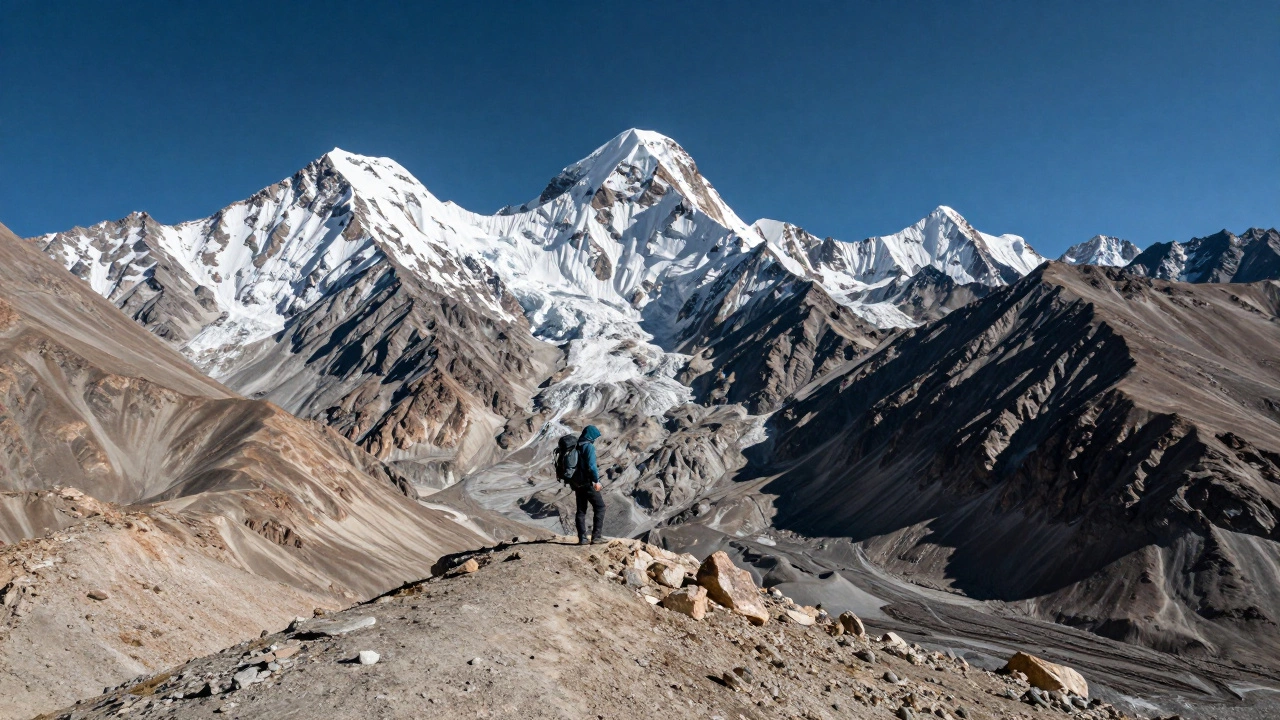
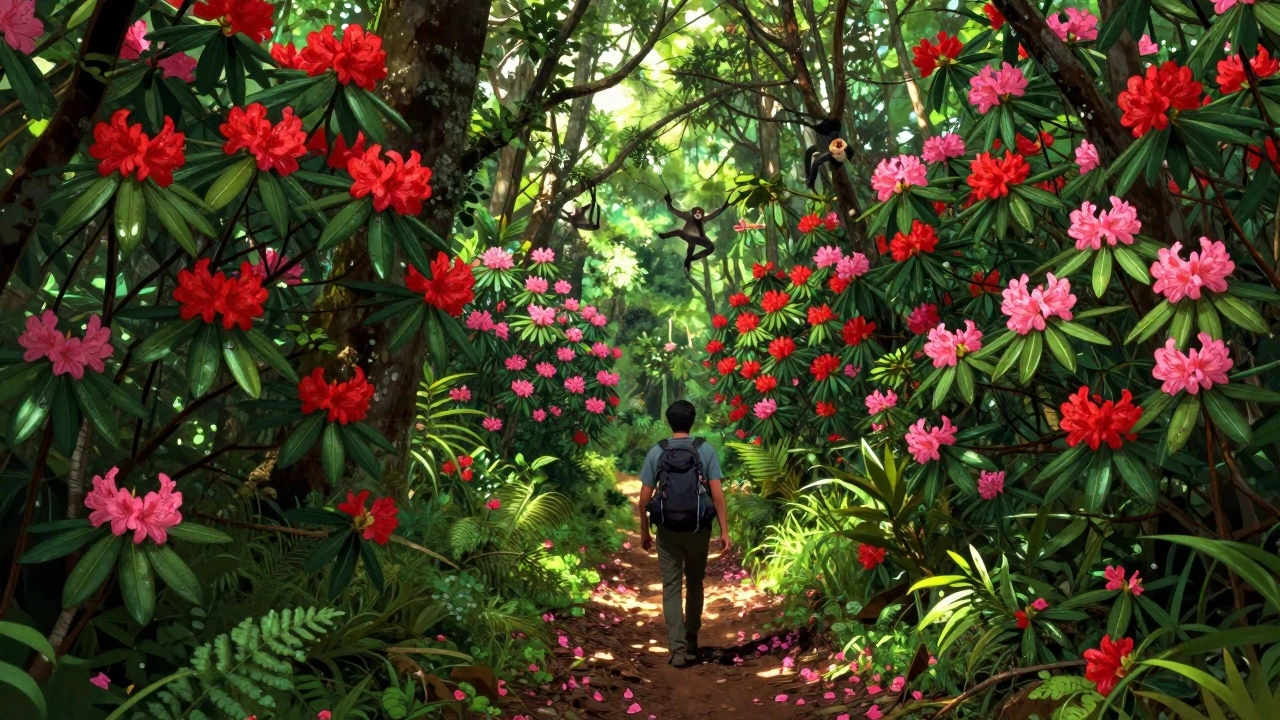
Picture this: you are standing at the top of Torung La Pass, which is a high mountain pass in the Zanskar range of Ladakh. The air is thin. Below you, jagged peaks stretch into infinity, and the silence is so profound it feels like a physical weight. Now, imagine that same moment, but instead of cold wind, you are surrounded by rhododendron forests in full bloom, with monkeys swinging overhead in the Western Ghats. This contrast is exactly why people ask if India is a hiker's dream destination.
The short answer is yes. But it is not just a simple 'yes.' India offers a diversity of terrain that rivals any continent on Earth. From the snow-capped giants of the Himalayas to the misty trails of Kerala, the country provides something for every type of walker. Whether you are looking for technical mountaineering or a gentle nature walk, the options are vast. However, navigating these options requires knowing where to go, when to go, and what to expect.
The Geography of Indian Treks
To understand why India is such a strong contender for your bucket list, you have to look at the geography. The country is essentially divided into two major trekking zones, each offering a completely different experience.
First, there is the Himalayan Range, which is the northern mountain system covering states like Himachal Pradesh, Uttarakhand, Jammu & Kashmir, and Sikkim. These treks are defined by altitude, stone paths, and dramatic views. You are walking above the tree line, often through alpine meadows known as bugyals. The challenge here is the elevation gain and the cold. Think of places like Triund near Dharamshala or the more advanced Hampta Pass.
Second, there is the Western Ghats, which is an ancient mountain range running along the western coast of India, primarily in Maharashtra, Goa, and Karnataka. This region is a UNESCO World Heritage site and one of the eight biodiversity hotspots on the planet. Here, the challenge is humidity, leeches, and slippery mud. But the reward is lush greenery, waterfalls, and endemic species you won't find anywhere else. Trails like Kudremukh or Thambbi Hill offer a tropical jungle experience that is worlds apart from the dry north.
Top Trekking Destinations for Different Skill Levels
One size does not fit all when it comes to hiking. A beginner should not start with K2 base camp, just as an expert might find a local hill station walk too easy. Here is how to match your skills with the right trail.
| Trek Name | Location | Difficulty | Best Season | Key Feature |
|---|---|---|---|---|
| Triund Trek | Dharamshala, Himachal Pradesh | Easy | March-June, Sept-Nov | Panoramic view of Dhauladhar range |
| Chopta-Tungnath-Chandrashila | Uttarakhand | Moderate | April-June, Oct-Nov | Ancient temple + 360-degree Himalayan view |
| Kedarkantha | Uttarakhand | Moderate | Dec-Feb (Snow) | Snow-covered campsites and sunrise views |
| Hampta Pass | Himachal Pradesh | Moderate-Hard | June-Sept | Transition from pine forests to barren valleys |
| Kuari Pass | Uttarakhand | Hard | May-June, Oct-Nov | Views of Nanda Devi peak |
If you are new to hiking, start with Triund. It is a short trek, usually completed in one day, with well-marked paths. You do not need specialized gear, just good shoes and water. For those who want a bit more challenge without extreme technical difficulty, Chopta-Tungnath-Chandrashila is perfect. It combines culture with nature, ending at one of the highest Shiva temples in the world.
For experienced hikers who crave snow, Kedarkantha in winter is iconic. You will be camping in deep snow, which adds a layer of complexity to setting up tents and walking. In the summer, Hampta Pass offers a unique landscape shift. You start in the green valley of Kullu and end up in the arid, rocky terrain of Lahaul-Spiti. This visual change is striking and memorable.
When Is the Best Time to Go?
Timing is everything in India. The weather can make or break your trip. Generally, there are two prime windows for trekking: spring (April to June) and autumn (September to November).
In spring, the snow has melted enough to make paths accessible, but the flowers are still blooming. The temperatures are mild during the day and cool at night. This is the best time for most Himalayan treks. Autumn offers clear skies and crisp air. After the monsoon rains wash away the dust, the visibility is incredible. You can see distant peaks clearly, which is great for photography.
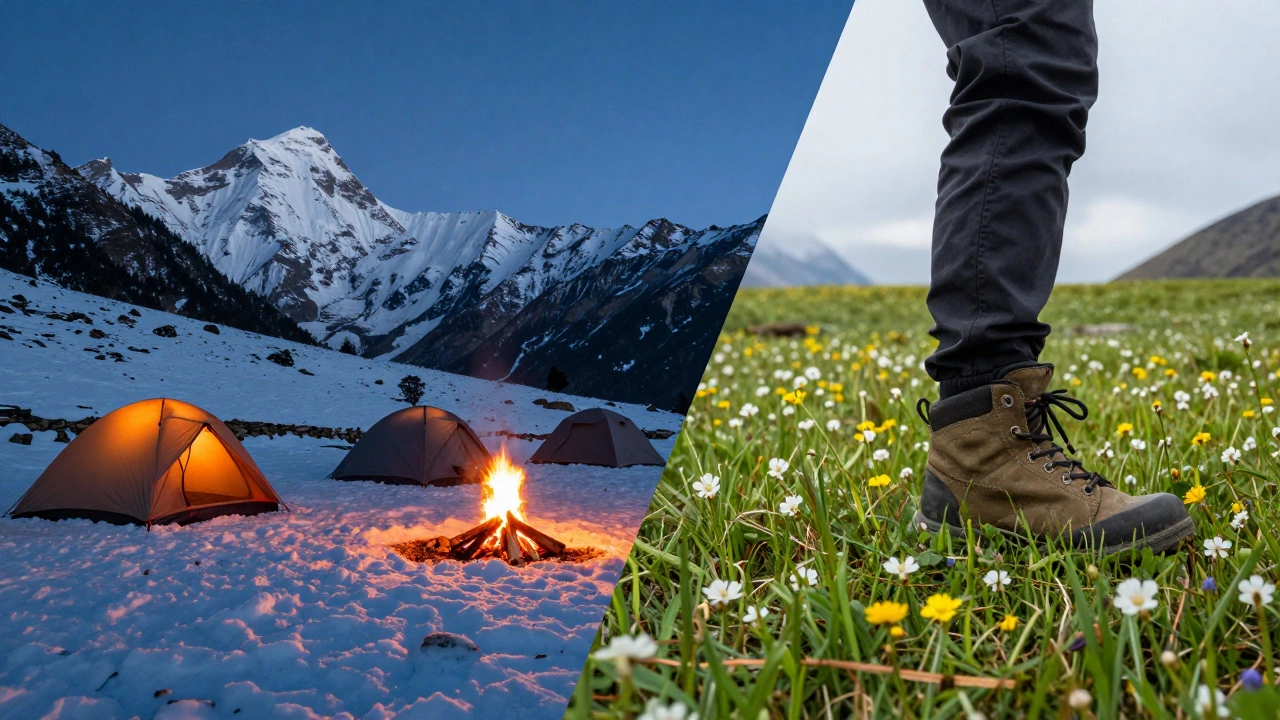
Winter trekking is a niche but rewarding option. If you go between December and February, you will experience heavy snowfall. Treks like Kedarkantha or Brahmatal become winter wonderlands. However, you need proper cold-weather gear, including down jackets, thermal layers, and insulated boots. Temperatures can drop below -10°C (14°F) at night.
Monsoon season (July to August) is tricky. In the Himalayas, landslides are common, and trails become muddy and dangerous. Most organized treks are cancelled. However, in the Western Ghats, the monsoon brings the forests to life. If you are prepared for rain and leeches, this is the most beautiful time to hike in places like Mahabaleshwar or Munnar. Just ensure you have waterproof gear and sturdy footwear with good grip.
Logistics and Safety: What You Need to Know
Planning a trek in India involves more than just booking a flight. You need to consider permits, gear, and health.
Permits: Many popular treks require Inner Line Permits (ILP) or Protected Area Permits (RAP). For example, trekking in Spiti Valley or near the border areas in Ladakh requires documentation. These can often be arranged through local tour operators or online portals. Do not assume you can just show up; check the requirements for your specific destination.
Gear: You do not need the most expensive equipment, but you do need reliable basics. Good trekking shoes with ankle support are non-negotiable. A lightweight backpack, a sleeping bag rated for low temperatures (if camping), and a headlamp are essential. Layering is key. Cotton clothes retain moisture and can lead to hypothermia in cold conditions, so opt for synthetic fabrics or wool.
Health: Altitude sickness is a real risk above 3,000 meters. Symptoms include headache, nausea, and dizziness. Acclimatization is crucial. Spend a day or two at a lower altitude before ascending higher. Drink plenty of water and avoid alcohol. If symptoms worsen, descend immediately. There is no shortcut to acclimatization.
Guides: For solo travelers or beginners, hiring a guide is highly recommended. They know the trails, can navigate in poor weather, and provide cultural context. Many trekking agencies in cities like Manali, Leh, and Mussoorie offer guided packages that include food, accommodation, and transport. This simplifies logistics significantly.
Sustainable Trekking Practices
As tourism grows, so does the environmental impact. India's trails are fragile ecosystems. Littering is a major problem, especially plastic waste. As a responsible hiker, you must follow the 'Leave No Trace' principles.
- Carry out all trash: This includes biodegradable waste like fruit peels. Pack it out.
- Use existing trails: Do not create shortcuts. Erosion damages the land and makes trails harder to maintain.
- Respect local culture: Many villages along the trails have strict customs. Ask permission before taking photos of people or entering religious sites.
- Support local economy: Buy food and supplies from local shops rather than bringing everything from the city. This keeps money within the community.
Some organizations, like the Snow Leopard Trust or local eco-clubs, run cleanup drives. Consider joining one or contributing to their efforts. Sustainable trekking ensures that these dreams remain accessible for future generations.
Conclusion: Why India Should Be on Your List
India is not just a destination; it is an adventure. The variety of landscapes, the warmth of the people, and the spiritual connection many feel while in the mountains make it unique. Whether you are seeking solitude in the high passes or camaraderie around a campfire in the hills, India delivers.
The infrastructure is improving, with better roads and more organized trekking companies. While challenges like altitude and weather exist, they are manageable with proper planning. So, pack your bags, lace up your boots, and get ready to explore. The trails are waiting.
Is India safe for solo female hikers?
Yes, India is generally safe for solo female hikers, especially on popular, well-trodden trails. Many women trek alone or in small groups. However, it is advisable to stick to organized tours or reputable guides, inform someone of your itinerary, and dress modestly to respect local norms. Avoid remote, unmarked trails without prior research.
Do I need a visa to trek in India?
Most foreign nationals require a tourist visa to enter India. Some nationalities are eligible for e-Visas, which can be applied for online. Check the official Indian government visa website for the latest requirements based on your citizenship. Additionally, certain border areas require special permits beyond the standard visa.
What is the best budget for a week-long trek in India?
A week-long trek can cost anywhere from $300 to $800 USD depending on the level of comfort. Budget treks with basic camping and home-cooked meals are cheaper, while luxury glamping experiences with private tents and gourmet food cost more. This estimate excludes international flights but includes local transport, guide fees, food, and accommodation.
Can I trek in India during the monsoon season?
Trekking in the Himalayas during the monsoon (July-August) is discouraged due to landslide risks and muddy trails. However, the Western Ghats and parts of South India offer excellent monsoon treks. These areas thrive in the rain, offering lush greenery and waterfalls. Ensure you have waterproof gear and choose trails known to be safe during heavy rains.
Are there vegetarian food options on treks?
Absolutely. India is a predominantly vegetarian country, and most trekking agencies cater to vegetarians. Meals typically include dal (lentils), rice, roti (bread), vegetables, and fruits. Non-vegetarian options like chicken or eggs may also be available upon request, but vegetarian food is abundant and delicious.