🇮🇳 India Regional Culture Explorer
Tamil Nadu
South IndiaSignature Art Form
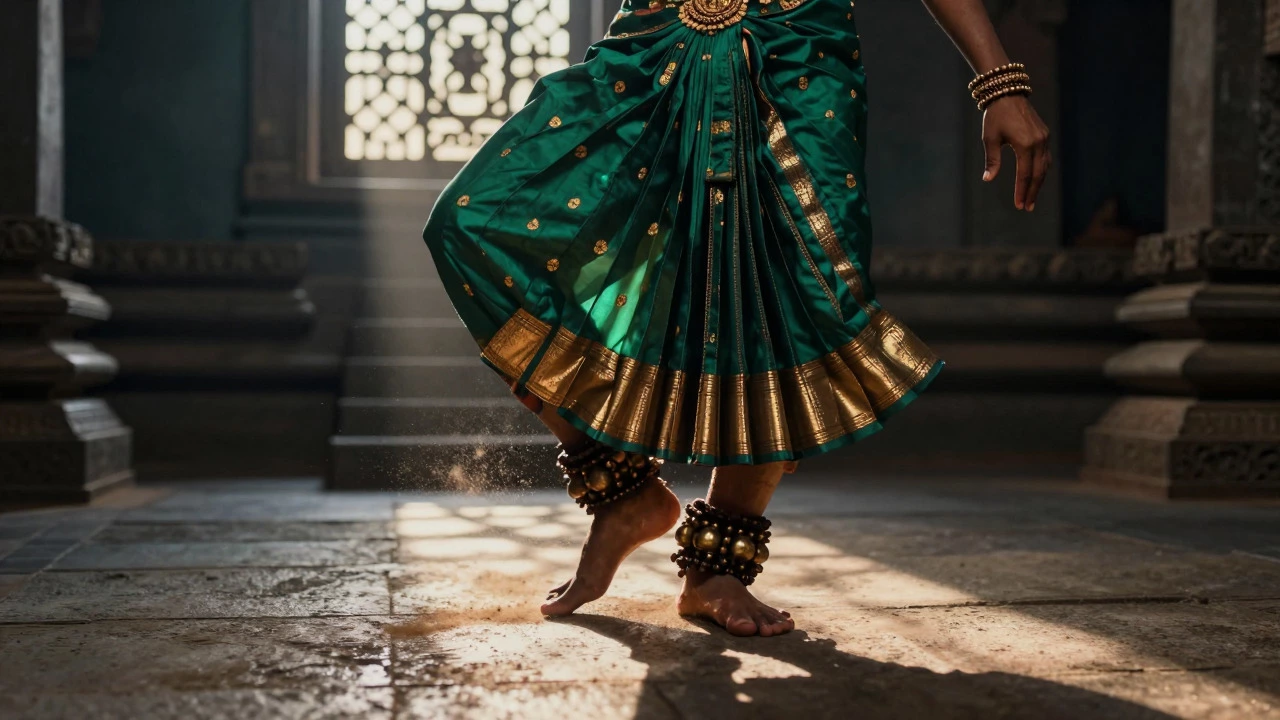
Bharatanatyam
Classical temple dance characterized by precise footwork and geometric formations.
Key Festival
Pongal
A four-day harvest festival expressing gratitude to nature and cattle.
Culinary Focus
Southern cuisine centers on rice and lentils with tamarind and curry leaves.
Traveler's Insight
The Tamil language carries a strong sense of pride and historical continuity, influencing everything from classical dance to daily etiquette.
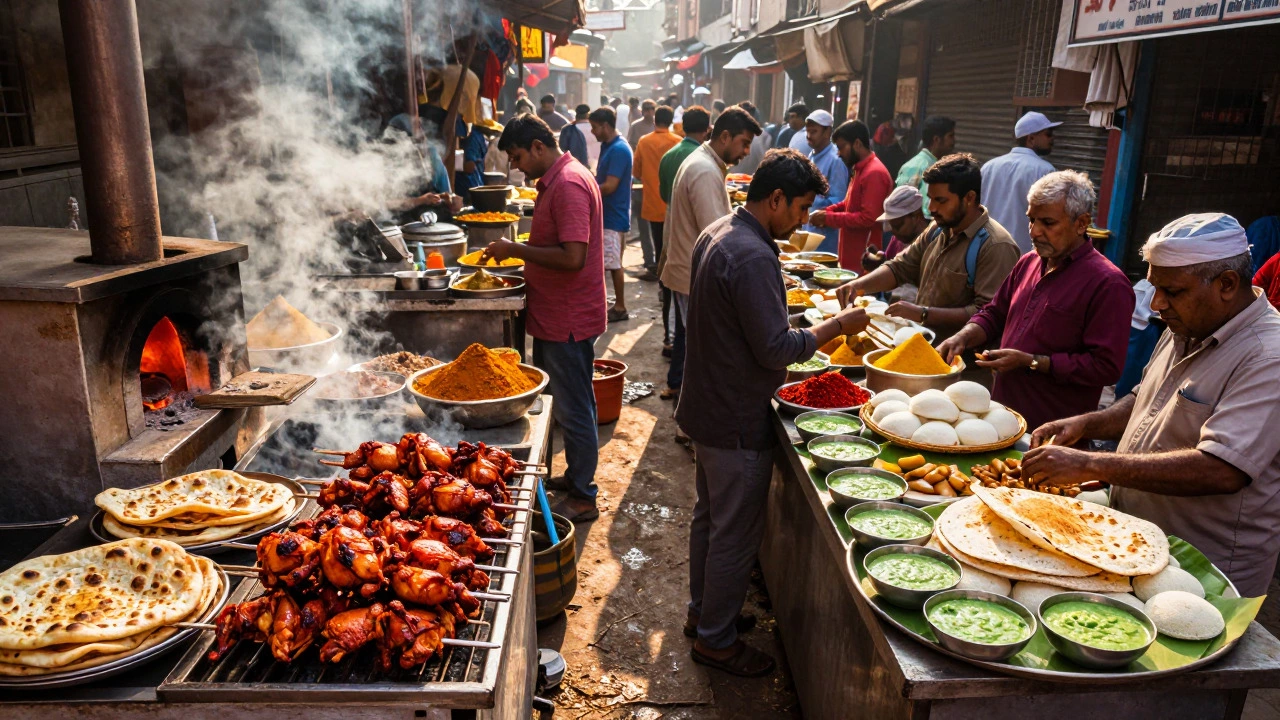
Walk into a restaurant in Delhi and you might be served spicy North Indian cuisine heavy on tandoori spices. Fly south to Chennai, and the menu shifts to rice-based meals with coconut chutney and milder flavors. This isn't just a difference in taste; it's a snapshot of how deeply region defines identity in India. If you are asking "what culture is mostly in India?", the honest answer is: there is no single one. There are dozens, often hundreds, of distinct cultural expressions that coexist within one nation.
For travelers, this complexity can feel overwhelming. You might wonder which traditions to prioritize or how to navigate the sheer volume of heritage sites, festivals, and artistic forms. The key is understanding that Indian culture is not a monolith but a mosaic. Each state, and often each district, has its own linguistic roots, religious practices, and social norms. Recognizing this helps you plan a trip that feels authentic rather than superficial.
The Linguistic Landscape Shapes Identity
Language is the backbone of cultural identity in India. With 22 scheduled languages and hundreds of dialects, the way people speak dictates their worldview, humor, and even their relationship with food. For instance, in Tamil Nadu, the Tamil language carries a strong sense of pride and historical continuity, influencing everything from classical dance to daily etiquette. In contrast, the rapid urbanization in Maharashtra has created a vibrant blend of Marathi traditions with global influences, particularly in Mumbai.
When planning your itinerary, consider aligning your visits with specific linguistic zones. Visiting Kerala without appreciating the Malayalam-speaking community's emphasis on hospitality and Ayurvedic wellness misses half the experience. Similarly, exploring Rajasthan requires an openness to the Rajasthani dialect and the unique social hierarchies that still influence local interactions. Language barriers can be bridged by learning a few basic phrases, which often earns more respect than any amount of cash spent on souvenirs.
Festivals as Cultural Anchors
Festivals are where culture becomes visible and tangible. While Diwali is celebrated nationwide, its expression varies dramatically. In northern states like Uttar Pradesh, Diwali focuses on lighting oil lamps (diyas) and fireworks. In southern states like Karnataka, it coincides with Deepavali, which also involves elaborate rangoli designs and specific agricultural rituals. Understanding these nuances prevents cultural faux pas and allows for deeper engagement.
- Holi: Celebrated across India, but in Braj (Uttar Pradesh), it lasts longer and includes specific songs dedicated to Lord Krishna. In Bengal, it is known as Dol Jatra, featuring processions and clay pots breaking.
- Pongal/Makara Sankranti: A harvest festival primarily in Tamil Nadu and Andhra Pradesh, focusing on gratitude to nature and cattle. It is less about religious worship and more about agrarian tradition.
- Onam: Exclusive to Kerala, this ten-day festival features the Onam Sadya (a grand vegetarian feast) and snake boat races, reflecting the region's coastal and royal history.
Timing your travel around these events offers the most immersive cultural experience. However, be prepared for crowds and higher prices. Off-season visits allow for quieter, more personal interactions with locals who are eager to share their stories without the pressure of tourist expectations.
Regional Arts and Performance Traditions
India’s performing arts are codified yet fluid, rooted in ancient texts but constantly evolving. Classical dance forms are strictly associated with regions. Bharatanatyam originated in Tamil Nadu temples, characterized by precise footwork and geometric formations. Kathak, developed in North Indian courts, emphasizes storytelling through intricate spins and rhythmic foot patterns. Watching a Kathak performance in Lucknow feels different from seeing Bharatanatyam in Madurai, not just because of the movements, but because of the audience’s reaction and the accompanying music.
Beyond classical forms, folk arts tell the story of everyday life. Puppetry in Gujarat (Gujarati puppetry) uses colorful strings to narrate myths and social critiques. In West Bengal, Rabindra Sangeet, composed by Nobel laureate Rabindranath Tagore, blends poetry with music, creating a distinct emotional landscape. These art forms are not just entertainment; they are repositories of history and philosophy. Supporting them by attending live performances directly contributes to their preservation.
Food as a Cultural Marker
Food is perhaps the most accessible entry point into Indian culture. But "Indian food" is a misnomer for travelers. The north-south divide is stark. Northern cuisine relies heavily on wheat (roti, naan) and dairy (ghee, paneer). Southern cuisine centers on rice and lentils, with tamarind and curry leaves providing distinctive tangy and aromatic notes. Coastal states like Goa and Odisha introduce seafood as a primary protein, reflecting their maritime geography.
In Goa, Portuguese colonial history is evident in dishes like vindaloo and xacuti, blending indigenous spices with European techniques. This culinary fusion is a direct result of centuries of cultural exchange. When dining out, ask locals for recommendations. They will guide you to places that reflect true regional character, avoiding the generic "tourist traps" that serve watered-down versions of authentic dishes.
Religious Pluralism and Daily Life
India is often described as a land of religions, but in practice, religion permeates every aspect of daily life. Hinduism dominates demographically, but Islam, Christianity, Sikhism, Buddhism, Jainism, and Zoroastrianism all have significant footholds. This pluralism creates a unique social fabric where festivals are shared, and dietary restrictions vary by household rather than just by faith.
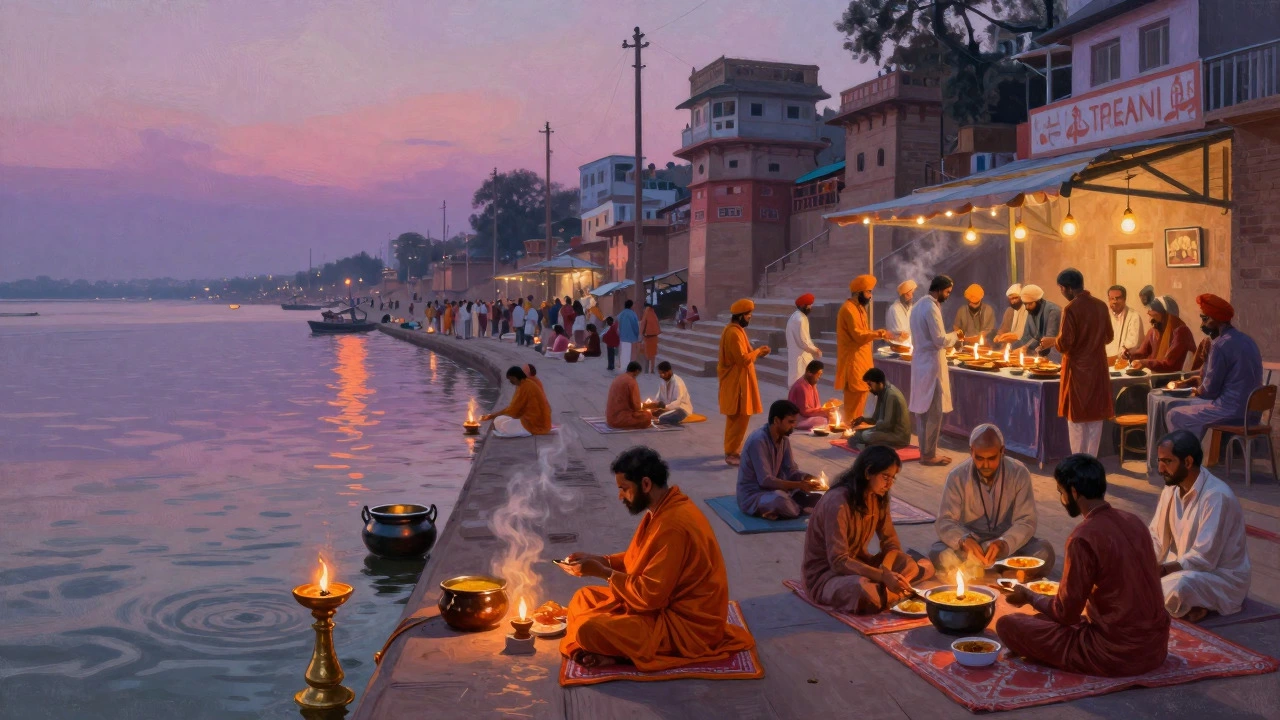
For example, in Punjab, the Sikh tradition of Langar (community kitchen) encourages free meals for all, regardless of status. In Varanasi, the confluence of Hindu rituals, Muslim call to prayer, and Buddhist meditation spots creates a spiritual atmosphere that is intense yet harmonious. Respecting these spaces means dressing modestly, removing shoes when required, and observing silence during prayer times. This respect opens doors to experiences that remain closed to outsiders.
Navigating Cultural Etiquette
Understanding unspoken rules is crucial for smooth interactions. Greetings vary by region. In the south, a namaste with folded hands is standard. In the north, a handshake is common among men, while women may prefer a nod. Eye contact is important but should not be prolonged in formal settings. Touching someone’s head is considered disrespectful in many communities, as it is seen as the seat of the soul.
Also, be mindful of time perception. Punctuality is valued in business contexts, but social gatherings often start late. Flexibility is appreciated. Learning a few words in the local language goes a long way. Even a simple "Shukriya" (thank you) or "Namaste" signals respect and effort. These small gestures transform a transactional interaction into a human connection.
Practical Tips for Cultural Immersion
- Stay Local: Choose homestays or guesthouses run by families over large hotel chains. This provides insight into domestic routines and family dynamics.
- Learn Basics: Spend 10 minutes a day learning greetings and polite phrases in the local language. Apps like Duolingo can help, but interacting with natives is better.
- Attend Workshops: Many cities offer short courses in cooking, dance, or craft. These provide hands-on experience and direct access to artisans.
- Respect Sacred Spaces: Always check if photography is allowed in temples or mosques. Carry a shawl to cover shoulders and knees if needed.
- Be Curious, Not Judgmental: Practices that seem strange to you may hold deep meaning. Ask questions respectfully, and accept "yes" or "no" without debate.
Cultural tourism in India is not about checking off landmarks; it’s about engaging with living traditions. By approaching each region with curiosity and respect, you’ll find that the question "what culture is mostly in India?" transforms into a richer inquiry: "Which part of India resonates with me?" The answer lies in the details-the flavor of the spice, the rhythm of the dance, the warmth of the greeting.
Is Indian culture uniform across the country?
No, Indian culture is highly diverse. Differences in language, food, dress, and festivals vary significantly between states and even districts. The north, south, east, and west each have distinct cultural identities shaped by history, geography, and religion.
What is the most popular form of Indian dance?
There are eight recognized classical dance forms, including Bharatanatyam, Kathak, and Kathakali. Popularity varies by region. Bharatanatyam is prominent in Tamil Nadu, while Kathak is widely performed in North India. Folk dances are also extremely popular in rural areas.
How should I dress when visiting temples in India?
Modest attire is recommended. Cover your shoulders and knees. Women may need to remove footwear and jewelry in some temples. Carrying a light shawl is useful for covering up quickly. Check specific temple rules before entering, as some require traditional clothing like dhotis or sarees.
Which region is best for first-time cultural tourists?
The Golden Triangle (Delhi, Agra, Jaipur) is a good starting point due to infrastructure and English proficiency. However, for deeper immersion, Kerala or Rajasthan offer rich cultural experiences with manageable language barriers for tourists. Choose based on your interest in food, architecture, or arts.
Do I need to learn Hindi to travel in India?
Not necessarily. English is widely spoken in tourist areas and cities. However, learning basic phrases in the local language (e.g., Tamil, Bengali, Marathi) greatly enhances interactions and shows respect. It helps in navigating rural areas where English knowledge is limited.