Honeymoon Experience Simulator
Trip Configuration
Your Predicted Journey
Configure your trip above and click simulate to see what to expect during each phase of your honeymoon.
Pop culture tells us honeymoons are all about white sand, endless champagne, and couples who never stop smiling for photos. But if you’ve ever tried to plan one, you know the reality is messier. You’re tired from the wedding. You might be broke. And suddenly, you have to figure out how two different people spend 24/7 together in a new country without driving each other crazy.
So, what actually happens on a honeymoon? It’s not just sex and sunsets. It’s a crash course in partnership under pressure. It’s learning who your spouse is when they’re jet-lagged, hungry, or lost in a foreign city. It’s the shift from being "you" and "me" to being "us" in a real-world setting.
For many couples, this is the first time they’ve traveled together as equals. No parents packing the bags, no friends dictating the itinerary. Just you two. If you’re looking for inspiration on where to go, browsing resources like this directory can sometimes offer unexpected insights into local cultures and discreet services, though most travelers stick to mainstream romantic hubs. Regardless of destination, the core experience remains the same: it’s about connection, not just location.
The Pre-Trip Reality Check
Before you even pack a toothbrush, the honeymoon begins with a negotiation. This is often the first major test of your marriage. One partner wants adventure; the other wants a spa day. One wants to eat at every Michelin-starred restaurant; the other wants street food tacos.
What happens here: You compromise. Or you don’t. The key is realizing that there is no "right" way to do a honeymoon. Some couples skip it entirely and save for a house. Others do a quick weekend getaway. There is no rulebook. The most successful pre-trip phase involves honest conversations about budget and energy levels. Did you dance until 3 AM at the reception? Do you need three days of doing absolutely nothing before you fly?
- Budget alignment: Be clear about how much you’re spending. Hidden costs (transfers, tips, expensive dinners) add up fast.
- Pace agreement: Decide if you want a packed schedule or a lazy one. Mixing both usually works best.
- Dietary checks: Who is willing to try weird bugs? Who needs gluten-free options? Know this before you book tours.
The Jet Lag and Adjustment Phase
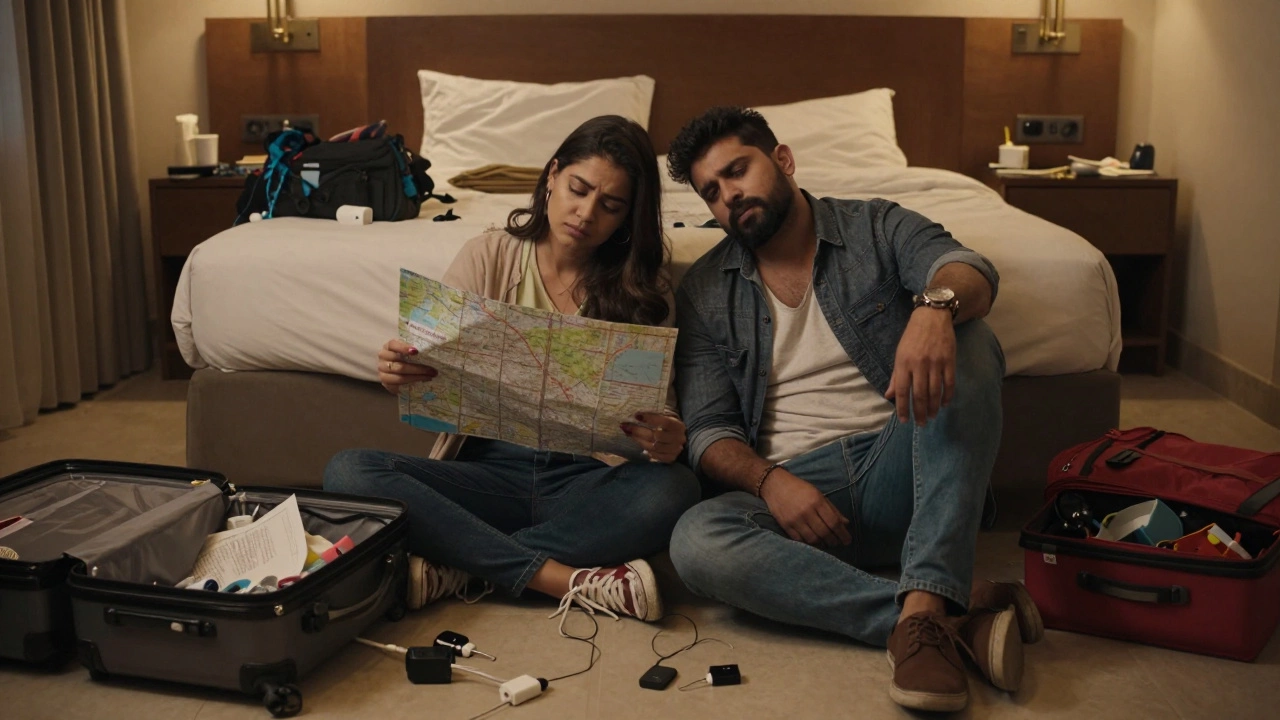
You arrive. You’re exhausted. The hotel room looks nice, but you’re too tired to appreciate it. This is Day 1. In movies, couples arrive and immediately fall into bed or run onto the beach. In real life, you might spend four hours unpacking, arguing over which plug adapter works, and ordering room service because neither of you has the energy to walk to a restaurant.
This phase is crucial. It strips away the romance and reveals the logistics. How do you handle stress? If the flight was delayed, does your partner get angry or make jokes? These small moments build the foundation of your travel dynamic. Don’t force fun on Day 1. Let yourselves be boring. Sleep. Eat simple food. Rehydrate. The romance will come back once the cortisol drops.
The Discovery of Each Other
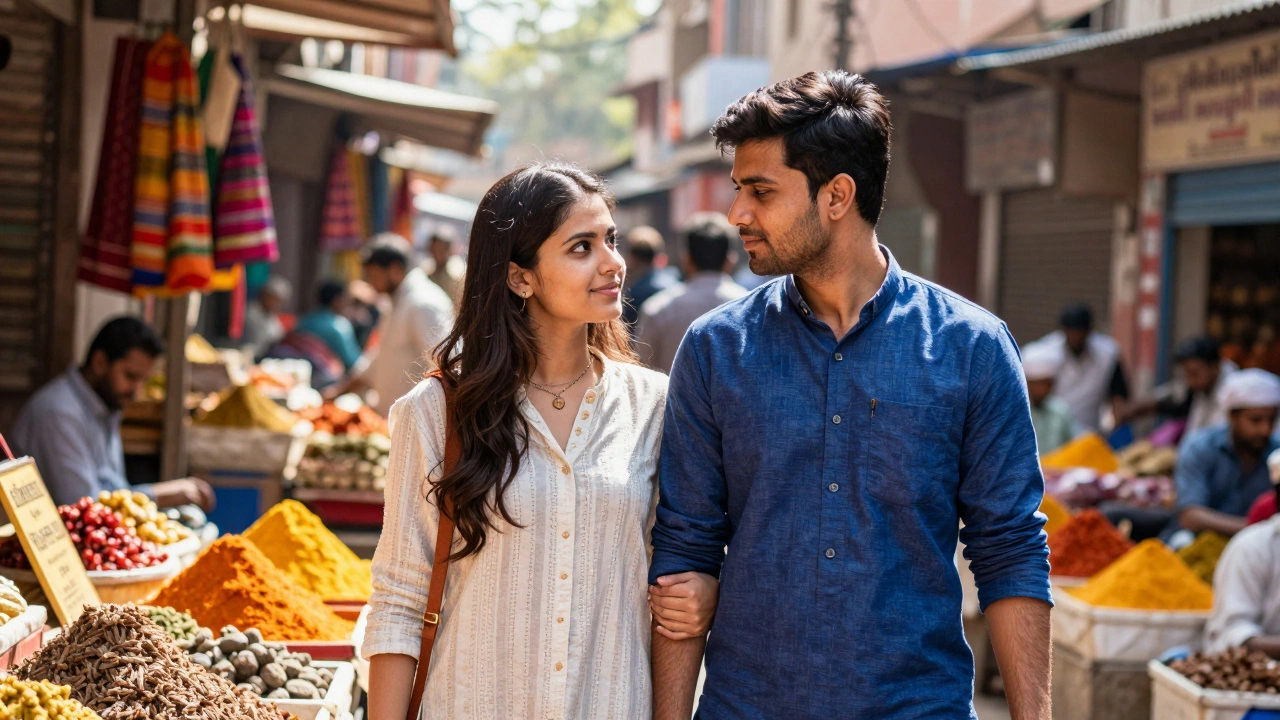
By Day 2 or 3, the novelty kicks in. You’re exploring. This is where the honeymoon truly "happens." You’re seeing the world through each other’s eyes. Maybe your partner gets excited about history museums while you’d rather shop. Maybe they take incredible photos while you struggle to frame a shot.
What happens here: You learn their quirks. You notice how they interact with locals. Are they kind to waiters? Patient with slow service? Generous with tips? These aren’t just travel habits; they’re character traits you might not see in your daily routine. Travel removes the safety net of familiarity. You see who your spouse really is when things go slightly wrong-which they will.
- Shared wonder: Seeing something beautiful together creates a shared memory bank. This strengthens emotional bonds more than any gift could.
- Conflict resolution: You’ll disagree. Maybe on directions, maybe on timing. How you argue matters more than the argument itself.
- Intimacy reset: Without phones, work emails, or household chores, physical and emotional intimacy often deepens naturally.
The Mid-Trip Slump
If your honeymoon is longer than five days, you’ll likely hit a wall around the middle. The excitement fades. The weather might turn bad. You realize you’ve been talking to the same person for 10 days straight. This is normal. It’s called "travel fatigue."
Many couples panic here. They think, "Is our marriage failing?" No. You’re just tired. The solution isn’t to push harder. It’s to pause. Book a massage. Stay in the pool. Order pizza. Give yourselves permission to be unproductive. The best honeymoons include downtime. Constant activity leads to burnout, not bonding.
The Return Home Shock
The hardest part of a honeymoon isn’t the trip-it’s coming home. You land back in your regular life. The laundry pile is waiting. The inbox is full. The silence of your empty house feels loud. This is known as "post-honeymoon blues," and it’s real.
What happens here: You grieve the end of the fantasy. To soften the blow, plan something low-key for your return. Cook a meal inspired by your trip. Look at photos together. Talk about your favorite moment. Don’t jump straight into high-stress tasks. Give yourselves a buffer day to decompress.
| Myth | Reality |
|---|---|
| It must be perfect. | Mistakes create the best stories. Embrace chaos. |
| You should always agree. | Disagreements happen. Healthy conflict builds trust. |
| Expensive = Better. | Connection matters more than cost. A cheap hostel can be magical. |
| No work allowed. | Some light checking-in is fine. Total disconnection can cause anxiety. |

Choosing the Right Destination
Your destination sets the tone. Beaches offer relaxation. Mountains offer adventure. Cities offer culture. There’s no wrong choice, but mismatched expectations lead to disappointment. If one partner hates heat, don’t go to Dubai in July. If one partner loves hiking, don’t stay only in resort bubbles.
Popular choices like Bali, Santorini, or the Maldives are great for reasons-they’re designed for couples. But consider lesser-known spots. Think about places with good infrastructure but fewer crowds. Eastern Europe, parts of Southeast Asia, or South America can offer richer experiences at lower costs. The goal isn’t to check off Instagram spots. It’s to find a place where you both feel comfortable and curious.
Practical Tips for a Smooth Trip
Preparation prevents panic. Here’s what seasoned travelers do differently:
- Book flexible flights: Changes happen. Life happens. Rigid tickets cause stress.
- Travel light: Carry-on only if possible. Luggage delays ruin moods.
- Share expenses openly: Use a joint account or app for trip costs. Avoid scorekeeping.
- Leave space: Schedule solo time. Go for a walk alone. Read a book separately. Missing each other slightly makes reunion sweeter.
- Disconnect digitally: Turn off notifications. Be present. Put phones away during meals.
How long should a honeymoon last?
There’s no fixed rule. Most couples aim for 7-10 days. This allows enough time to settle in, explore, and relax without feeling rushed. Shorter trips (3-5 days) work well for budget-conscious couples or those with limited vacation time. Longer trips (2+ weeks) suit adventurous travelers or those visiting distant locations. Choose based on your energy levels and budget, not social pressure.
Is it okay to skip the honeymoon?
Absolutely. Some couples prefer to save money for a home, car, or future goals. Others simply don’t enjoy traveling. What matters is mutual agreement. If both partners are happy skipping it, there’s no problem. You can always take a "delayed honeymoon" later when finances or schedules allow.
What if we fight on our honeymoon?
Fighting is normal. Stress, fatigue, and unfamiliar environments trigger conflicts. The key is how you resolve them. Apologize quickly. Don’t hold grudges. Remember why you’re there-to celebrate your union. Most couples look back on minor arguments as funny anecdotes years later.
Should we tell everyone where we’re going?
Not necessarily. Sharing details invites unsolicited advice, comparisons, and expectations. Keep it private unless you genuinely want input. Protect your bubble. Your honeymoon is yours, not content for social media or family gossip.
Can we bring friends or family?
Technically yes, but it defeats the purpose. A honeymoon is meant for couple-only bonding. Adding others turns it into a group vacation, changing the dynamic entirely. If you want company, plan a separate trip later. Preserve the honeymoon for intimacy and privacy.