Diwali Festival Planner & Explorer
Select any two festivals to compare their characteristics side by side.
Diwali
Most BelovedFestival of Lights
Holi
ColorfulFestival of Colors
Kumbh Mela
MassiveSpiritual Gathering
Durga Puja
ArtisticCultural Celebration
| Vibe: | |
| Duration: | |
| Travel Difficulty: | |
| Key Activity: |
| Vibe: | |
| Duration: | |
| Travel Difficulty: | |
| Key Activity: |
Click on each day to learn about its significance and activities.
Day 1: Dhanteras
Shopping DayDay 2: Naraka Chaturdashi
Choti DiwaliDay 3: Lakshmi Puja
Main DiwaliDay 4: Govardhan Puja
Krishna CelebrationDay 5: Bhai Dooj
Sibling BondSelect a Day
Click on any day from the list to see detailed information about its rituals, significance, and what travelers can expect.
Use this interactive checklist to prepare for your Diwali trip. Click items as you complete them.
Essential Travel Preparations
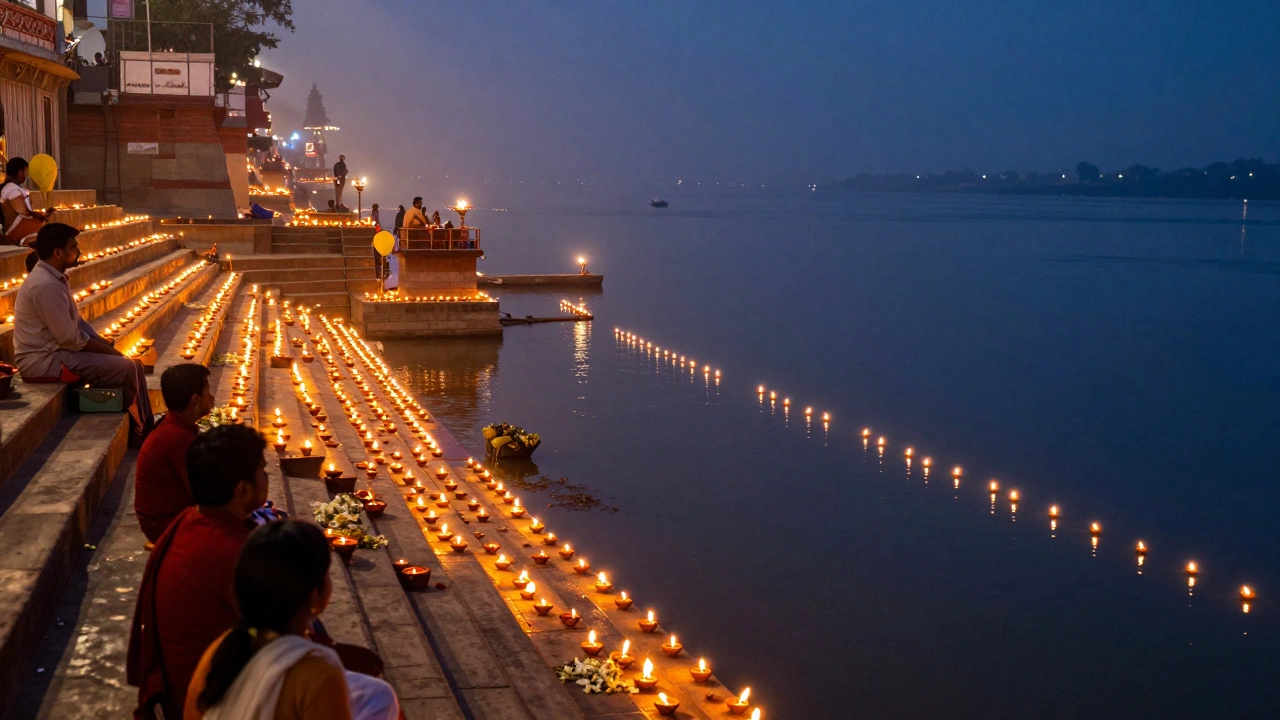
Imagine walking through the narrow, winding streets of Varanasi at dusk. The air smells of jasmine garlands and frying sweets. Thousands of tiny clay lamps flicker along the ghats, reflecting off the Ganges River like a mirror of stars. You are not just watching a festival; you are standing in the heart of Diwali, the Festival of Lights, widely considered India's most beloved and universally celebrated holiday. It is loud, it is chaotic, and it is utterly magnetic.
If you ask anyone from Mumbai to Kerala what their favorite time of year is, the answer is almost always the same. While India has a dizzying array of celebrations-from the color-throwing madness of Holi to the spiritual intensity of Kumbh Mela-Diwali holds a special place as the national heartbeat. But why does this specific festival resonate so deeply across such a diverse country? And more importantly for travelers, how do you experience it without getting lost in the crowd?
The Core Meaning Behind the Lights
To understand why Diwali is the top choice, you have to look past the fireworks. At its root, Diwali marks the victory of light over darkness, knowledge over ignorance, and good over evil. This theme is universal enough that it transcends religious boundaries. For Hindus, it often commemorates Lord Rama’s return to Ayodhya after fourteen years of exile. For Jains, it marks the nirvana of Mahavira. For Sikhs, it celebrates Bandi Chhor Divas, the release of Guru Hargobind Ji from imprisonment.
This shared symbolism creates a unique social glue. In a country with hundreds of languages and distinct regional cultures, Diwali is one event where everyone participates. When you travel during this season, you aren't just observing a ritual; you are witnessing a collective emotional reset. Families reunite, debts are cleared, new accounts are opened, and homes are scrubbed clean. The energy is palpable. It feels like the entire nation is taking a deep breath together.
Why Diwali Tops the List Over Other Major Festivals
India has other massive festivals that draw huge crowds. So, why does Diwali beat them out for the title of "most beloved"? Let's compare the giants.
| Festival | Primary Vibe | Duration | Travel Difficulty | Key Activity |
|---|---|---|---|---|
| Diwali | Reverent, Joyful, Family-oriented | 5 Days | High (Book early) | Lights, Prayers, Feasting |
| Holi | Chaotic, Playful, Energetic | 1-2 Days | Medium | Color throwing, Music |
| Kumbh Mela | Spiritual, Massive, Intense | Months | Very High (Crowds) | Ritual Bathing |
| Durga Puja | Artistic, Cultural, Regional | 10 Days | Medium | Idol Worship, Street Food |
Holi is fun, but it can be overwhelming for first-time visitors who might feel assaulted by colored powder. Kumbh Mela is awe-inspiring but logistically nightmarish, involving millions of people in temporary cities. Durga Puja is spectacular, particularly in West Bengal, but it is regionally concentrated. Diwali, however, offers a balance. It is visually stunning yet spiritually grounded. It allows for quiet moments of prayer amidst the public spectacle. For a traveler, it offers the best mix of accessibility and depth.
The Five-Day Journey: What Actually Happens
Diwali isn't just one day; it is a five-day saga. Each day has a specific purpose, and understanding this rhythm helps you plan your itinerary better. Here is how the days break down:
- Dhanteras: The festival begins with shopping. People buy gold, silver, utensils, or vehicles. It is considered auspicious to purchase new things on this day. If you are visiting markets like Chandni Chowk in Delhi, expect them to be packed.
- Naraka Chaturdashi (Choti Diwali): On this day, people take oil baths and clean their homes thoroughly. In the evening, small fireworks go off. It is a quieter prelude to the main event.
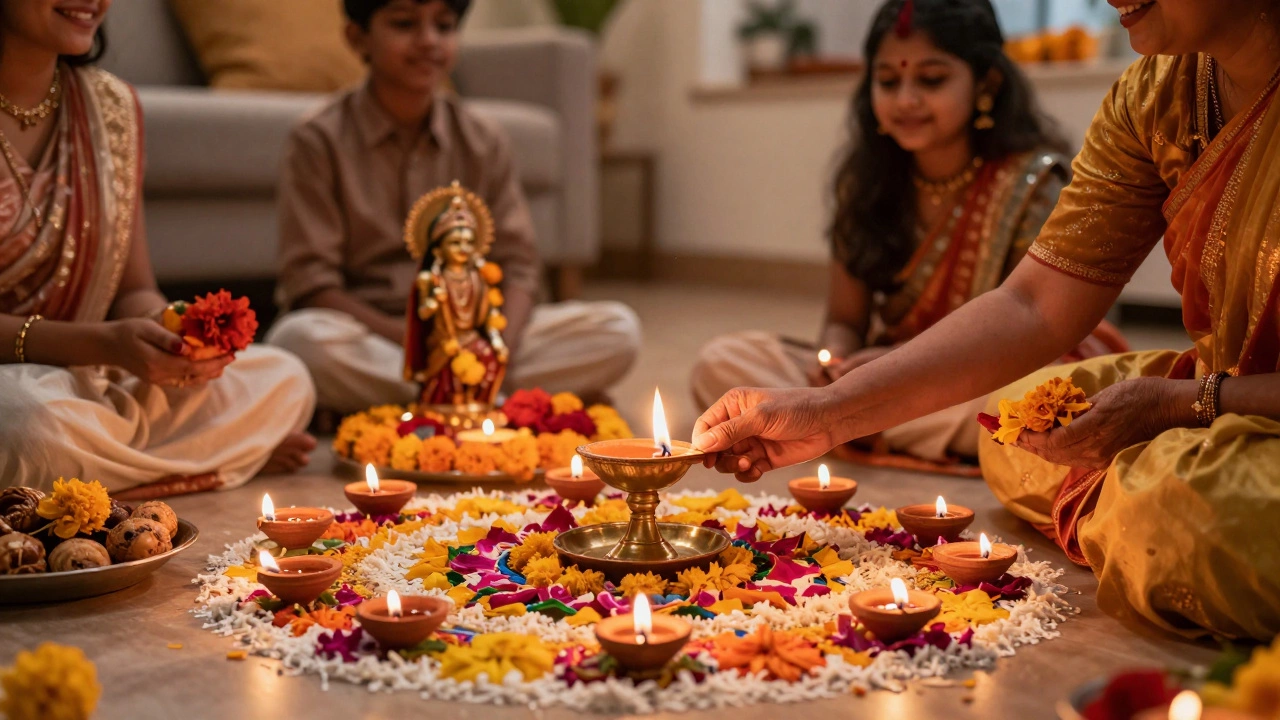
- Lakshmi Puja (Main Diwali): This is the big night. Homes are decorated with Rangoli (colorful floor art). Families gather for Lakshmi Puja, praying to the goddess of wealth. Fireworks explode everywhere, and feasts are served late into the night.
- Govardhan Puja: Celebrated mainly in North India, this day honors Lord Krishna. Communities prepare large offerings of food and carry them around a cow shrine.
- Bhai Dooj: The final day celebrates the bond between brothers and sisters. Sisters apply tilak on their brothers' foreheads and pray for their long life. It is a sweet, family-centric conclusion.
Best Places to Experience Diwali for Travelers
Since Diwali is celebrated nationwide, the experience varies significantly by location. If you are planning a trip, choose your destination based on the type of atmosphere you want.
Varanasi, Uttar Pradesh: This is arguably the most spiritual place to witness Diwali. The ancient city lights up with thousands of diyas (oil lamps) along the riverbanks. The sight of the Ganga Aarti combined with Diwali decorations is hauntingly beautiful. However, be prepared for intense heat and massive crowds. Book your hotel months in advance.
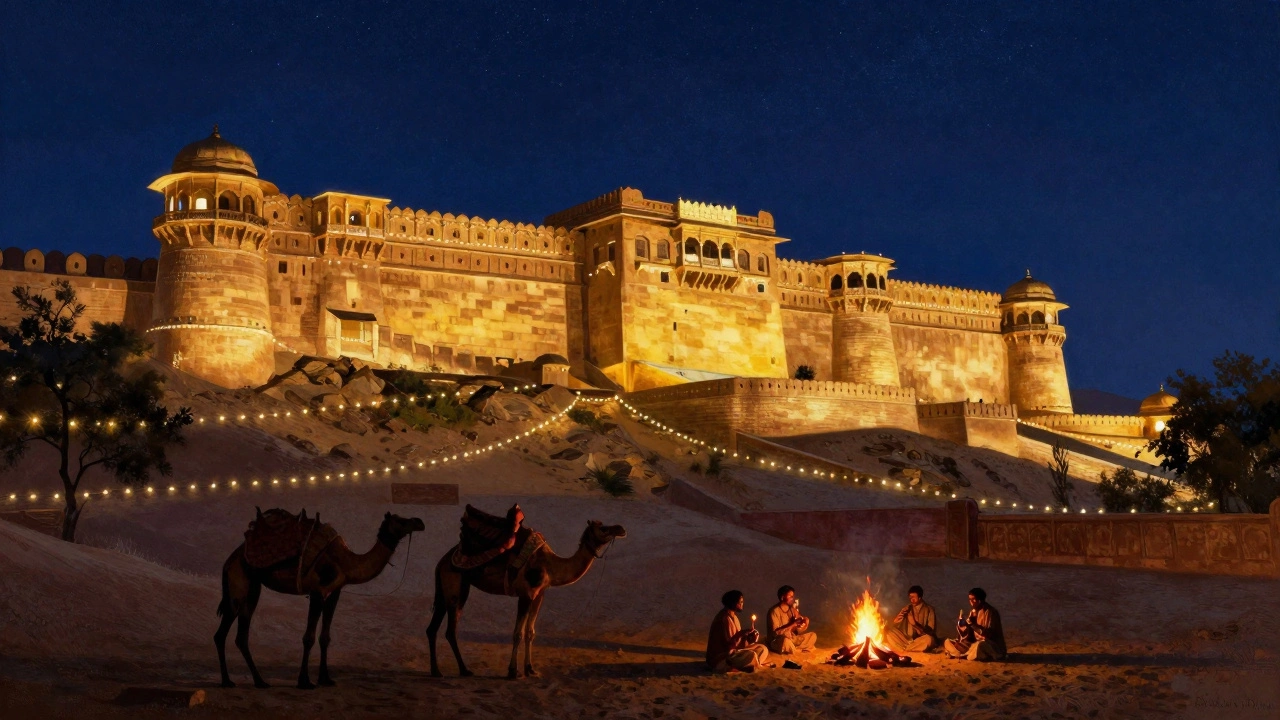
Jaisalmer, Rajasthan: For a different vibe, head to the desert. The fort of Jaisalmer glows under thousands of lights. Camel rides at sunset followed by folk music performances create a romantic and historic backdrop. It is less chaotic than Varanasi and offers a great blend of culture and comfort.
Mumbai, Maharashtra: If you want urban energy, Mumbai is unmatched. Marine Drive lights up, and the skyline becomes a canvas for fireworks. The local communities organize grand processions. It is expensive and crowded, but the scale of the celebration is impressive.
Puri, Odisha: For those interested in temple rituals, Puri offers a serene alternative. The Jagannath Temple hosts special pujas. The coastal breeze and the rhythmic sound of temple bells provide a calming counterpoint to the festivities elsewhere.
Connecting Diwali with Temple Tours in India
If you are booking a temple tour in India, timing it with Diwali adds a layer of depth that regular visits cannot match. Temples are not just places of worship; they are community hubs. During Diwali, these hubs are at their most active.
Consider the Meenakshi Amman Temple in Madurai. Normally, it is busy, but during Diwali, the architecture is draped in marigolds and silk. The priests perform elaborate abhishekams (ritual bathing of deities) with milk, turmeric, and sandalwood. Watching these rituals up close gives you insight into the theological significance of purity and devotion.
Similarly, in South India, the Brihadeeswarar Temple in Thanjavur sees special fire ceremonies. The interplay of shadow and flame against the stone carvings creates a visual narrative that textbooks cannot convey. For travelers, joining a guided temple tour during this period means having an expert explain the symbolism behind each lamp, each offering, and each chant. It transforms a sightseeing trip into a learning experience.
Practical Tips for Visiting India During Diwali
Traveling during peak festival season requires preparation. Here is what you need to know to avoid common pitfalls.
- Book Everything Early: Hotels, trains, and flights fill up fast. Prices can double or triple. Aim to book at least three to four months in advance.
- Air Quality Concerns: Fireworks contribute to severe smog in Northern India, especially in Delhi and surrounding areas. If you have respiratory issues, consider Southern India destinations like Kerala or Tamil Nadu, where fireworks regulations are stricter and air quality remains better.
- Dress Modestly: Even though it is a festive occasion, temples require modest dress. Cover your shoulders and knees. Many temples provide shawls if you forget yours, but it is respectful to come prepared.
- Respect Privacy: Diwali is a family affair. Avoid intruding into private homes unless invited. Photography inside temples may be restricted during certain rituals. Always ask permission before taking photos of people.
- Try the Sweets: You cannot skip the food. Gulab jamun, jalebi, and laddoos are staples. They are incredibly sweet, so eat them in moderation. Pair them with strong chai to balance the sugar rush.
Beyond Diwali: Other Festivals Worth Noting
While Diwali takes the crown, other festivals offer unique experiences that complement a broader cultural tour.
Holi (March) is perfect for extroverts. The city of Mathura turns into a playground of colors. It is messy, loud, and unforgettable. Just protect your camera gear!
Durga Puja (September/October) in Kolkata is a street festival masquerading as a religious event. The pandals (temporary structures) are works of art, featuring intricate themes ranging from social commentary to fantasy worlds. The food stalls serve some of the best vegetarian cuisine in the country.
Kumbh Mela (every 12 years) is for the spiritually curious. It is the largest peaceful gathering of humans on Earth. Witnessing millions bathe in the sacred rivers is a humbling reminder of human faith.
Each of these festivals offers a window into the Indian soul. But Diwali remains the anchor. It is the moment when the country pauses to reflect, celebrate, and renew. For any traveler seeking to understand India beyond its monuments and beaches, experiencing Diwali is essential.
When exactly is Diwali celebrated?
Diwali dates change every year because it follows the lunar calendar. It typically falls between mid-October and mid-November. In 2026, the main Diwali day is expected to be in November. Check the Hindu calendar for exact dates as they vary slightly by region.
Is it safe to travel to India during Diwali?
Yes, it is generally safe. However, pickpocketing can increase in crowded areas. Be cautious with fireworks, as stray crackers can cause burns. Also, traffic congestion will be severe, so allow extra time for travel between locations.
Can non-Hindus participate in Diwali celebrations?
Absolutely. Indians are welcoming to outsiders. You can join public prayers, light lamps, and enjoy the feasts. Respect the rituals, follow the lead of locals, and you will be warmly received.
What should I wear to a Diwali party?
Traditional Indian attire is appreciated but not mandatory. Men can wear kurta-pajamas, and women can wear sarees or salwar kameez. If you prefer Western clothes, opt for bright colors and ensure your shoulders and knees are covered if visiting temples.
How does Diwali impact business operations in India?
Many businesses shut down for a few days during Diwali. Banks, government offices, and even some shops may be closed. Plan your banking and shopping needs accordingly. It is also a time when many companies give bonuses and gifts to employees.