Elite Enclave Explorer
Select a city below to reveal where the ultra-rich live, what they value, and the unique vibe of their enclaves.
Mumbai
The Billionaire Belt
Delhi NCR
Power & Politics
Bangalore
Tech Titans' Retreat
Hyderabad
Royal Legacy
City Name
Vibe TagWhere They Live
The Lifestyle & Heritage
Description goes here...
Key Heritage Connection:
Heritage details...
When you think of where the wealthiest people in India live, your mind probably jumps to skyscrapers in Mumbai or sprawling mansions in Delhi. It is a common assumption that money equals modern glass towers. But if you want to understand the true geography of Indian wealth, especially through the lens of heritage sites in India, you have to look closer at history. The ultra-rich in India do not just buy new; they inherit old. They live in places where colonial architecture meets modern security, and where ancient lineage dictates social status.
The question "Where do the richest Indians live?" is not just about zip codes. It is about access. It is about which gates you can walk through without showing ID. In cities like Mumbai, Delhi, Bangalore, and Hyderabad, wealth has carved out specific enclaves. These areas are often surrounded by walls, guarded by private armies, and steeped in a history that separates them from the rest of the city. Let’s break down exactly where this power resides and why these locations matter for anyone interested in Indian culture and travel.
Mumbai: The Billionaire Belt of South Mumbai
If there is one place that defines Indian opulence, it is South Mumbai, often called "SoBo." This is not just a neighborhood; it is a fortress of wealth. The area includes iconic localities like Malabar Hill, Cumballa Hill, and Worli. Here, the air smells different-less exhaust, more jasmine and sea salt. The homes here are not apartments; they are palaces hidden behind high walls and lush greenery.
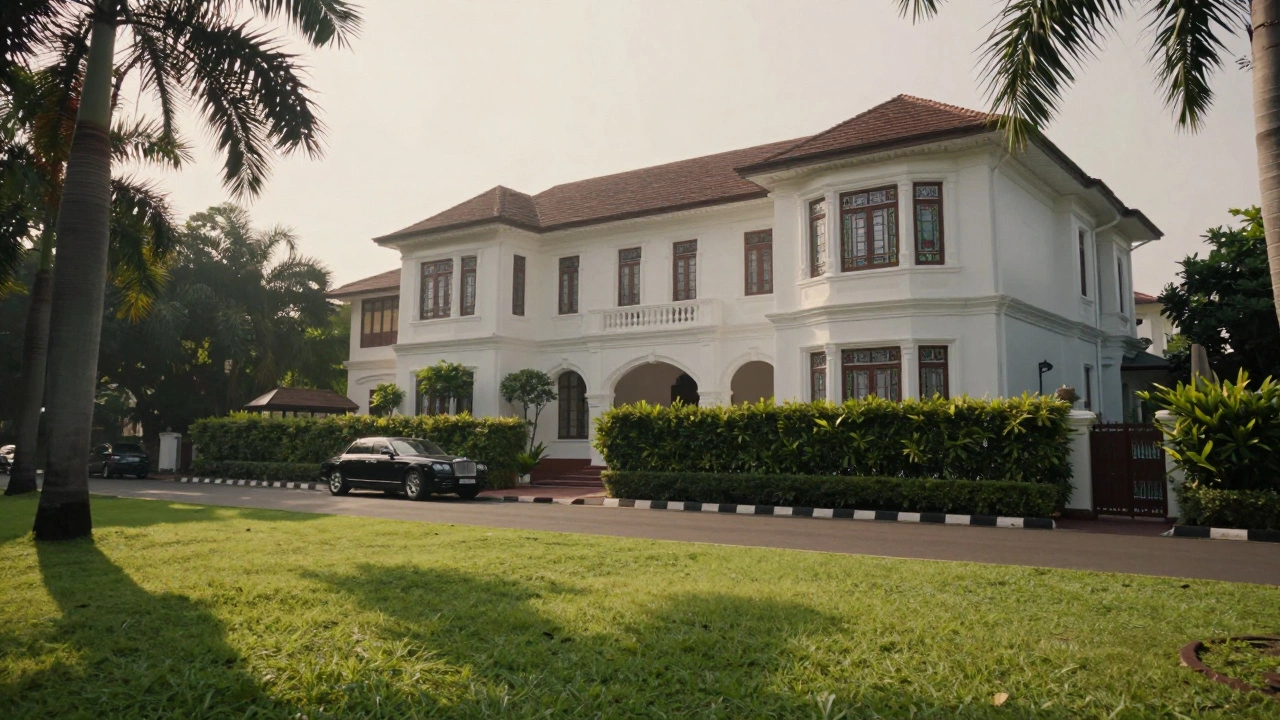
Malabar Hill is perhaps the most exclusive address in the country. Families like the Ambanis and the Tatas have historically resided here. The famous Antilia residence stands as a testament to what unlimited capital can achieve in a dense urban environment. But beyond the mega-mansions, the street-level experience is unique. You will find bungalows built during the British Raj era, featuring wide verandas, stained glass, and deep setbacks from the road. Privacy is the ultimate luxury here. Drivers park blocks away, and guests enter through unmarked gates.
- Cumballa Hill: Known for its quiet streets and proximity to the Taj Mahal Palace Hotel. Many industrialists prefer this slightly less conspicuous but equally expensive enclave.
- Worli: While technically north of the Causeway Bridge, Worli Sea Face offers some of the most expensive per-square-foot rates in Asia. High-rise luxury dominates here, catering to newer tech billionaires who prefer views over heritage.
- Colaba: Home to historic clubs and art galleries, Colaba attracts the cultural elite who value proximity to museums and fine dining.
The connection to heritage sites in India is strong in SoBo. The Bombay High Court, the Chhatrapati Shivaji Maharaj Terminus, and various Victorian Gothic buildings frame the daily lives of the rich. Living here means walking past centuries of history while driving cars worth more than most houses.
Delhi NCR: Power Politics and Old Money
In New Delhi, wealth is intertwined with politics and bureaucracy. The capital city’s elite districts are designed around wide avenues and large plots of land, a legacy of Le Corbusier’s city planning. The primary hubs for the wealthy are Lutyens’ Delhi, Vasant Vihar, and Greater Kailash (GK).
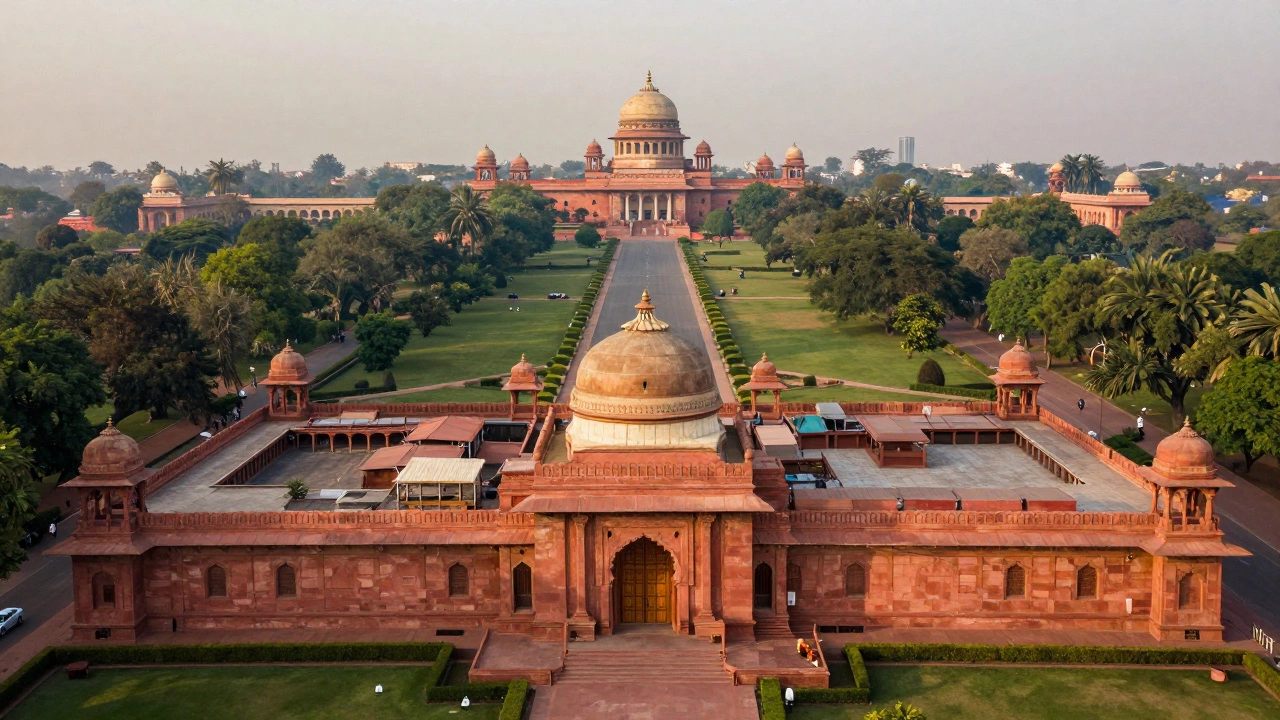
Lutyens’ Delhi is the administrative heart of India, but it also houses some of the most powerful families in the nation. Bungalows here are massive, set back from the road by acres of lawns. The architecture is distinctly colonial, with red sandstone facades and heavy wooden doors. Living here grants you proximity to the Rashtrapati Bhavan and the Parliament House, symbolizing closeness to power itself. Security is tight, and the atmosphere is formal.
For those who prefer a more cosmopolitan vibe, Vasant Vihar and Greater Kailash are the go-to destinations. GK I and GK II are leafy suburbs with excellent schools, upscale restaurants, and boutique shopping. This is where the business class and the diplomatic corps mingle. The homes here are spacious villas, often renovated to blend traditional Indian design with modern amenities.
| Feature | Mumbai (South Mumbai) | Delhi (Lutyens/GK) |
|---|---|---|
| Dominant Architecture | Colonial Bungalows & Ultra-High-Rise | Red Sandstone Villas & Leafy Suburbs |
| Social Scene | Business & Entertainment Elite | Political & Diplomatic Class |
| Key Heritage Link | Victorian Gothic Buildings | British Raj Administrative Centers |
| Lifestyle Pace | Fast-paced, Global | Stately, Established |
Bangalore: The Tech Titans' Retreat
Bangalore represents a shift in Indian wealth. Here, the money comes from technology startups and global IT firms rather than traditional industry or agriculture. The wealthy in Bangalore live in gated communities that prioritize space, greenery, and convenience. Areas like Indiranagar, Koramangala, and Whitefield are hotspots, but the true elite retreat to larger compounds in places like Sarjapur Road and Electronic City outskirts.
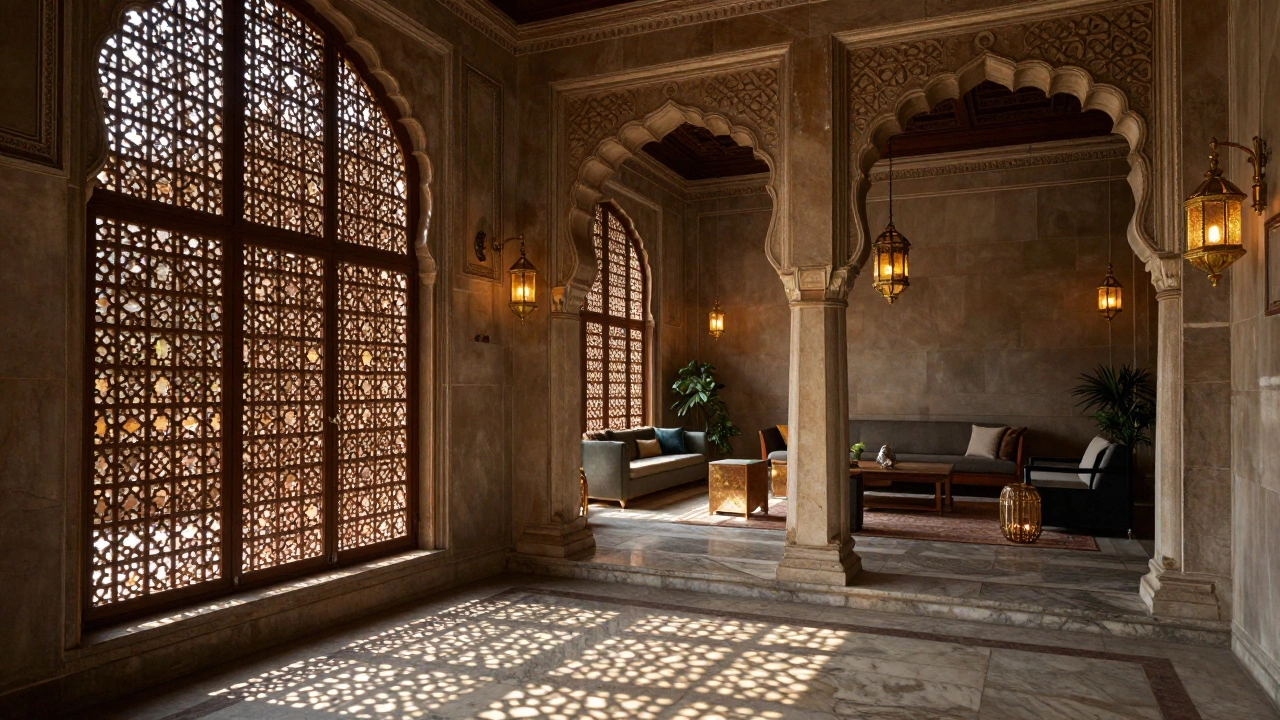
Unlike the cramped luxury of Mumbai, Bangalore offers sprawling estates. The rich here invest in smart homes, home theaters, and extensive landscaping. The culture is younger and more casual. You are as likely to see a billionaire in jeans and a t-shirt as you are in a suit. However, even in this tech hub, there is a growing appreciation for heritage. Many new developments incorporate traditional Kannada architectural elements, such as courtyards and jali screens, bridging the gap between modern tech life and cultural roots.
Hyderabad: Royal Legacy Meets Modern Wealth
Hyderabad holds a special place when discussing heritage sites in India. The city was once the seat of the Nizams, among the wealthiest rulers in human history. Today, the descendants of these royal families, along with new tech and pharma billionaires, continue to shape the city’s elite landscape. The key area is Jubilee Hills and Banjara Hills.
Jubilee Hills is lined with wide roads and luxury hotels, but tucked away are immense bungalows belonging to old aristocratic families. The architecture here reflects the Indo-Saracenic style-a blend of Islamic and Hindu influences seen in landmarks like the Charminar and Golconda Fort. Living in Hyderabad means being surrounded by visible history. The rich here often participate in preserving these structures, turning ancestral homes into museums or luxury hotels.
The Role of Heritage in Elite Living
Why does heritage matter to the rich? Because in India, status is not just about how much money you have today; it is about how long your family has been important. Owning a property near or within a heritage site signals permanence. It shows that you are part of the fabric of the nation, not just a transient player.
Many of the oldest and most respected families in India reside in heritage-listed properties. These homes are protected by law, meaning they cannot be demolished or drastically altered. This preservation creates a unique living experience. Residents wake up to the sound of temple bells or church chimes, walk past century-old trees, and dine under chandeliers installed during the British era. For travelers interested in cultural tourism in India, understanding this dynamic is crucial. It explains why certain areas feel different-more respectful, more slow-paced, and more deeply connected to the past.
Security and Exclusivity: The Hidden Cost
Living in these elite enclaves comes with a significant cost beyond the price tag: security. The richest Indians live in bubbles. In Mumbai, entire streets may be closed off to public traffic. In Delhi, neighborhoods have their own police stations and surveillance networks. This isolation protects them but also disconnects them from the everyday reality of the country.
This separation is evident in how these areas are maintained. Private waste management, dedicated water supplies, and independent power grids ensure that residents never face the infrastructure challenges that affect the rest of the city. For someone planning a visit to these areas, it is important to note that access is strictly controlled. You cannot simply wander into Malabar Hill or Lutyens’ Delhi expecting to see the lifestyle firsthand. Most interactions happen through invited events, high-end hotels, or curated tours.
Traveling Through the Eyes of the Elite
If you are a traveler looking to experience the world of India’s wealthy, you don’t need to be a billionaire. You can access similar vibes through luxury hospitality. Many former heritage homes have been converted into boutique hotels. Staying in a palace hotel in Jaipur, a colonial bungalow in Ooty, or a restored haveli in Udaipur allows you to step into the shoes of the elite.
These accommodations offer a glimpse into the architecture, service standards, and aesthetic preferences of the upper class. They provide a safe and comfortable way to engage with heritage sites in India without intruding on private residences. It is a form of immersive travel that respects boundaries while satisfying curiosity.
Which city has the highest concentration of billionaires in India?
Mumbai consistently ranks as the city with the highest number of billionaires and ultra-high-net-worth individuals. This is due to its status as the financial capital of India, hosting major stock exchanges, corporate headquarters, and entertainment industries.
Can tourists visit the private residences of the rich in South Mumbai?
No, private residences in areas like Malabar Hill and Cumballa Hill are strictly off-limits to tourists. These areas are heavily secured residential zones. However, visitors can explore nearby public heritage sites, beaches, and historic churches in the broader South Mumbai region.
What makes Lutyens' Delhi so exclusive?
Lutyens' Delhi is exclusive because of its historical significance as the center of British colonial administration and now the Indian government. Properties here are large, heritage-protected bungalows with limited availability, making them highly sought after by political and business elites.
How does heritage influence real estate prices in India?
Proximity to heritage sites and possession of heritage-listed properties significantly increases real estate value. Buyers pay a premium for the prestige, architectural uniqueness, and cultural cachet associated with these locations, viewing them as assets that appreciate in both monetary and social terms.
Are there any open heritage sites near elite neighborhoods that tourists can visit?
Yes, many elite neighborhoods are adjacent to public heritage sites. For example, in Mumbai, the Gateway of India and Elephanta Caves are accessible. In Delhi, the Red Fort and Qutub Minar are near affluent areas. In Hyderabad, the Charminar and Falaknuma Palace are central to the city's heritage tourism.