
Orient Express Cost Estimator
Plan your dream trip with realistic expectations. This tool estimates the total out-of-pocket cost for a one-way or round-trip journey on the Venice Simplon-Orient-Express (VSOE), accounting for cabin type, route, and essential extras.
Hidden Costs & Extras Estimate
Adjust these based on your personal habits. These are rarely included in the base ticket price.
You’ve seen the movies. You’ve read the Agatha Christie novels. The image of a gleaming blue-and-gold carriage cutting through the European countryside is burned into our collective imagination. But when you actually open your laptop to book that dream trip, reality hits hard: Orient Express is not just expensive; it’s one of the most exclusive ways to cross Europe by land.
So, what does it actually cost to ride the rails in style? It depends on who you ask and which version of the "Orient Express" you mean. Today, there isn’t one single train called "The Orient Express." Instead, you’re likely looking at the Venice Simplon-Orient-Express (VSOE), operated by Belmond, or other heritage-inspired luxury trains like the Arlberg Express or the Royal Scotsman. For this guide, we’ll focus primarily on the VSOE, as it’s the direct spiritual successor to the original 19th-century service and the most common answer to "the Orient Express cost."
The Short Answer: What Are We Talking About?
If you want a quick number before diving into the details, here it is: A single night on the Venice Simplon-Orient-Express typically ranges from $3,000 to $5,000 USD per person for a standard cabin. That price covers dinner, breakfast, and your berth. If you opt for a Grand Suite, you could easily spend over $10,000 per person for the same journey. And remember, these are one-way tickets. Most people book round trips or multi-leg itineraries, which doubles or triples the cost.
| Cabin Type | Price Range (USD) | Best For | Key Features |
|---|---|---|---|
| Cabin | $3,000 - $4,500 | Solo travelers or couples wanting value | Single bed, private bathroom, full dining access |
| Grand Cabin | $4,500 - $6,000 | Couples seeking more space | Larger room, separate sleeping area, premium amenities |
| Suite | $7,000 - $9,000 | Special occasions | Living area, larger bathroom, priority service |
| Grand Suite | $10,000+ | Honeymoons, VIPs | Two rooms, double bed, butler service option, panoramic views |
Notice how fast the numbers climb? This isn’t public transport. It’s a floating five-star hotel with wheels. The price tag reflects the vintage carriages, the Michelin-level food, and the staff-to-guest ratio that rivals top-tier resorts.
Why Is It So Expensive? Breaking Down the Bill
When you pay $4,000 for a night on a train, you aren’t just paying for the seat. You’re paying for a curated experience. Let’s break down where your money goes so you can decide if it’s worth it.
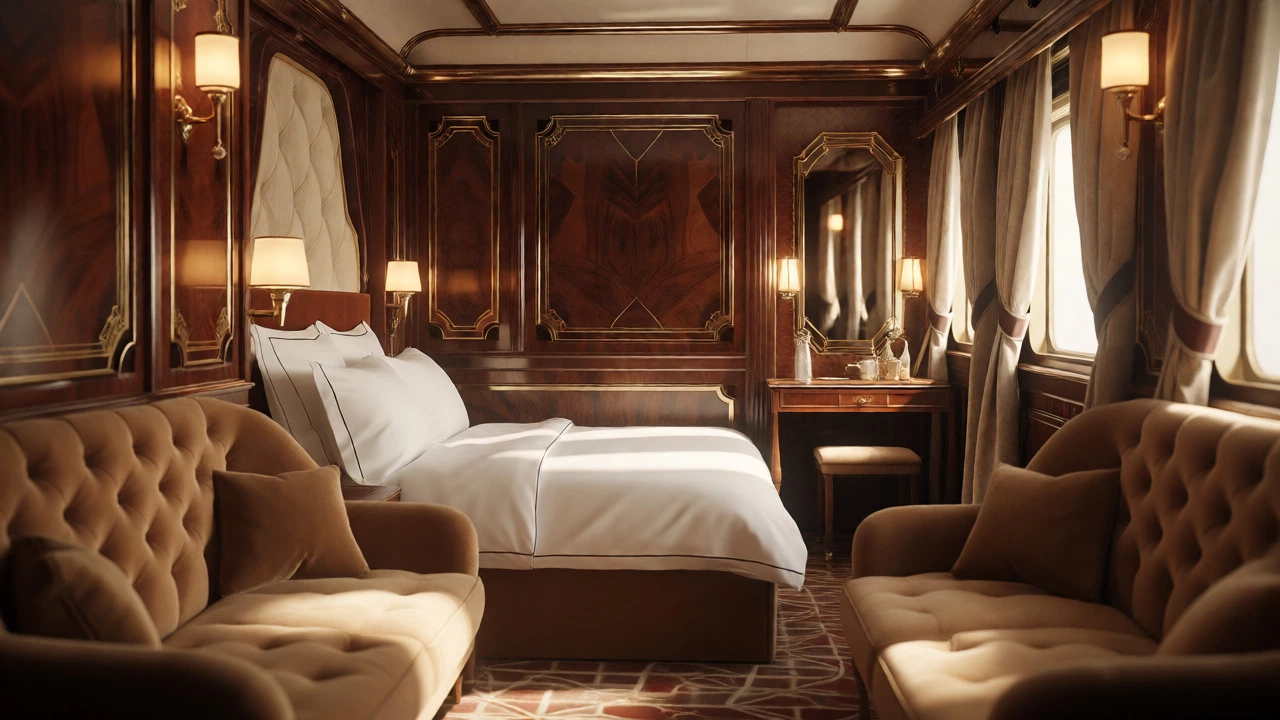
- Vintage Carriages: The VSOE uses restored 1920s and 1930s Pullman cars. Maintaining these wooden-paneled, brass-fitted interiors costs millions annually. They don’t have modern air conditioning systems hidden away; they use period-correct tech that requires specialized engineers.
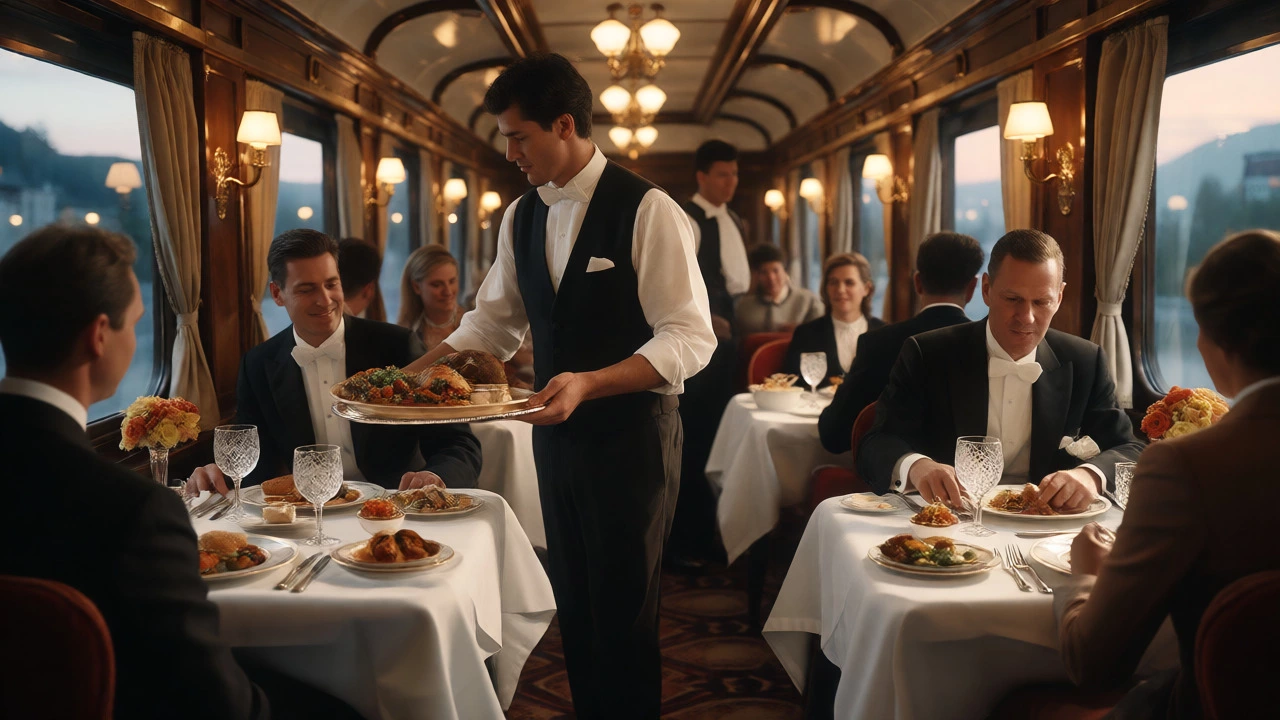
- All-Inclusive Dining: Unlike airlines or regular trains, meals are included. Dinner is a four-course affair served on silver platters. Wine pairings are often extra, but the food itself is high-end restaurant quality prepared in tiny galleys moving at 60 mph.
- Staff Ratio: There’s roughly one staff member for every two guests. Stewards anticipate your needs before you voice them. This level of personal attention drives up labor costs significantly.
- Exclusivity: Capacity is limited. A typical train has only about 180 passengers. Scarcity drives demand, especially during peak seasons like summer and Christmas.
Think of it this way: If you stayed in a comparable five-star hotel in Paris or Venice, booked fine dining dinners, and hired private transfers, you might spend $1,500-$2,000 per day. On the train, you’re doing all that while traveling overnight, saving on a hotel stay. So, is it really twice as expensive? Maybe not, if you factor in the efficiency of time and the uniqueness of the setting.
Routes and Itineraries: Where Does the Price Change?
Not all journeys are created equal. The classic London to Venice route is the most famous, but it’s also among the priciest due to high demand. Here’s how different routes impact your wallet.
London to Venice (Classic Route)
This is the flagship journey. It takes about 24 hours, including a ferry crossing from Calais to Dover (or now via Eurotunnel). Expect to pay the highest rates here because it’s the most marketed and sought-after itinerary. Prices hover around $4,000-$5,500 per person for a Cabin.
Paris to Venice
A slightly shorter and often cheaper alternative. You skip the UK leg, which cuts down on logistics and sometimes pricing. You can find deals starting around $3,200 per person if you book well in advance.
Venice to Istanbul (The Historic Route)
This is the legendary path from Agatha Christie’s novel. However, the full Venice-to-Istanbul trip no longer runs daily. It’s usually part of a longer, multi-day tour involving stops in Budapest and Bucharest. These extended trips can cost $10,000-$15,000 per person for 4-5 nights. It’s a commitment, both financially and temporally.
Day Trips and Special Events
Belmond occasionally offers day-trip experiences, such as the "Belle Époque" dinner service between London and Paris. These are cheaper, around $1,000-$1,500 per person, but you don’t sleep on the train. It’s a taste test rather than the full immersion.
Hidden Costs You Need to Budget For
The sticker price on the website is just the beginning. Luxury travel always comes with extras. Here’s what you need to add to your budget calculation.
- Gratuities: While some packages include service charges, tipping stewards is customary. Plan for $50-$100 per person per day. Given the exceptional service, many guests tip higher.
- Alcohol: Drinks outside of meal times are rarely included. A bottle of champagne in your cabin can cost $200+. Premium wines and spirits add up quickly.
- Transfers: Getting to the station in major cities isn’t free. Private car transfers from your hotel to London Victoria or Paris Gare de Lyon can cost $100-$200 each way.
- Flight Costs: Unless you live in Europe, you need to fly to the departure city. Factor in round-trip flights from your home country.
- Travel Insurance: With thousands of dollars at stake, comprehensive insurance is non-negotiable. Expect to pay 5-10% of the trip cost.
For example, if you book a $4,000 cabin, add $200 for tips, $300 for drinks, $200 for transfers, and $500 for insurance. Your real cost jumps to nearly $5,200 before you even buy a flight ticket.
Is There a Cheaper Way to Ride?
Yes, but you won’t be on the Belmond-operated VSOE. Several operators offer similar vintage-style experiences at lower price points.
Belmond’s Other Trains
Belmond operates the British Pullman and the Northern Belle. These trains use similar aesthetics and service standards but operate on shorter domestic routes in the UK. A weekend on the Northern Belle can cost $1,500-$2,500 per person, offering a fraction of the Orient Express vibe without the transcontinental price tag.
The Arlberg Express
Operating in Austria, the Arlberg Express offers a cozy, historic experience. It’s less formal than the VSOE and significantly cheaper, with tickets starting around $500-$800 for overnight journeys. It lacks the global fame but delivers charm and comfort.
Standard Sleeper Trains
If you just want the romance of waking up in another country, consider regular sleeper services like the Nightjet by ÖBB. You can get a private compartment from Vienna to Rome for under $200. It’s not luxury, but it’s functional and atmospheric.
Tips for Booking Your Orient Express Journey
Want to secure a spot without selling a kidney? Follow these strategies.
- Book Early: Cabins sell out months in advance, especially for summer and holiday periods. Aim to book 6-9 months ahead.
- Travel Off-Peak: January and February are slower months. You might find discounts of 10-15% compared to July.
- Consider Single Occupancy: Solo travelers often face a "single supplement" fee, sometimes doubling the per-person rate. Look for promotions waiving this fee.
- Check for Packages: Travel agencies like Abercrombie & Kent or Scott Dunn often bundle flights and pre/post-hotel stays, which can simplify planning and sometimes offer better value.
- Dress Code Matters: Yes, really. Men are expected to wear jackets for dinner. No shorts or sneakers. Pack accordingly to avoid feeling out of place.
Final Verdict: Is It Worth the Money?
If you’re looking for efficient transportation from London to Venice, the Orient Express is terrible value. A plane gets you there in two hours for $200. But if you’re looking for an event-a memory to last a lifetime-then the cost makes sense. You’re buying nostalgia, elegance, and a pause button on modern life. In a world of rushed airports and cramped economy seats, the Orient Express offers something rare: time to savor the journey itself.
For most people, it’s a once-in-a-lifetime splurge. For others, it’s the ultimate romantic getaway. Just go in with clear eyes about the total cost, and you’ll appreciate every mile.
How much does a ticket on the Orient Express cost?
A one-way ticket on the Venice Simplon-Orient-Express typically costs between $3,000 and $5,000 USD per person for a standard cabin. Suites and Grand Suites can range from $7,000 to over $10,000 per person. These prices generally include dinner and breakfast but exclude alcohol, gratuities, and transfers.
Does the Orient Express still run?
Yes, but not as a single continuous service from Paris to Istanbul year-round. The most famous current operation is the Venice Simplon-Orient-Express (VSOE), which runs seasonal routes primarily between London, Paris, Venice, and occasionally further east to Istanbul or Budapest. Other heritage trains also operate in Europe.
What is included in the Orient Express ticket price?
The ticket price includes your accommodation in the chosen cabin category, a four-course dinner, and a full breakfast served in your cabin or the dining car. Non-alcoholic beverages are often included with meals. Alcohol, spa treatments, and special excursions are usually extra.
Is the Orient Express worth the price?
It depends on your priorities. If you value speed and low cost, no. If you seek a unique, luxurious, and nostalgic experience with high-end service and dining, many travelers find it worth the investment. It’s considered a bucket-list experience rather than practical transport.
Can you book the Orient Express online?
Yes, you can book directly through the Belmond website. However, using a specialized luxury travel agent can sometimes provide better availability, added perks, or package deals that combine flights and hotels. Direct booking gives you more control, while agents may offer personalized service.